Your garage door goes up and down, more than a hundred times each month — and like any moving part, it needs attention now and then. Whether you’re a homeowner, property manager, or business owner, seasonal checks can help keep things running safely. In this guide, 24H Garage Doors shares practical inspection tips to help your door perform reliably, no matter what the weather.
Garage Door Inspection Tips for Every Season
Published: Apr 15, 2026 | Updated: Jul 28, 2026
Why Regular Garage Door Inspections Matter
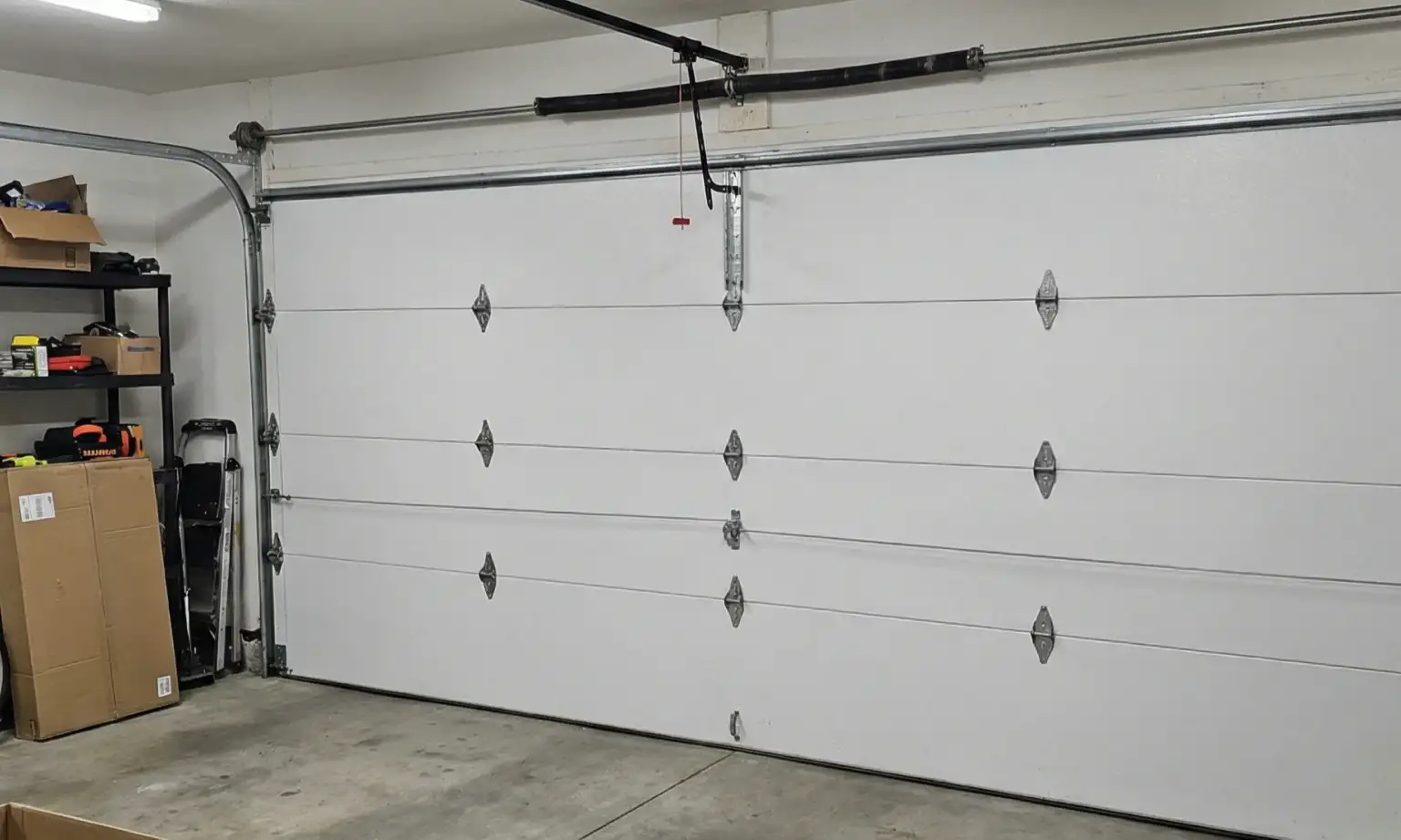
It’s easy to overlook your garage door — until it grinds, sticks, or won’t close. Like any mechanical system, regular use causes parts to shift, wear, or loosen. That’s why building a habit of checking your door a few times a year can really pay off.
A thorough look at the springs, panels, hinges, and sensors can highlight small issues before they turn into major problems. Doing a basic garage door inspection helps improve safety, reduces unexpected breakdowns, and protects your system year-round.
For more details on routine upkeep, check out these garage door maintenance tips.
A thorough look at the springs, panels, hinges, and sensors can highlight small issues before they turn into major problems. Doing a basic garage door inspection helps improve safety, reduces unexpected breakdowns, and protects your system year-round.
For more details on routine upkeep, check out these garage door maintenance tips.
Your Garage Door Inspection Checklist
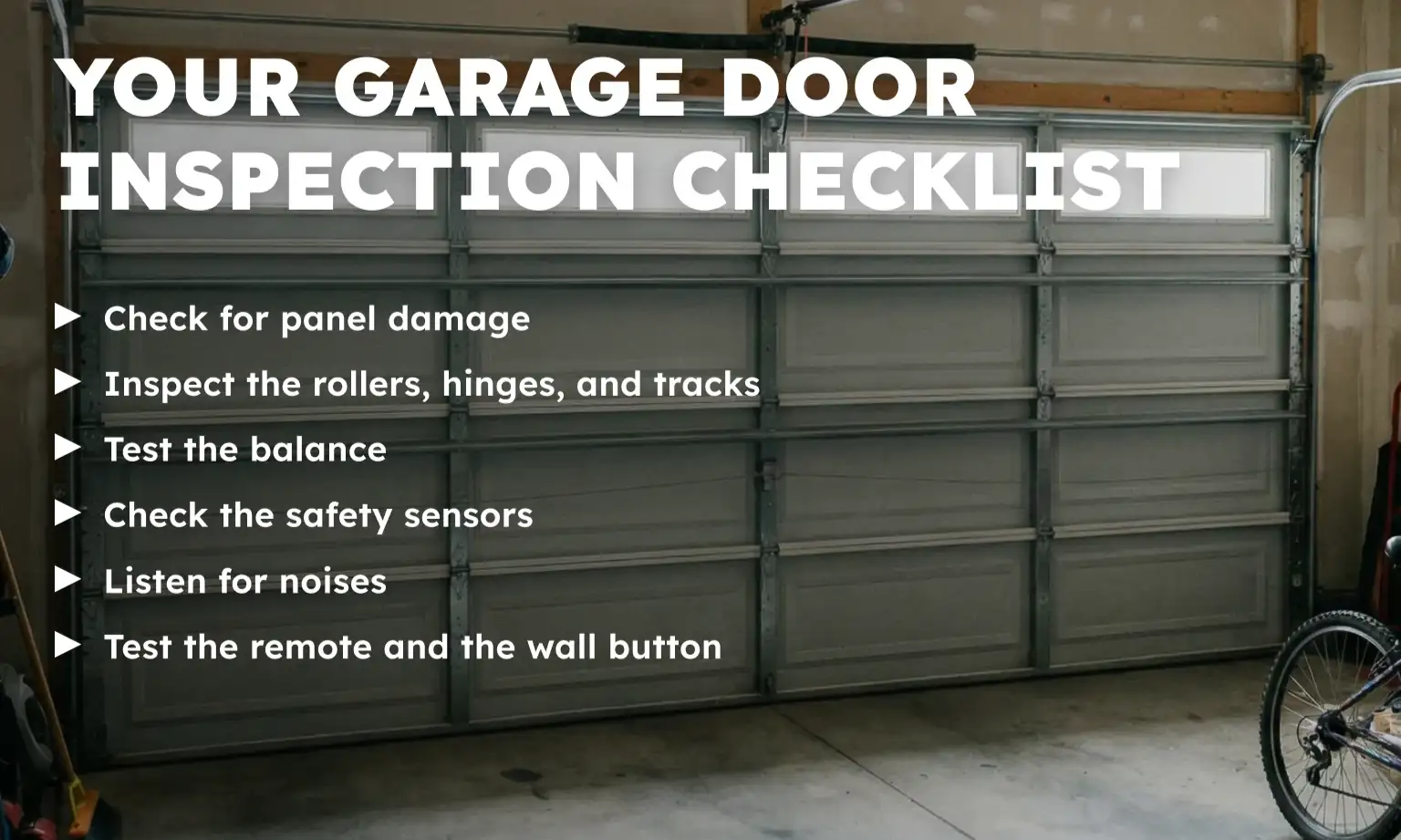
Having a clear set of garage door checks makes the process quicker and more effective. Set aside 20–30 minutes and walk through the steps below. You don’t need special tools — just your eyes, ears, and a little attention to detail.
Write down or take a quick photo of anything that looks off so you can track it or show a technician later.
Seasonal Garage Door Safety Inspection Tips
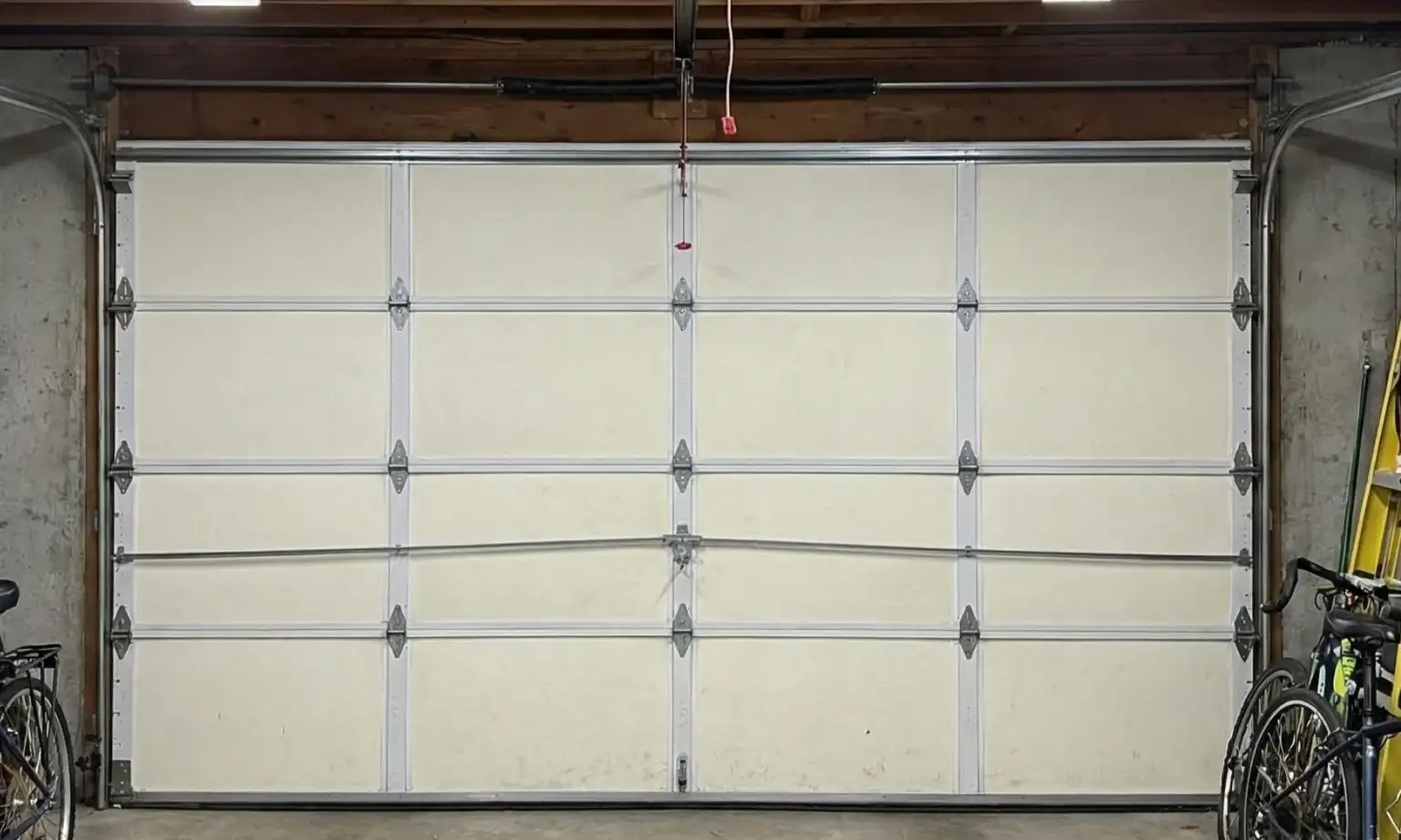
Seasonal shifts bring their own challenges — and your garage door responds to every one of them. A smart garage door safety inspection should adapt to the time of year so your system can handle weather changes without strain.
If you notice unusual movement, panel separation, or slow response from your opener, it may be time to have it professionally inspected.
Schedule a Garage Door Inspection by 24H Garage Doors
Not every issue is easy to catch — and not everyone has time to inspect their door in detail. That’s where a trusted local team makes all the difference. At 24H Garage Doors, we offer full-service garage door inspections, seasonal tune-ups, and repair options to keep your system safe and efficient.
We proudly serve homeowners, property managers, and businesses throughout Connecticut with prompt, reliable service. Whether you need a quick check or a full repair, we’ll take care of it with professionalism and care.
Ready to have a technician take a look? Contact 24H Garage Doors today to book an inspection or schedule a garage door repair when needed.
We proudly serve homeowners, property managers, and businesses throughout Connecticut with prompt, reliable service. Whether you need a quick check or a full repair, we’ll take care of it with professionalism and care.
Ready to have a technician take a look? Contact 24H Garage Doors today to book an inspection or schedule a garage door repair when needed.
Frequently Asked Questions
Why should I bother inspecting my garage door regularly?
Like any mechanical system, regular use causes parts to shift, wear, or loosen, so checking your door a few times a year can really pay off. A thorough look at the springs, panels, hinges, and sensors can highlight small issues before they turn into major problems. Doing a basic inspection helps improve safety, reduces unexpected breakdowns, and protects your system year-round.
How long does a basic garage door inspection take and do I need special tools?
You should set aside about 20 to 30 minutes to walk through the inspection steps. You don't need special tools, just your eyes, ears, and a little attention to detail. It also helps to write down or take a quick photo of anything that looks off so you can track it or show a technician later.
How can I tell if my garage door is properly balanced?
To test the balance, unplug the opener and lift the door manually. It should lift smoothly and stay halfway open without falling or drifting. If it does not, that is a sign the door's balance is off.
What could squeaking or grinding noises from my garage door mean?
Squeaks, grinding, or banging sounds while the door operates usually point to worn rollers or loose components. When inspecting, you should also watch the rollers, hinges, and tracks for rust, loose fasteners, or buildup, since these moving parts take a lot of stress. Catching these signs early helps prevent bigger problems.