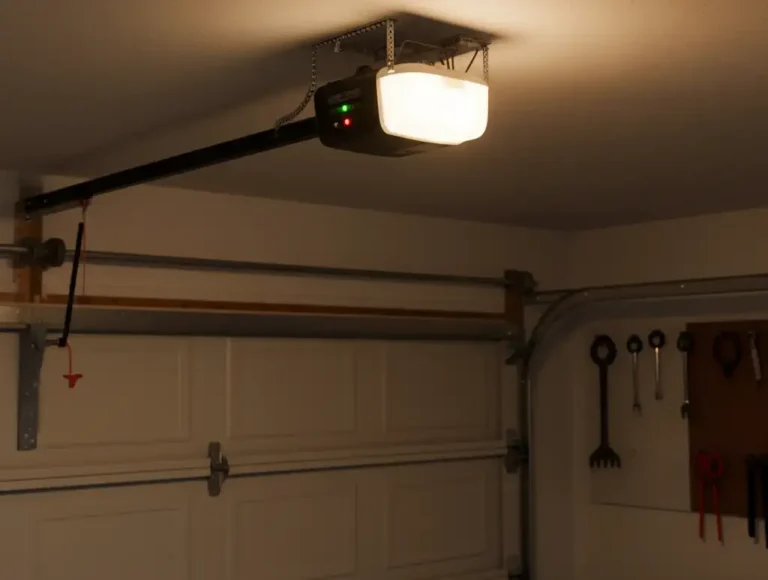
If your garage door creaks, hesitates, or drags while opening, dry or dirty tracks may be the reason. Left untreated, friction in the track can lead to uneven movement, excess strain on the opener, or even damage to the rollers over time.
This guide covers why your garage door tracks need lubrication, when and how to grease them, and what common mistakes to avoid so you can fix the problem effectively.
How to Lubricate Garage Door Tracks: Simple Steps for Smooth Performance
Published: May 22, 2025 | Updated: Jul 28, 2026
Why Garage Door Tracks Need Lubrication
The garage door track guides the rollers, helping your door move evenly as it opens and closes. When the track gets dry or dusty, friction increases and movement becomes less predictable. Over time, this can lead to uneven travel or even roller misalignment.
Learning how to grease garage door tracks properly helps reduce friction, prevent wear, and keep the door moving smoothly without putting extra strain on the rollers or opener. If you’re not sure which product to choose, this guide on what is the best lubricant for garage doors breaks down the top options for your door system.
Learning how to grease garage door tracks properly helps reduce friction, prevent wear, and keep the door moving smoothly without putting extra strain on the rollers or opener. If you’re not sure which product to choose, this guide on what is the best lubricant for garage doors breaks down the top options for your door system.
How to Lubricate Garage Door Tracks Properly
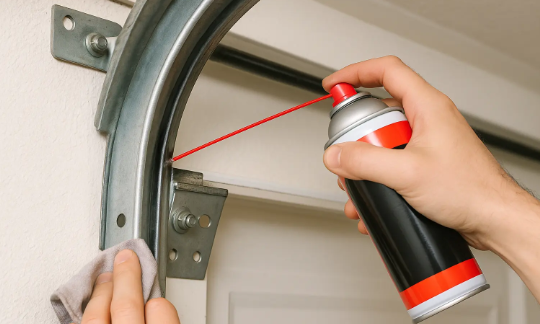
Once you’ve chosen the right product, it’s time to get started. Make sure the garage door is fully closed and the opener is disconnected from power.
Follow these simple steps:
Follow these simple steps:
Wondering how to oil garage door tracks without making a mess? Use short, controlled sprays instead of holding the nozzle down for extended periods. Aim for glide — not puddles.
What to Avoid When Lubricating Garage Door Tracks
Lubricating tracks is helpful, but a few small missteps can make things worse. Here are a few points to keep in mind:
When Lubrication Isn’t Enough
If you’ve cleaned and oiled the tracks but the door still grinds, skips, or moves unevenly, there could be a deeper issue at play. In some cases, the track may be bent, out of alignment, or obstructed in ways that lubrication can’t fix.
When that happens, it’s best to stop troubleshooting and let a technician take a look. You can learn more about your options on our bent garage door tracks service page.
When that happens, it’s best to stop troubleshooting and let a technician take a look. You can learn more about your options on our bent garage door tracks service page.
Wrapping Up
Now that you know how to lubricate garage door tracks, you can keep your system running more smoothly with just a few minutes of effort every few months. If you’ve followed the steps but still hear odd sounds or notice stiffness, the issue might go beyond lubrication. A quick professional check can catch things like misalignment, worn rollers, or early signs of track damage — before they cause more serious problems. 24H Garage Door Services is here to help with expert inspections, track repairs, and everything in between. Get in touch today and let us ensure your door operates the way it should.
Frequently Asked Questions
Why do my garage door tracks need to be lubricated?
The track guides the rollers, helping your door move evenly as it opens and closes. When the track gets dry or dusty, friction increases and movement becomes less predictable, which over time can lead to uneven travel or roller misalignment. Proper lubrication reduces friction, prevents wear, and keeps the door moving smoothly without extra strain on the rollers or opener.
How should I prep and apply lubricant to the tracks?
First make sure the door is fully closed and the opener is disconnected from power, then clean the tracks with a cloth or soft brush to wipe away dust, debris, and old lubricant, using a mild degreaser for sticky buildup. Apply the lubricant sparingly to the inner edges where the rollers make contact, then disconnect the door using the release cord and open and close it by hand a few times to distribute it evenly.
How do I avoid making a mess when oiling the tracks?
Use short, controlled sprays instead of holding the nozzle down for extended periods, aiming for glide rather than puddles. Apply the lubricant lightly to the inner edges of the track only where the rollers make contact, and avoid the center groove where the rollers actually ride, since too much oil there can cause them to slide or slip.
Are there products or spots I should avoid when lubricating tracks?
Avoid spraying the track bed, because lubricant on the bottom of the track can cause slipping, so focus on the sides only. You should also avoid household oils, motor oils, and all-purpose sprays because they attract dust and grime; a silicone-based garage door track lubricant or lithium spray is best since these resist buildup.