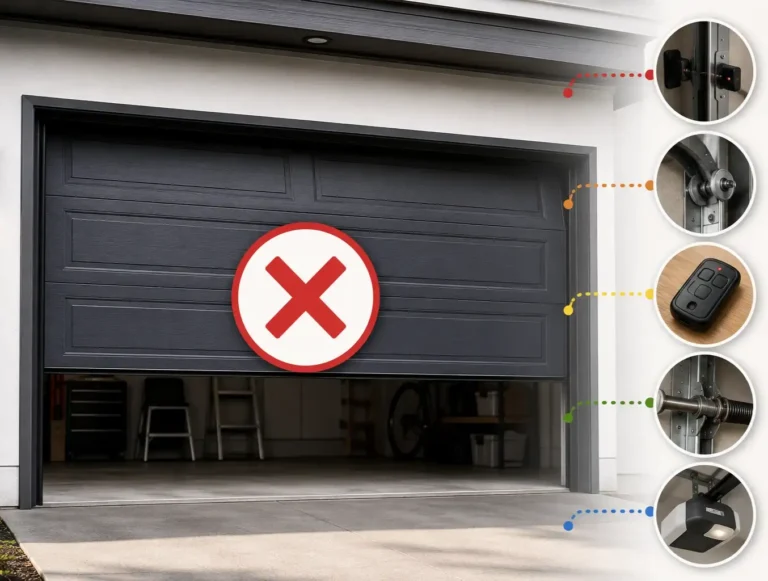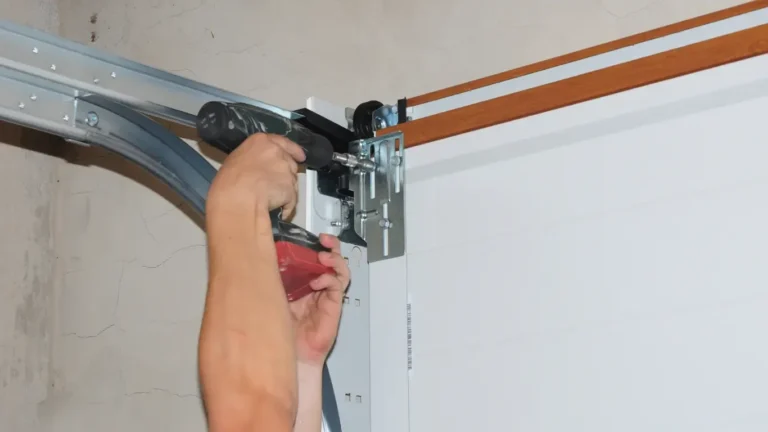
Garage doors are essential for security and convenience, but like any mechanical system, they’re prone to wear and tear. Damaged parts can impact your home’s safety, energy efficiency, and curb appeal. Common issues usually include stuck doors, cracked panels, broken cables, and more. Understanding your options is crucial for making the best decision.
One of the most common questions our technicians hear when dealing with garage door problems is: Can a damaged garage door be repaired, or is replacement the only option? This article provides answers and offers important information to help you choose the best solution for your garage.
Keep reading for more insights!
Can a Damaged Garage Door Be Repaired? Here’s What You Need to Know
Published: Jan 28, 2025 | Updated: Jul 28, 2026
The Most Common Garage Door Issues
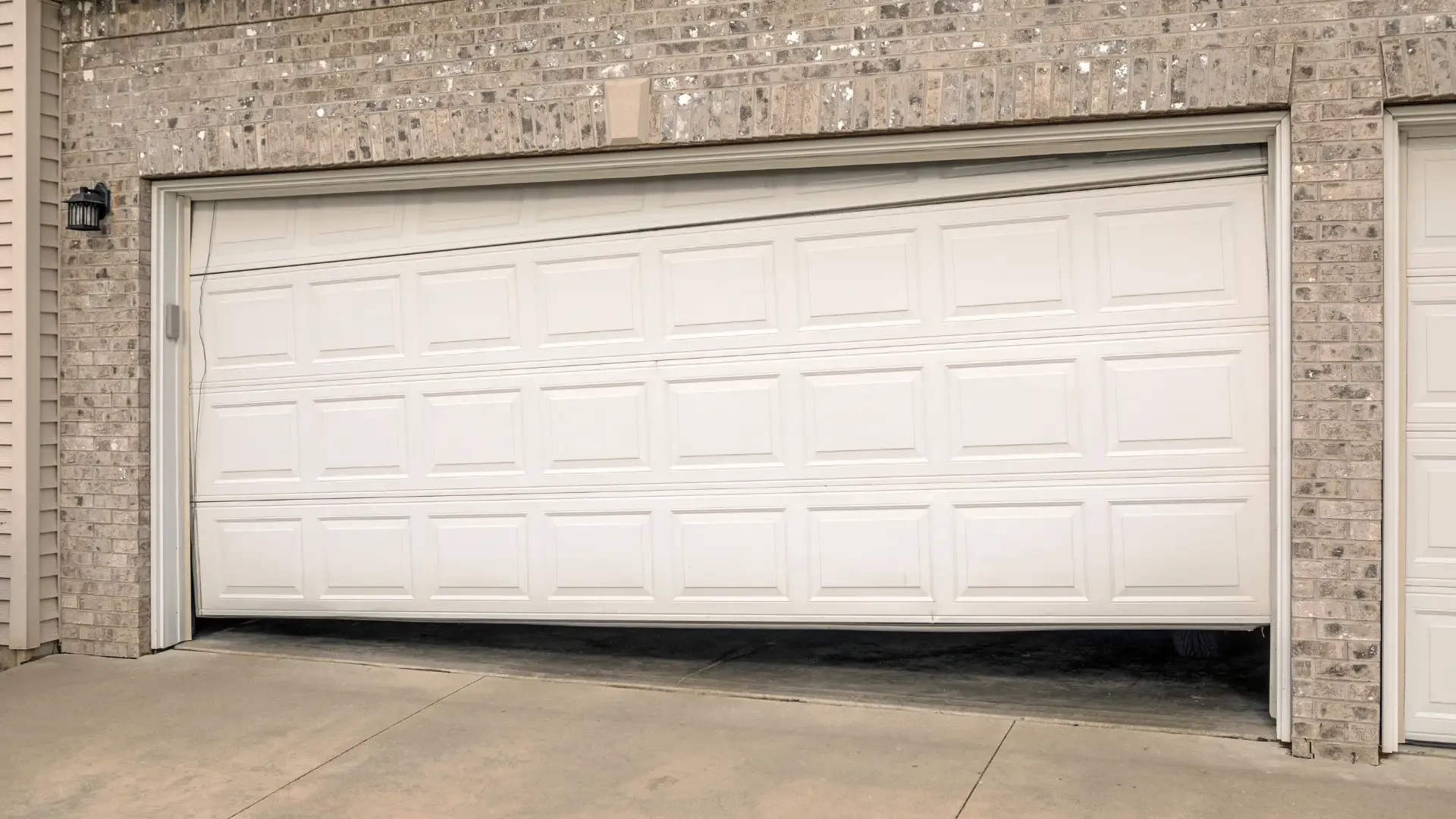
Garage doors are made up of multiple components, and over time, wear and tear can lead to malfunctions. Issues can range from minor misalignments to significant breakages. However, some problems are more common than others. Understanding these issues can help you determine the best course of action.
Here are some of the most typical garage door problems homeowners encounter:
Here are some of the most typical garage door problems homeowners encounter:
Each issue varies in complexity, but whether it’s a minor adjustment or a significant repair, a trusted garage door specialist can provide the best solution tailored to your unique situation.
Can a Damaged Garage Door Be Repaired?
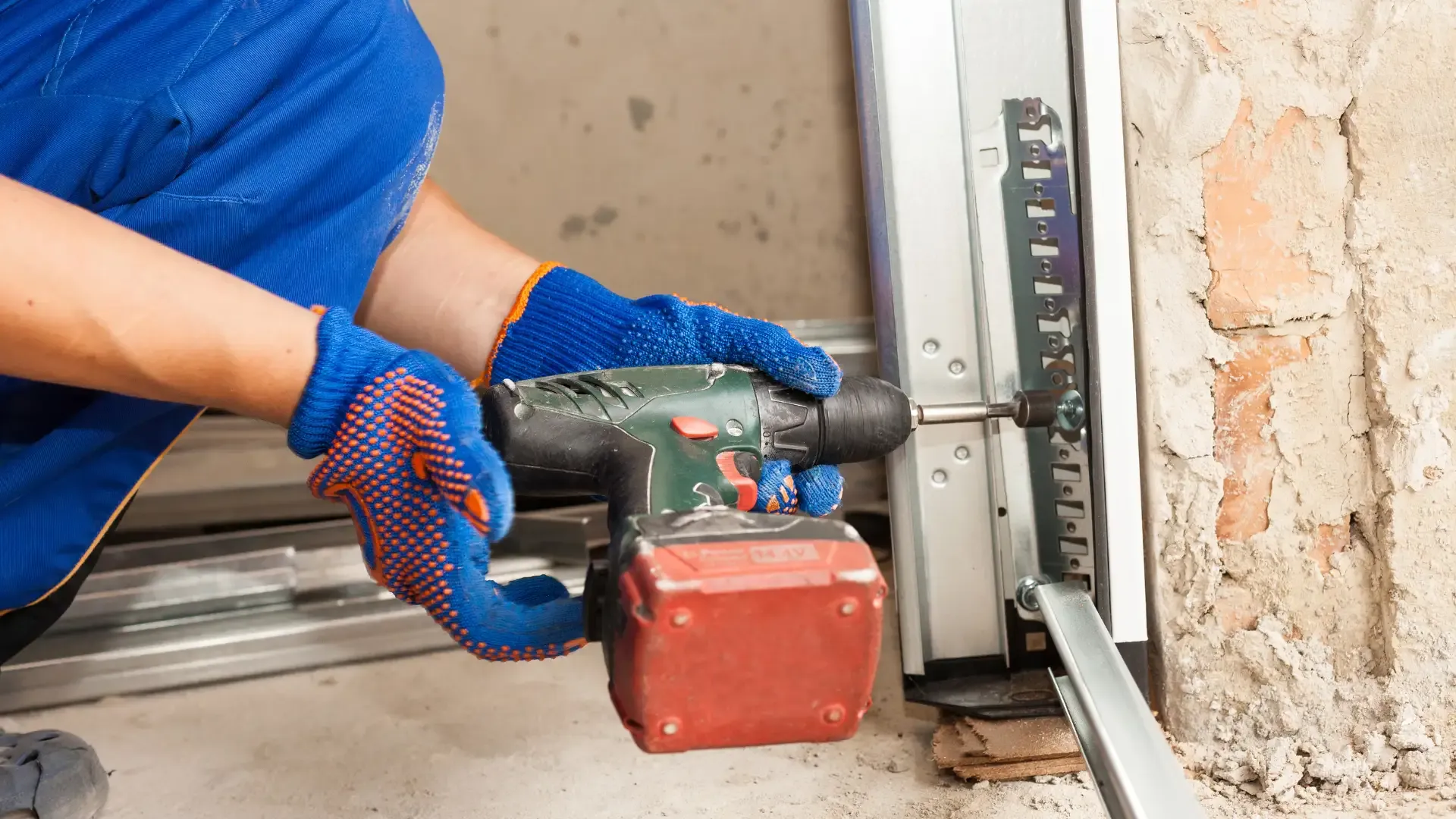
Whether a damaged garage door can be repaired largely depends on the type and extent of the problem. Minor issues, such as misaligned tracks or broken springs, are often easy to fix with the right tools and expertise.
Structural damage, like dented panels or bent frames, may require partial repairs or, in more severe cases, a full replacement.
If the damage is extensive, compromising your safety, or if the repair cost is close to 50% of the cost of a new door, replacing it might be the better option.
If you’re dealing with an issue and don’t know how to fix your damaged garage door, seeking professional help is a smart choice. A trusted garage door repair service can assess the situation and provide the best solution for your home.
If the damage is extensive, compromising your safety, or if the repair cost is close to 50% of the cost of a new door, replacing it might be the better option.
If you’re dealing with an issue and don’t know how to fix your damaged garage door, seeking professional help is a smart choice. A trusted garage door repair service can assess the situation and provide the best solution for your home.
Feasibility of DIY Repairs: Tips and Risks
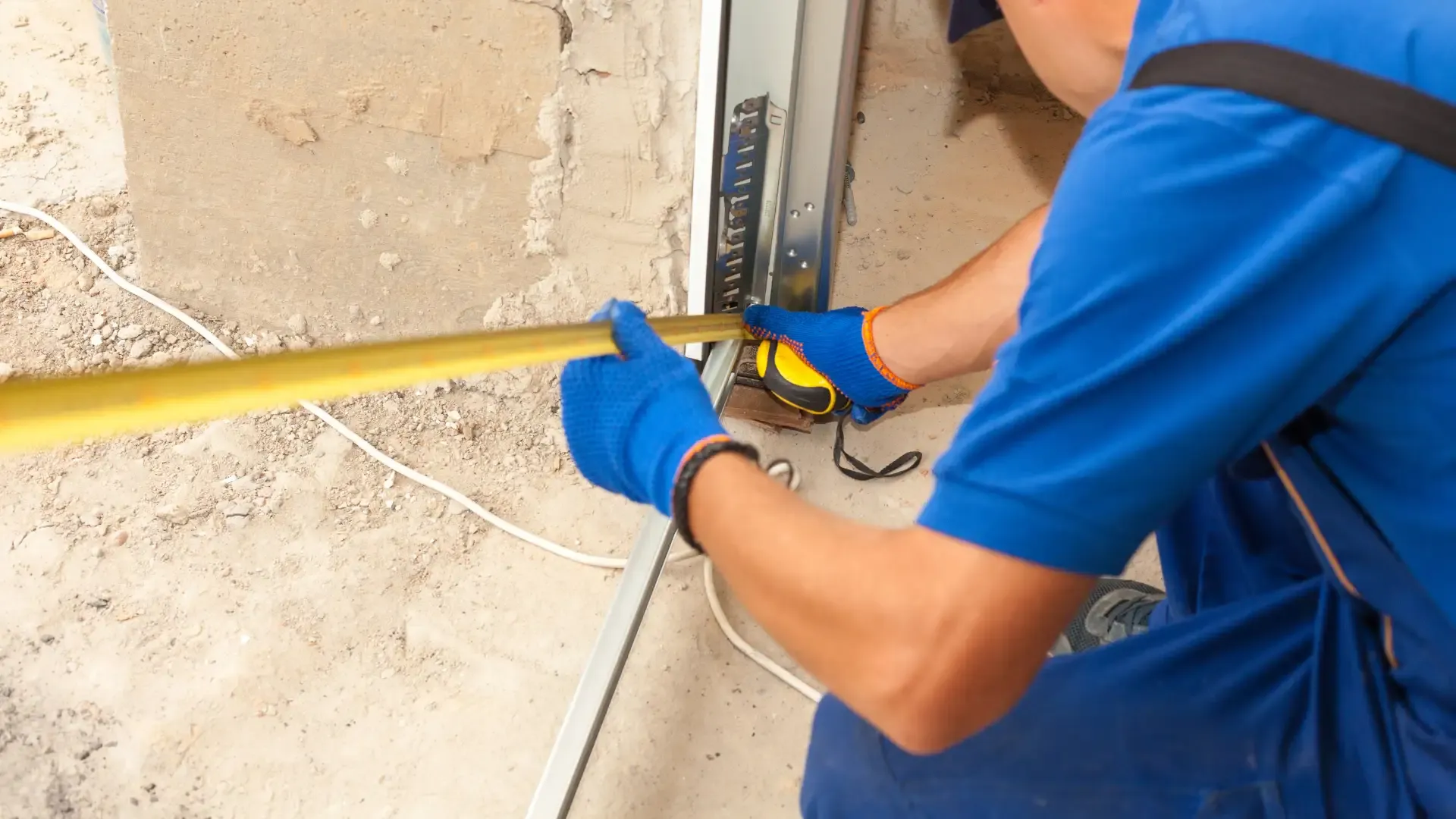
Repairing a garage door yourself can be tempting, especially if you enjoy DIY projects or want to save on repair costs. While some minor fixes might be manageable, it’s crucial to understand which tasks are safe to attempt and don’t require specialized tools or technical expertise.
For example, if your garage door squeaks or makes noise, applying lubricant to the springs, tracks, or rollers can often resolve the problem. Loose screws and bolts, which are common with regular use, can also be tightened with minimal effort. Even a malfunctioning garage door opener might just need new batteries, a simple fix that doesn’t require professional assistance.
However, not all repairs are straightforward or safe to attempt. High-tension components, including springs and cables, can be extremely dangerous to handle without proper tools and experience.
However, not all repairs are straightforward or safe to attempt. High-tension components, including springs and cables, can be extremely dangerous to handle without proper tools and experience.
For complex repairs or high-tension parts, it’s always best to contact a reliable garage door company, CT for inspection, advice, or help. Professionals have the expertise and equipment to address issues safely and effectively, ensuring your door operates smoothly and without risk.
Repairing vs. Replacing: What’s Better for Your Budget?
Another key factor for homeowners when deciding between repair and replacement is budget. Our technicians are frequently asked, “How much does it cost to repair a damaged garage door?” or “Which option is more cost-effective in the long run?”
While the total cost depends on many factors, like the type of damage and the company’s pricing policies, repairs are usually less expensive. However, constant fixes or damage that affects safety and efficiency might make replacement a smarter choice. A new garage door can also offer added benefits, like better energy efficiency, lower maintenance costs, and improved security.
While the total cost depends on many factors, like the type of damage and the company’s pricing policies, repairs are usually less expensive. However, constant fixes or damage that affects safety and efficiency might make replacement a smarter choice. A new garage door can also offer added benefits, like better energy efficiency, lower maintenance costs, and improved security.
For the best advice, reach out to a trusted garage door repair service. They can provide a clear assessment and help you decide what works best for your budget and needs.
Prevention Tips: How to Avoid Garage Door Damage
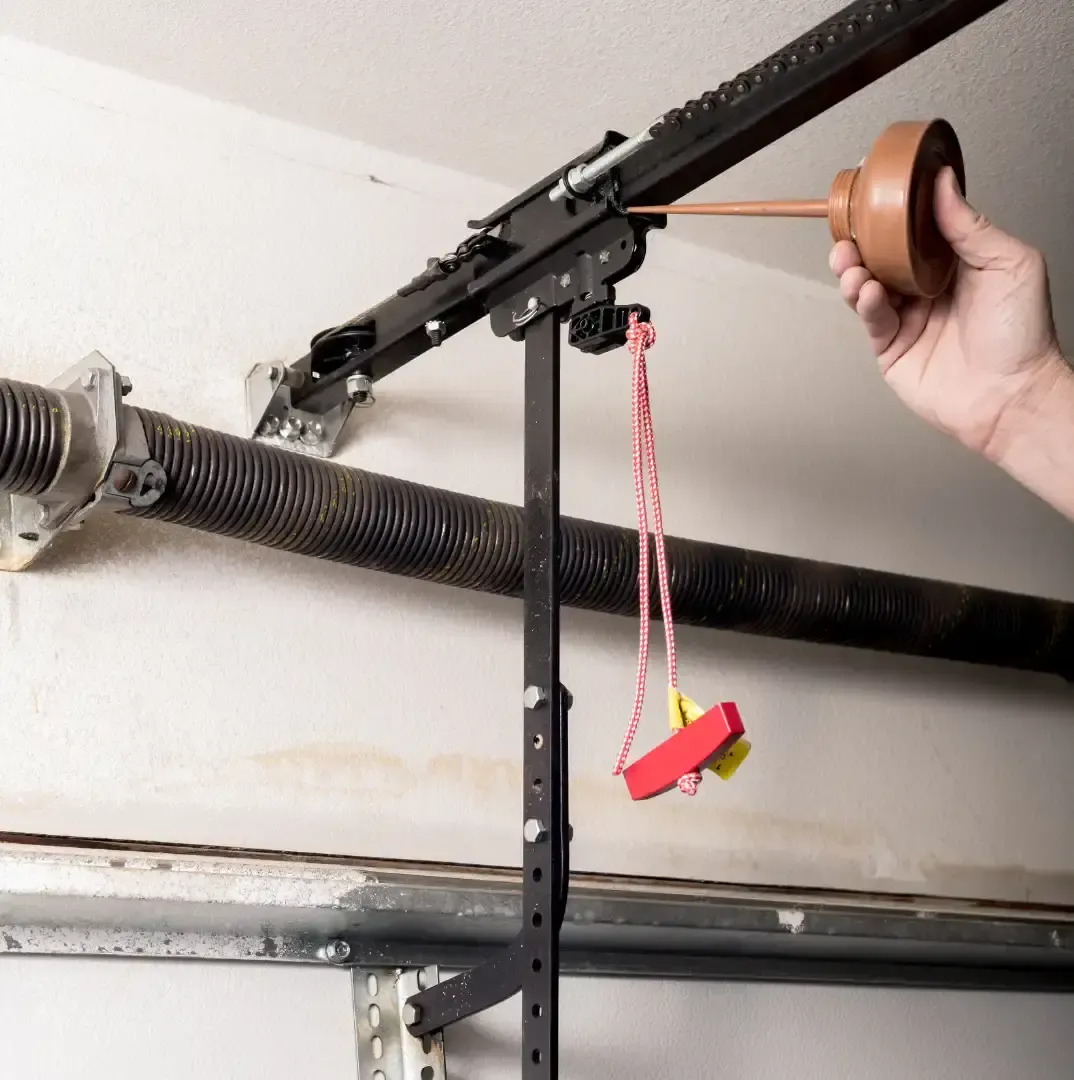
Prevention is the simplest way to avoid expensive repairs or replacements. Garage doors are designed for durability, but regular care and maintenance are essential to keep them functioning properly. Start with a visual check of your door. Look for loose hardware, worn springs, or tracks that aren’t aligned correctly. Catching these issues early can prevent small problems from turning into major ones.
Lubricate the rollers, tracks, and hinges to keep the door moving smoothly and minimize unnecessary strain on its components.
It’s also important to check the door’s balance and alignment. An unbalanced door puts extra pressure on the opener and other parts, which can lead to more significant damage. If the door isn’t closing evenly, it’s a good idea to have a professional make adjustments.
Lubricate the rollers, tracks, and hinges to keep the door moving smoothly and minimize unnecessary strain on its components.
It’s also important to check the door’s balance and alignment. An unbalanced door puts extra pressure on the opener and other parts, which can lead to more significant damage. If the door isn’t closing evenly, it’s a good idea to have a professional make adjustments.
Keep in mind that these simple steps can save you from significant problems and expenses in the future!
Conclusion
Your garage door is an essential part of your home, contributing to its security, appearance, and functionality. That’s why it’s so important to keep it in good working order. Take your first step today – whether it’s preventive maintenance, quick repairs, or a complete replacement – to invest in your safe and comfortable future. You have the power to keep your property safe and your mind at ease!
If you’re unsure where to start, 24H Garage Doors is here to provide expert guidance and practical solutions tailored to your needs. Reach out to us today!
If you’re unsure where to start, 24H Garage Doors is here to provide expert guidance and practical solutions tailored to your needs. Reach out to us today!
Frequently Asked Questions
When is a garage door repairable versus needing full replacement?
Whether a damaged garage door can be repaired depends largely on the type and extent of the problem. Minor issues like misaligned tracks or broken springs are often easy to fix with the right tools and expertise. Structural damage such as dented panels or bent frames may require partial repairs, or in more severe cases, a full replacement, especially if the damage compromises your safety or the repair cost approaches 50% of a replacement.
Should I try to fix a snapped garage door cable myself?
It's best to leave broken cables to a professional. These cables are crucial for lifting and lowering the door, and when they snap the door may stop functioning properly and can even become hazardous to operate. Because the components are under high tension and require specialized tools, this is not a safe DIY task.
Why does my garage door suddenly feel so heavy to lift?
This is often a sign of a worn or broken spring. Garage door springs bear the door's weight, which is what makes it easy to open and close. When a spring breaks, the door can feel impossibly heavy and unsafe to use.
Are cracks and dents in the panels just a cosmetic problem?
Not entirely. Damaged panels with cracks, dents, or other damage can affect your home's appearance, but they can also compromise insulation. So beyond curb appeal, panel damage can impact your garage's energy efficiency as well.