A garage door that operates smoothly is an essential element of your home’s overall convenience and security. Yet, the frustration of discovering a garage door stuck can disrupt your routine. Restoring smooth operation requires understanding the underlying causes and applying practical solutions.
In this article, we will take a look at what to do when a garage door is stuck without causing any additional damage.
How to Fix a Stuck Garage Door: Simple Solutions
Published: Jan 24, 2025 | Updated: Jul 28, 2026
Why Your Garage Door is Stuck
Several factors can lead to a garage door getting stuck when opening. One of the most frequent underlying causes of a jammed door is debris on the tracks that can prevent smooth door movement. A garage door stuck can also be caused by misaligned tracks, which are frequently the consequence of wear and tear or an unintentional hit. Furthermore, with time, worn-out springs lose tension, which makes it harder for them to adequately balance the weight of the door.
A malfunctioning opener, often due to misaligned or obstructed sensors, is another common issue. The situation may worsen due to electrical issues like frayed wires or a dead remote battery. The issue may be made more difficult by weather circumstances that cause metal components to shrink, such as extremely cold temperatures. Detecting these issues early can save money and prevent further damage.
A malfunctioning opener, often due to misaligned or obstructed sensors, is another common issue. The situation may worsen due to electrical issues like frayed wires or a dead remote battery. The issue may be made more difficult by weather circumstances that cause metal components to shrink, such as extremely cold temperatures. Detecting these issues early can save money and prevent further damage.
How to Open a Stuck Garage Door
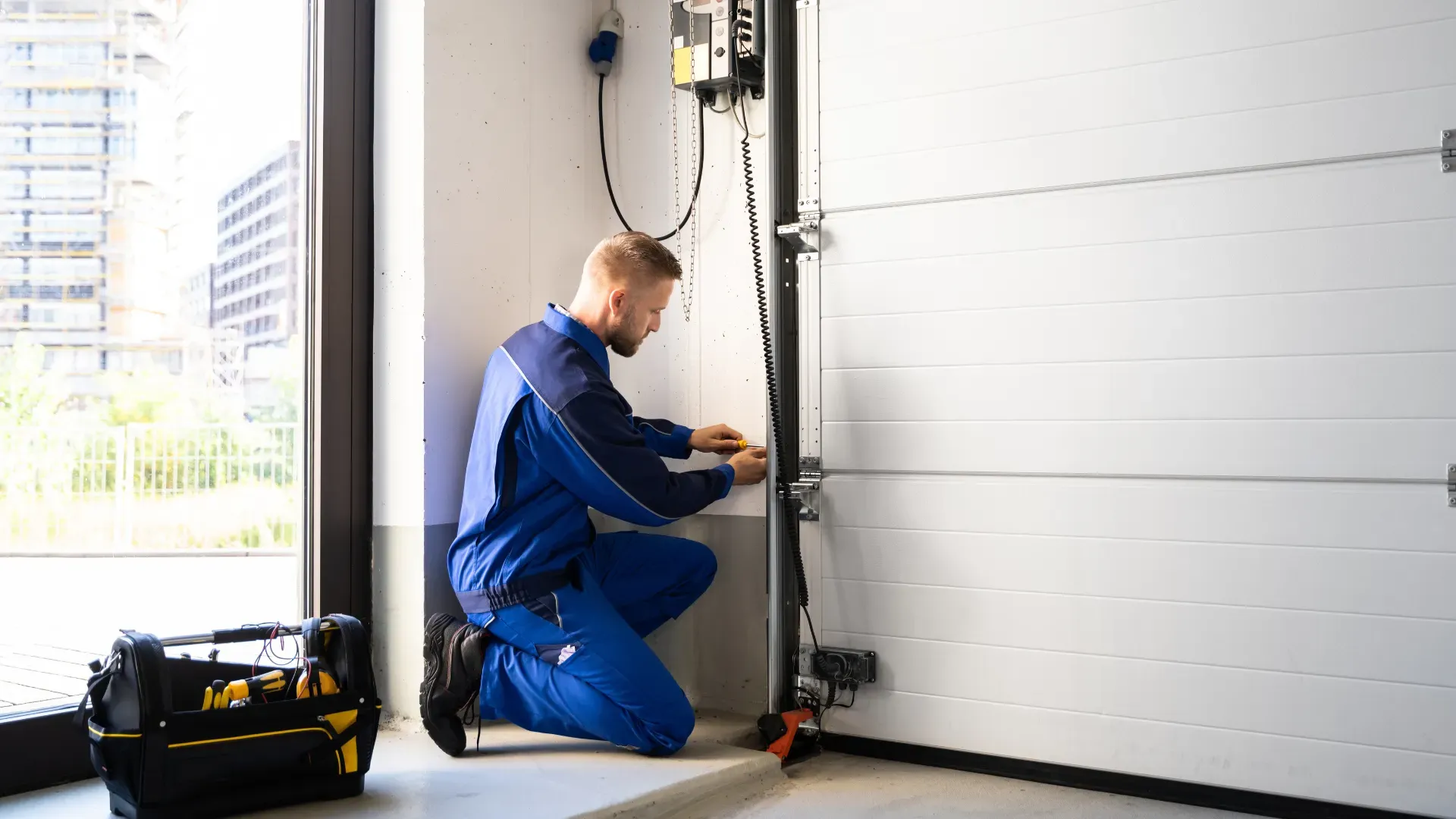
Make safety your top priority before doing any repairs. To prevent unintentional activation, disconnect the power source. Make sure you have the right tools, gloves, and safety eyewear to prevent injuries. Always exercise caution to avoid causing unexpected harm.
Inspect Tracks and Rollers
Rust, dirt, and debris are frequently the unseen reason why a garage door is getting stuck when opening. You can easily clean the accumulated obstacles on your own:
- Use a moist towel to wipe the tracks and clear away any obvious obstacles.
- Use the best garage door lubricant to guarantee that the rollers move smoothly along the tracks and avoid future problems. Choose a lithium or silicone-based grease that resists high temperatures and stops corrosion. Regular application keeps your garage door running smoothly.
Check the Garage Door Springs
Over time, garage door springs experience a great deal of strain and wear. That’s why it’s important to look for obvious deterioration, including cracks and stretches. If during this check-up you have found damage of any kind, to avoid potential risks, it is advisable to leave spring replacement to garage door repair professionals.
Examine the Garage Door Opener
Automated openers, the part that makes modern garage doors so efficient and easy to use, can occasionally break down causing your door to get stuck while opening or closing. A garage door opener is a complex mechanism that combines electrical and mechanical systems. Attempting repairs without the right tools or expertise may cause more harm than good. That is why any opener issues are better to be left for professional repair, but there are some minor adjustments that you can try on your own:
- Check the remote’s batteries.
- Make sure the sensors are aligned.
- Reset the system if required.
Persistent problems that return after your intervention may indicate that garage door company assistance is needed.
Fix Alignment Issues
Misaligned garage door trucks is a common reason why a door might get stuck, as even a slight deviation can affect the door’s movement. Inspection is the first step to fixing the issues. Moreover, many issues can be avoided by routinely checking alignment.
Start with checking for any obvious cracks or abnormalities. Then, if you have found any of this, you may try adjusting the tracks. Gradually loose the track screws. While doing so, gently nudge the tracks back into alignment and ensure the tracks run parallel to one another and the rollers slide smoothly.
Incorrect misalignment repair might strain the other components of the door system, especially springs and opener. That’s why it’s recommended to use a level to confirm accuracy.
After your adjustments are done, tighten the screws firmly. However, it’s important to keep balance – don’t overtighten as this might cause the tracks to distort.
To make sure the door operates without resistance after your repair, test the door’s movement several times. If problems continue after making adjustments, there may be underlying damage to the tracks or rollers, which can only be safely and successfully fixed with the help of a garage door repair specialist.
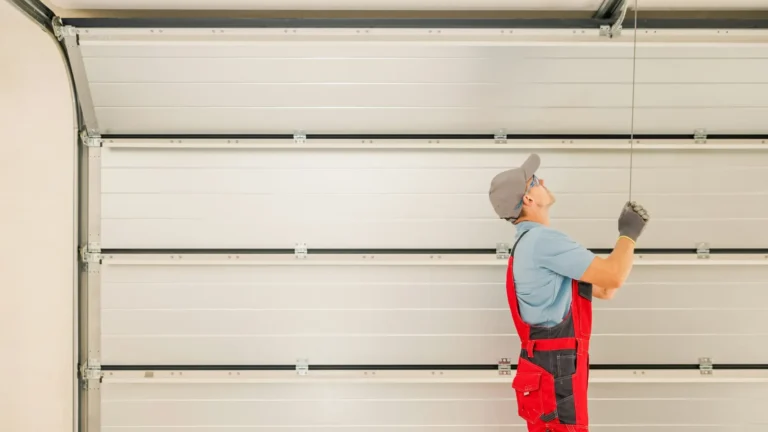
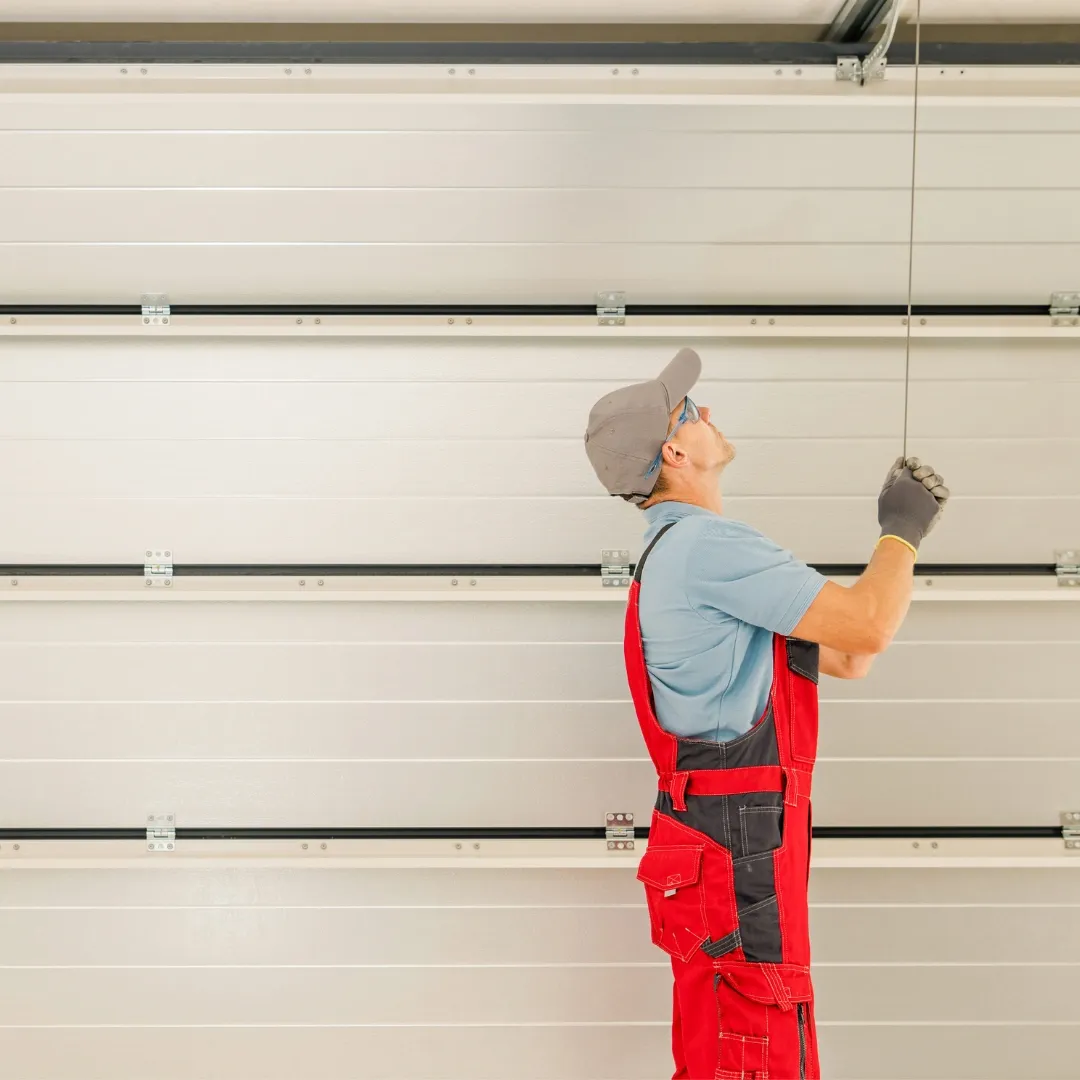
Emergency Techniques: How to Open a Stuck Garage Door from Outside
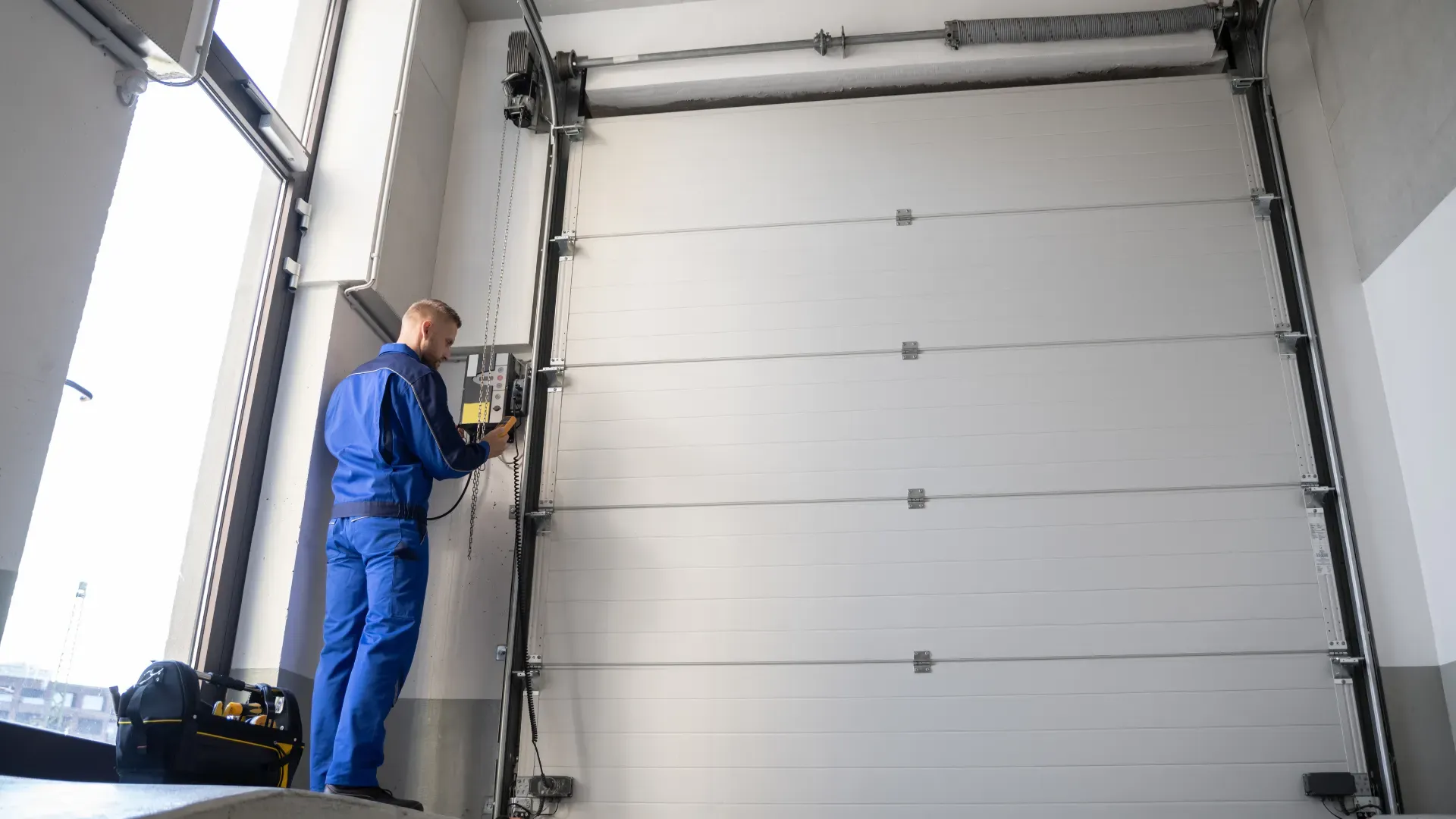
Sometimes, a situation that was caused by a stuck garage door can leave you stranded and frustrated outside. For these cases, we offer you a quick guide on how to open a stuck garage door without causing damage:
You may make testing the emergency release cord on a regular basis a part of your garage door maintenance.
Summing Up
A jammed garage door doesn’t have to ruin your day. You can address the majority of problems quickly by figuring out the root cause and using these simple fixes.
You can rely on 24H Garage Doors, your local garage door company, to provide long-lasting, safe solutions for intricate repairs. Your garage door will continue to function flawlessly for many years to come with routine maintenance, which is still your greatest line of protection against reoccurring issues.
You can rely on 24H Garage Doors, your local garage door company, to provide long-lasting, safe solutions for intricate repairs. Your garage door will continue to function flawlessly for many years to come with routine maintenance, which is still your greatest line of protection against reoccurring issues.
Frequently Asked Questions (FAQ)
Why is my garage door suddenly stuck and refusing to open or close?
A stuck garage door is most commonly caused by simple disruptions such as a tripped circuit breaker, dead remote control batteries, an accidentally engaged Lock or Vacation Mode on your wall-mounted console, or misaligned safety photo-eye sensors. Always verify your power source and wall control settings before attempting mechanical troubleshooting.
How do I fix a garage door that gets stuck halfway or reverses while closing?
When a door stops halfway or reverses, check the safety photo-eye sensors near the bottom of the tracks. Wipe away dirt, cobwebs, or condensation from the lenses using a clean, dry cloth, and ensure the indicator lights glow solid without flickering. Next, inspect the vertical and horizontal tracks for obstructions like pebbles, leaves, ice, or bent metal sections that could be binding the rollers.
Can I use lubricant to fix a garage door that is sticking or grinding?
Yes, proper lubrication can resolve sticking caused by mechanical friction. Apply a silicone-based spray or white lithium grease to the moving steel roller bearings, hinges, and torsion springs to help them glide smoothly. Never apply grease or spray oil directly into the garage door tracks, as this creates a sticky sludge that attracts dirt and causes rollers to slide or derail.
How do I safely open a stuck garage door manually?
To operate a stuck door manually, ensure the door is fully closed whenever possible, then pull the red emergency release cord hanging from the center trolley rail to disconnect the opener motor. Lift the door evenly using both hands from the bottom section. If the door feels excessively heavy or refuses to stay open on its own, do not force it, as this indicates an unbalanced or broken spring system.
Is it safe to fix a stuck garage door caused by a broken spring or cable myself?
No, attempting to replace or adjust high-tension torsion springs, extension springs, or steel lift cables yourself is extremely dangerous. These components hold between 150 and 400 pounds of stored energy. If released improperly or without specialized tools, they can snap and recoil with enough force to cause severe property damage or traumatic physical injury.
When should I call a professional technician to fix a stuck garage door?
You should call a certified garage door technician immediately if your door is jammed at an uneven angle, if a steel lifting cable has popped off the drum, if you hear a loud grinding motor without movement (indicating stripped internal drive gears), or if you visually spot a gap in your overhead torsion spring.
Frequently Asked Questions
Why is my garage door suddenly stuck and refusing to open or close?
A stuck garage door is most commonly caused by simple disruptions such as a tripped circuit breaker, dead remote control batteries, an accidentally engaged Lock or Vacation Mode on your wall-mounted console, or misaligned safety photo-eye sensors. Always verify your power source and wall control settings before attempting mechanical troubleshooting.
How do I fix a garage door that gets stuck halfway or reverses while closing?
When a door stops halfway or reverses, check the safety photo-eye sensors near the bottom of the tracks. Wipe away dirt, cobwebs, or condensation from the lenses using a clean, dry cloth, and ensure the indicator lights glow solid without flickering. Next, inspect the vertical and horizontal tracks for obstructions like pebbles, leaves, ice, or bent metal sections that could be binding the rollers.
Can I use lubricant to fix a garage door that is sticking or grinding?
Yes, proper lubrication can resolve sticking caused by mechanical friction. Apply a silicone-based spray or white lithium grease to the moving steel roller bearings, hinges, and torsion springs to help them glide smoothly. Never apply grease or spray oil directly into the garage door tracks, as this creates a sticky sludge that attracts dirt and causes rollers to slide or derail.
How do I safely open a stuck garage door manually?
To operate a stuck door manually, ensure the door is fully closed whenever possible, then pull the red emergency release cord hanging from the center trolley rail to disconnect the opener motor. Lift the door evenly using both hands from the bottom section. If the door feels excessively heavy or refuses to stay open on its own, do not force it, as this indicates an unbalanced or broken spring system.
Is it safe to fix a stuck garage door caused by a broken spring or cable myself?
No, attempting to replace or adjust high-tension torsion springs, extension springs, or steel lift cables yourself is extremely dangerous. These components hold between 150 and 400 pounds of stored energy. If released improperly or without specialized tools, they can snap and recoil with enough force to cause severe property damage or traumatic physical injury.
When should I call a professional technician to fix a stuck garage door?
You should call a certified garage door technician immediately if your door is jammed at an uneven angle, if a steel lifting cable has popped off the drum, if you hear a loud grinding motor without movement (indicating stripped internal drive gears), or if you visually spot a gap in your overhead torsion spring.