Dealing with a broken garage door is not how anyone wants to spend their Saturday afternoon. Still, here we are. Just like any other mechanism, garage door cables tend to fail when you least expect it. In moments like this, it’s natural to wonder: What’s going on? How can I prevent further damage, and what should my next steps be?”
This article will explain the most common reasons why your garage door cables might malfunction and, more importantly, share expert tips on how to prevent it from happening again.
Keep reading to learn everything about maintaining, repairing, and preventing cable damage to avoid costly repairs and get your garage door back on track.
Common Causes of Damaged Garage Door Cables and How to Prevent Them
Published: Oct 28, 2024 | Updated: Jul 28, 2026
Signs That Your Garage Door Cables Are Damaged
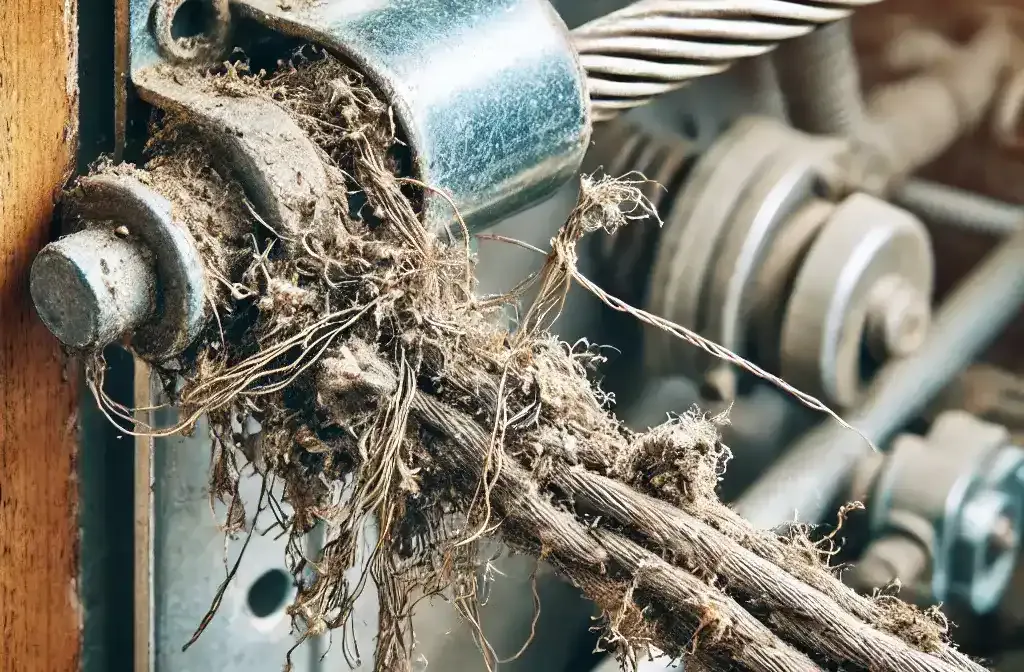
Here’s a quick check to see if your garage door cables are giving you a friendly heads-up that something’s not quite right:
Recognizing these signs early can save you from an emergency situation. It can also help you avoid the frustration of figuring out how to fix garage door cable problems at the worst possible time.
Now that we know what to look for let’s dive into why these issues happen and how to prevent them.
Now that we know what to look for let’s dive into why these issues happen and how to prevent them.
Common Reasons for Damaged Garage Door Cables
There are several common reasons why garage door cables wear out. Understanding them can help you prevent future breakdowns and costly repairs as well.
First, there’s the simple matter of wear and tear. Your garage door gets a workout every day, opening and closing multiple times. With each cycle, the cables bear a heavy load. Over time, this daily strain adds up, especially if maintenance hasn’t been a priority. If you ignore regular upkeep, you’ll likely need to repair garage door cables more often.
Second, regular maintenance is also essential for catching early signs of rust and corrosion, which often cause cable failure.
First, there’s the simple matter of wear and tear. Your garage door gets a workout every day, opening and closing multiple times. With each cycle, the cables bear a heavy load. Over time, this daily strain adds up, especially if maintenance hasn’t been a priority. If you ignore regular upkeep, you’ll likely need to repair garage door cables more often.
Second, regular maintenance is also essential for catching early signs of rust and corrosion, which often cause cable failure.
Third, never underestimate the impact of poor installation on your garage door cables. If not installed properly, the cables could be under constant strain, leading to frequent problems and potential long-term damage.
Lastly, accidents happen regardless of our desires and plans. The impact damage can seriously affect the cables, leading to repairs you’ll want to avoid. It’s better to address the issue sooner so you don’t have to fix garage door cable problems or replace them entirely.
Lastly, accidents happen regardless of our desires and plans. The impact damage can seriously affect the cables, leading to repairs you’ll want to avoid. It’s better to address the issue sooner so you don’t have to fix garage door cable problems or replace them entirely.
The Risks of Operating a Garage Door with Damaged Cables
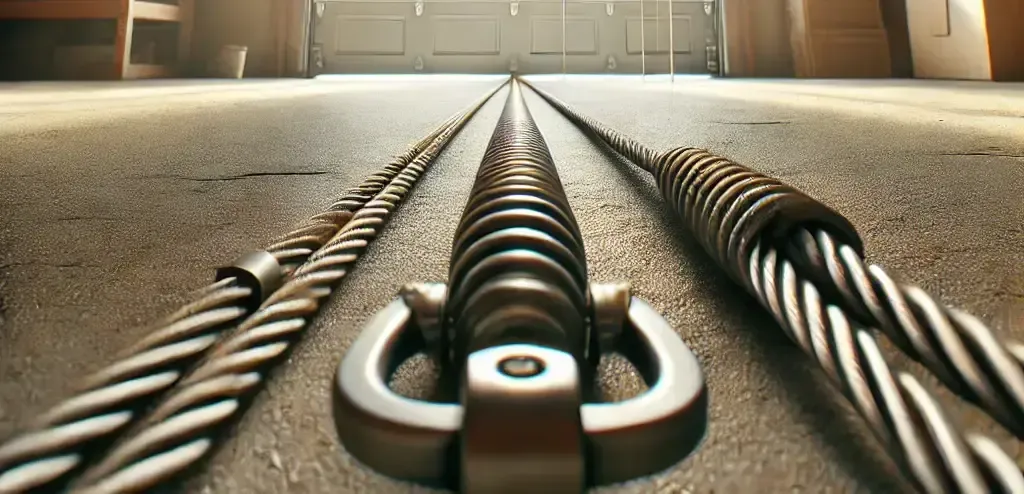
Let’s say you’ve noticed some of the signs above but are still using the door. No big deal, right? Well, actually, it is a big deal.
Damaged cables can snap unexpectedly. A garage door is not lightweight – imagine a 150-pound door falling without warning.
Also, if your cables are on their last leg, other parts of your garage door, like the rollers, tracks, and springs, will have to pick up the slack, often leading to even more expensive repairs.
Another potential issue is getting stuck. Who wants to be trapped inside (or outside) because the door won’t open or close? That’s not exactly how you want to start or end your day.
In short, ignoring damaged cables is just a matter of time before things go south.
Also, if your cables are on their last leg, other parts of your garage door, like the rollers, tracks, and springs, will have to pick up the slack, often leading to even more expensive repairs.
Another potential issue is getting stuck. Who wants to be trapped inside (or outside) because the door won’t open or close? That’s not exactly how you want to start or end your day.
In short, ignoring damaged cables is just a matter of time before things go south.
How to Prevent Garage Door Cable Damage
The good news is you don’t have to wait for a disaster to take action. With a little preventative care, you can keep your garage door cables and your peace of mind intact.
1. Regular Inspections and Maintenance
Look for signs of wear, rust, or fraying. Spotting these problems early can save you from a costly fix down the road.
2. Keep the Cables Lubricated
Just like a bike chain needs oil, your garage door cables need lubrication to stay in good shape. Applying a silicone-based lubricant will keep them moving smoothly and help prevent rust.
3. Balance the Tension
If your door feels misaligned or is hard to open, your cables are likely under extra strain. Make sure your garage door is properly balanced to prevent unnecessary wear on the cables.
Look for signs of wear, rust, or fraying. Spotting these problems early can save you from a costly fix down the road.
2. Keep the Cables Lubricated
Just like a bike chain needs oil, your garage door cables need lubrication to stay in good shape. Applying a silicone-based lubricant will keep them moving smoothly and help prevent rust.
3. Balance the Tension
If your door feels misaligned or is hard to open, your cables are likely under extra strain. Make sure your garage door is properly balanced to prevent unnecessary wear on the cables.
4. Call Professionals
Not sure how to maintain or fix garage door cable issues? Leave it to the experts. Your local Garage Door Company has the right tools and expertise to get the job done and save you from the risks of DIY repairs.
Not sure how to maintain or fix garage door cable issues? Leave it to the experts. Your local Garage Door Company has the right tools and expertise to get the job done and save you from the risks of DIY repairs.
Conclusion
When it comes to garage door functionality, the saying “better safe than sorry” couldn’t be more accurate. Regular maintenance, inspections, and prompt repairs are the key to keeping your door and its core elements in top shape.
If you’ve noticed any warning signs, don’t wait until things get worse – reach out to 24H Garage Door Services for professional solutions.
If you’ve noticed any warning signs, don’t wait until things get worse – reach out to 24H Garage Door Services for professional solutions.
Frequently Asked Questions
How can I tell if my garage door cables are damaged?
Look for squeaking or grinding noises when the door is in motion, visible fraying or wear on the cables, and uneven movement or the door getting stuck in one position. Slack cables are another clear sign, since they should always be tight, so if they look loose or sagging they need to be repaired or replaced. Recognizing these signs early can save you from an emergency situation.
What are the most common reasons garage door cables wear out?
Everyday wear and tear is a major cause, since the cables bear a heavy load each time the door opens and closes. Rust and corrosion, poor installation that leaves the cables under constant strain, and impact damage from accidents are also common reasons. Understanding these causes can help you prevent future breakdowns and costly repairs.
Is it dangerous to keep operating a door with damaged cables?
Yes. Damaged cables can snap unexpectedly, and a garage door is not lightweight, so imagine a 150-pound door falling without warning. Worn cables also force other parts like the rollers, tracks, and springs to pick up the slack, often leading to even more expensive repairs, and you could end up getting stuck inside or outside.
How can I prevent cable damage in the first place?
Make regular maintenance a priority so that daily wear and tear does not add up and so early signs of rust and corrosion are caught before they cause failure. Proper installation matters too, since poorly installed cables stay under constant strain and lead to frequent problems. Addressing issues sooner helps you avoid having to repair or fully replace the cables.