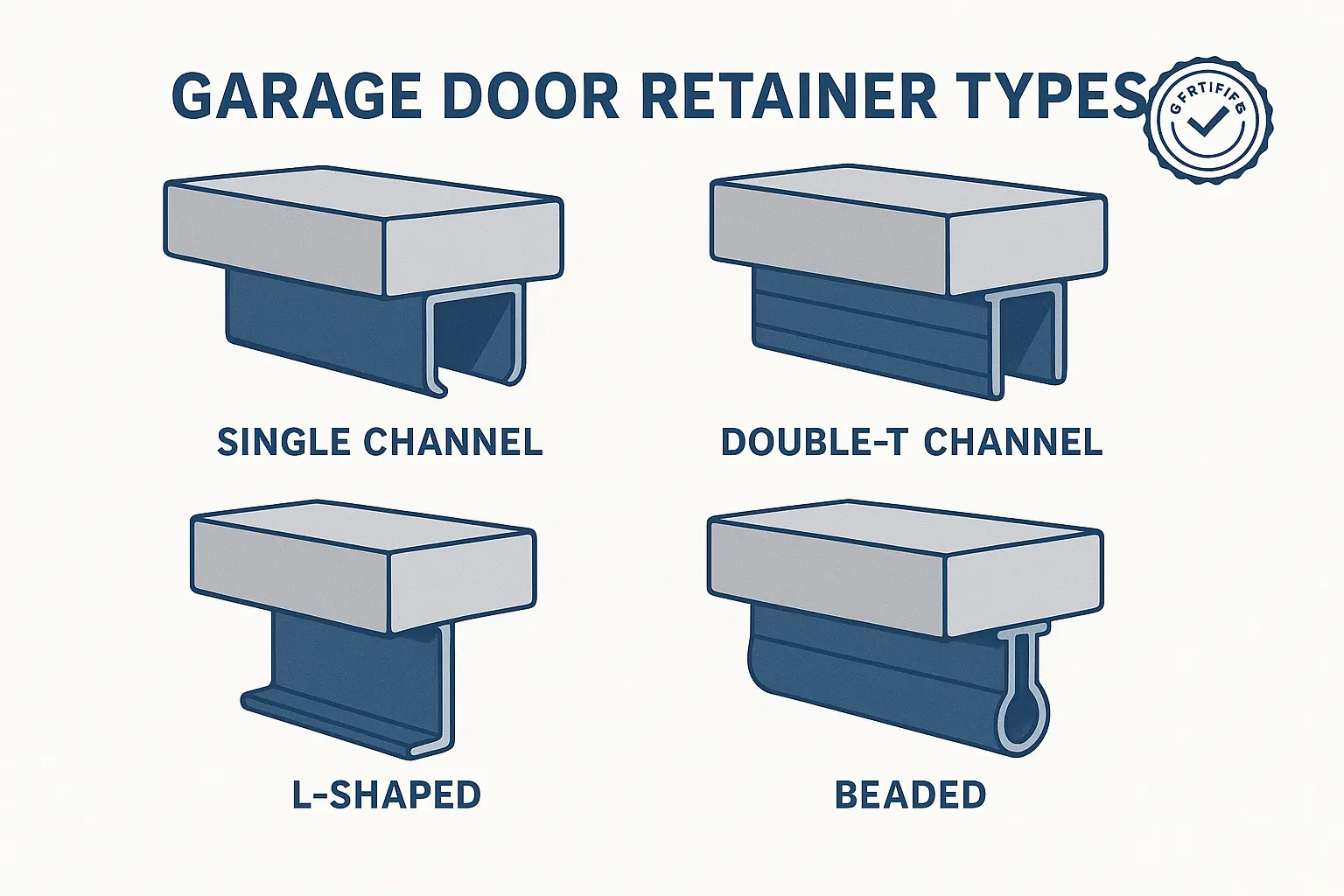
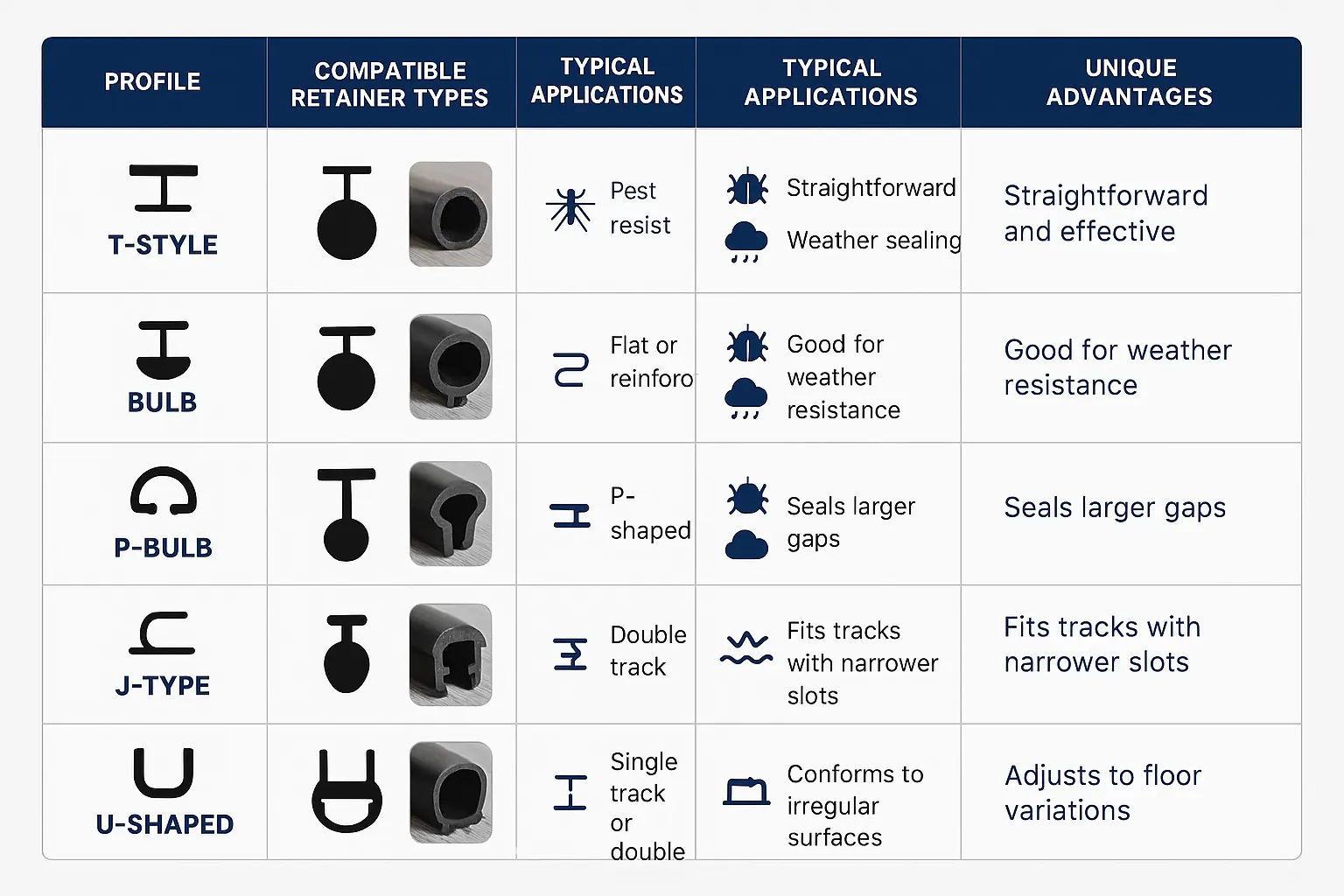
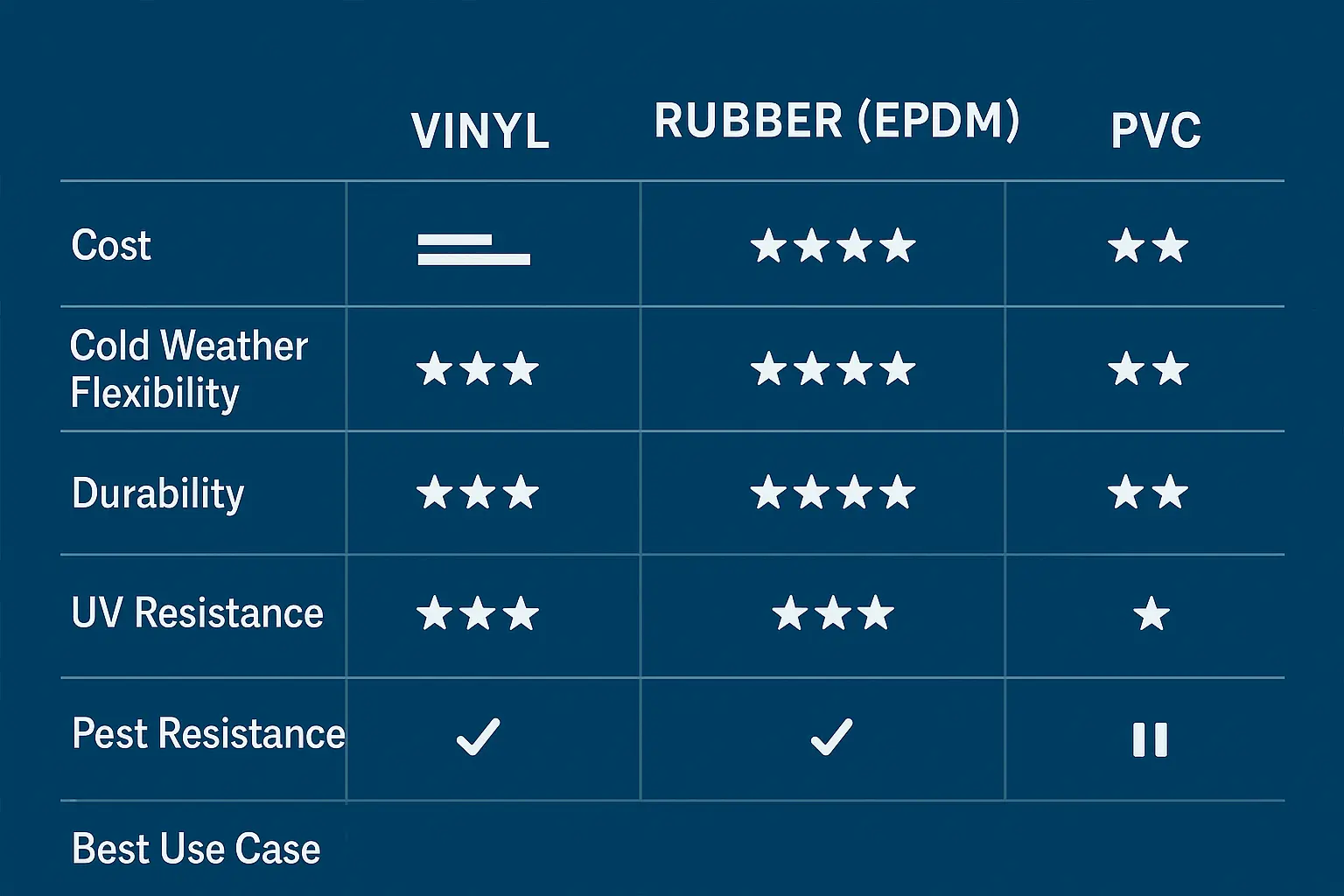
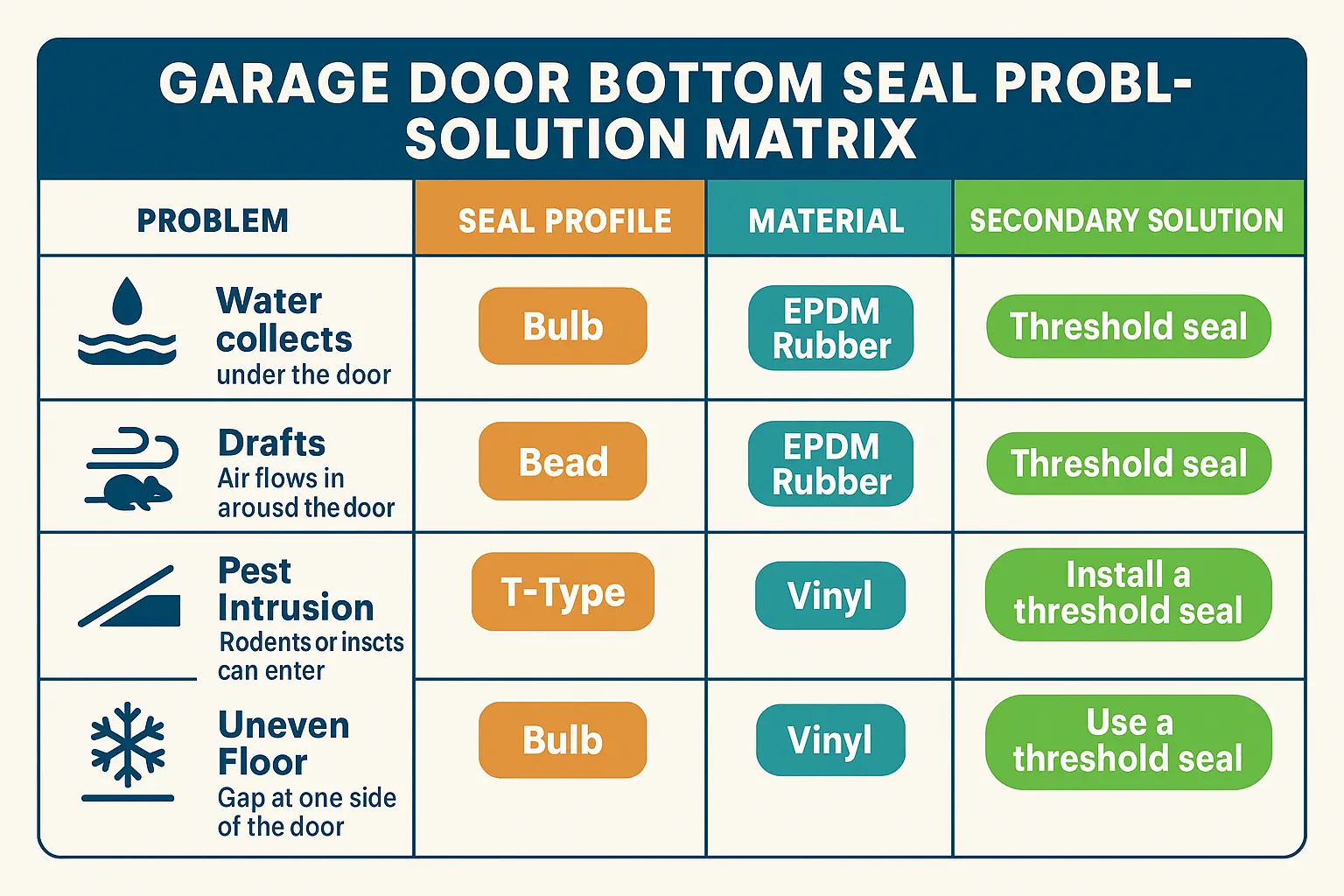
A new bottom seal can do more than just block drafts. By choosing the right combination of profile and material, you can solve some of the most common garage headaches. If you’re struggling with high utility bills, understanding
how can a garage door bottom seal help with energy efficiency? is the first step toward a more comfortable and cost-effective home.
Problem: An Uneven or Cracked Floor
• The Likely Cause: A standard flat seal can’t conform to the floor’s imperfections, leaving gaps.
• Recommended Seal Solution: A Bulb-style seal is ideal. Its round shape compresses to fill gaps effectively. For severe slopes, consider adding a garage door threshold seal on the floor itself.
Problem: Water Seeping Under the Door
• The Likely Cause: The seal is worn, cracked, or too small, allowing water to penetrate.
• Recommended Seal Solution: A wider seal (e.g., 4″ or 6″) combined with a U-shaped profile can create a better barrier. EPDM rubber provides a more reliable, watertight seal.
Problem: Pests and Rodents Getting In
• The Likely Cause: Small gaps created by a worn or ill-fitting seal provide an easy entry point.
• Recommended Seal Solution: A thick rubber seal is harder for pests to chew through. Some brands offer rodent-proof seals infused with repellent materials. Ensure there are no gaps on the sides.
Problem: Daylight Visible on the Sides
• The Likely Cause:The seal is not wide enough for the door, or the door isn’t closing completely.
• Recommended Seal Solution: Measure your door’s thickness and choose a seal that’s at least an inch wider on both sides. If the door isn’t closing right, you may have garage door limit switch problems.