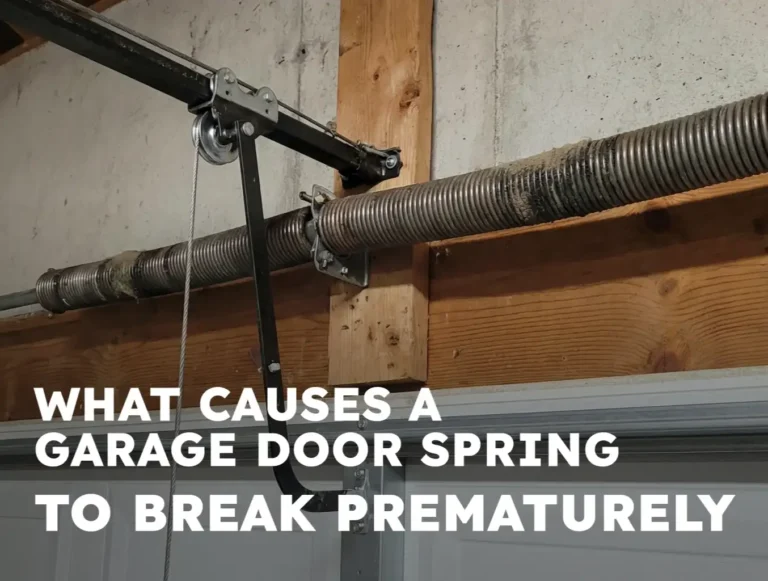
Tempted to handle that broken garage door spring yourself? It might seem like a quick fix, but it’s actually one of the most dangerous garage repairs you can take on. Whether you’re a homeowner, property manager, or contractor, knowing the risks can help you avoid injury and expensive mistakes. In this guide, 24H Garage Doors explains how to fix garage door springs safely and when it’s best to call a trained professional.
How to Fix a Garage Door Spring Without Causing Damage
Published: Nov 4, 2025 | Updated: Jul 28, 2026
Why Garage Door Springs Are Dangerous
Understanding how to repair a broken garage door spring begins with knowing why this job is best left to professionals. Garage door springs are tightly wound and store a tremendous amount of tension. Whether you’re working with a torsion spring or an extension spring, releasing that pressure the wrong way can be extremely dangerous. Serious injuries are all too common when people, without proper training, attempt spring repairs. That built-up force is what helps lift the door, but it’s also what makes spring repair one of the riskiest tasks.
Torsion and Extension Springs: Key Differences You Should Know
The first step in any safe and effective garage door spring repair is identifying the type of spring you’re working with:
Each type requires specific tools and techniques. Regardless of the system, never attempt to adjust or replace garage door springs without proper training — the risk of serious injury is high.
How to Fix Garage Door Extension Springs Safely
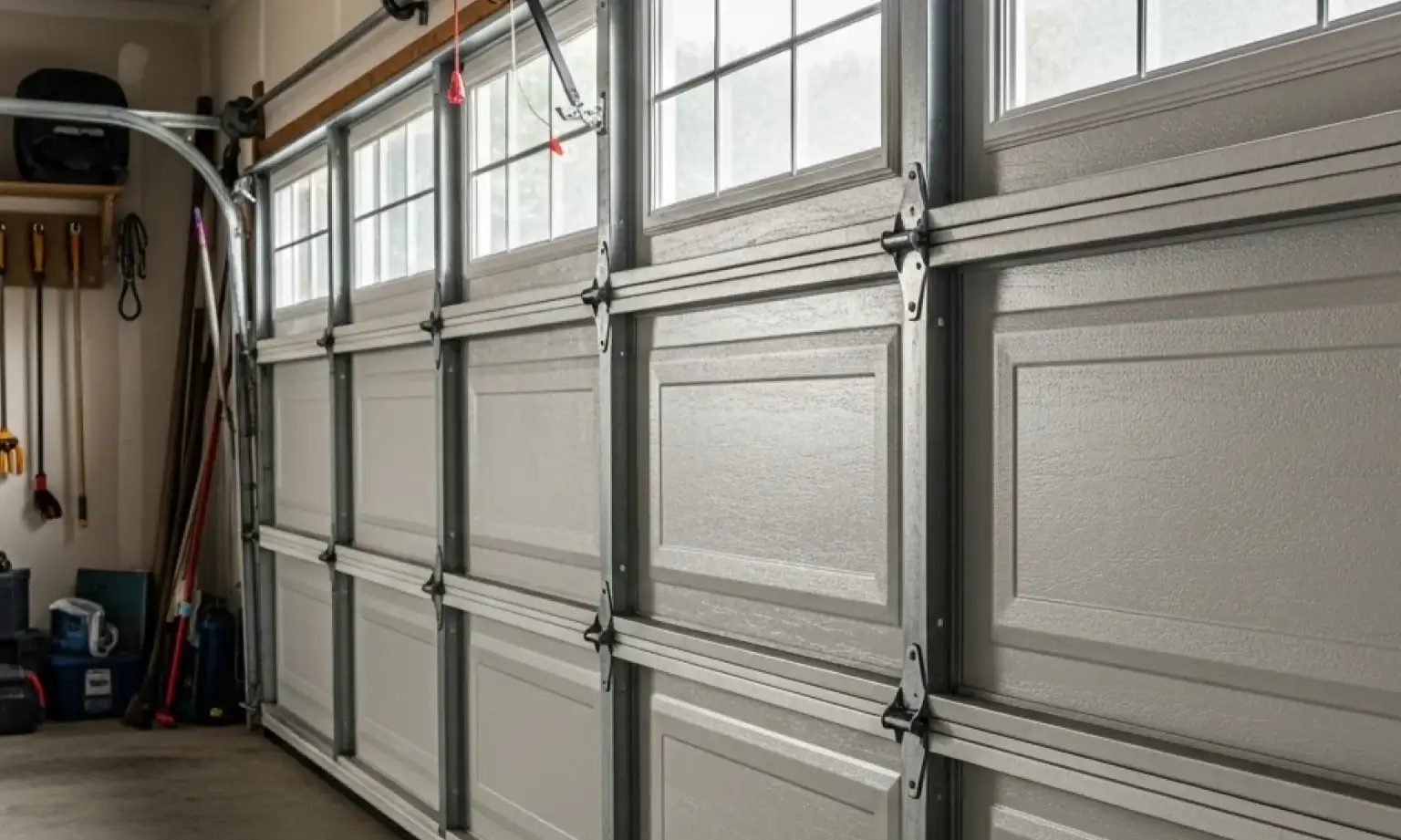
While extension springs may seem easier to work with than torsion systems, they still hold a dangerous amount of tension. A single misstep during repair, especially without safety cables or proper alignment, can cause the spring to snap with serious force. Instead of risking injury, it’s smarter to focus on tasks you can safely manage.
This involves lubricating the springs and rollers with a garage door-specific product, inspecting for rust or stretching, and wiping down the tracks to prevent debris buildup. If the door starts sticking or making strange noises, stop using it immediately and call a professional. If you’re unsure how to fix a garage door extension spring, don’t attempt the repair yourself — call a qualified technician to handle it safely.
This involves lubricating the springs and rollers with a garage door-specific product, inspecting for rust or stretching, and wiping down the tracks to prevent debris buildup. If the door starts sticking or making strange noises, stop using it immediately and call a professional. If you’re unsure how to fix a garage door extension spring, don’t attempt the repair yourself — call a qualified technician to handle it safely.
Why Garage Door Torsion Spring Repair Is Not a DIY Job
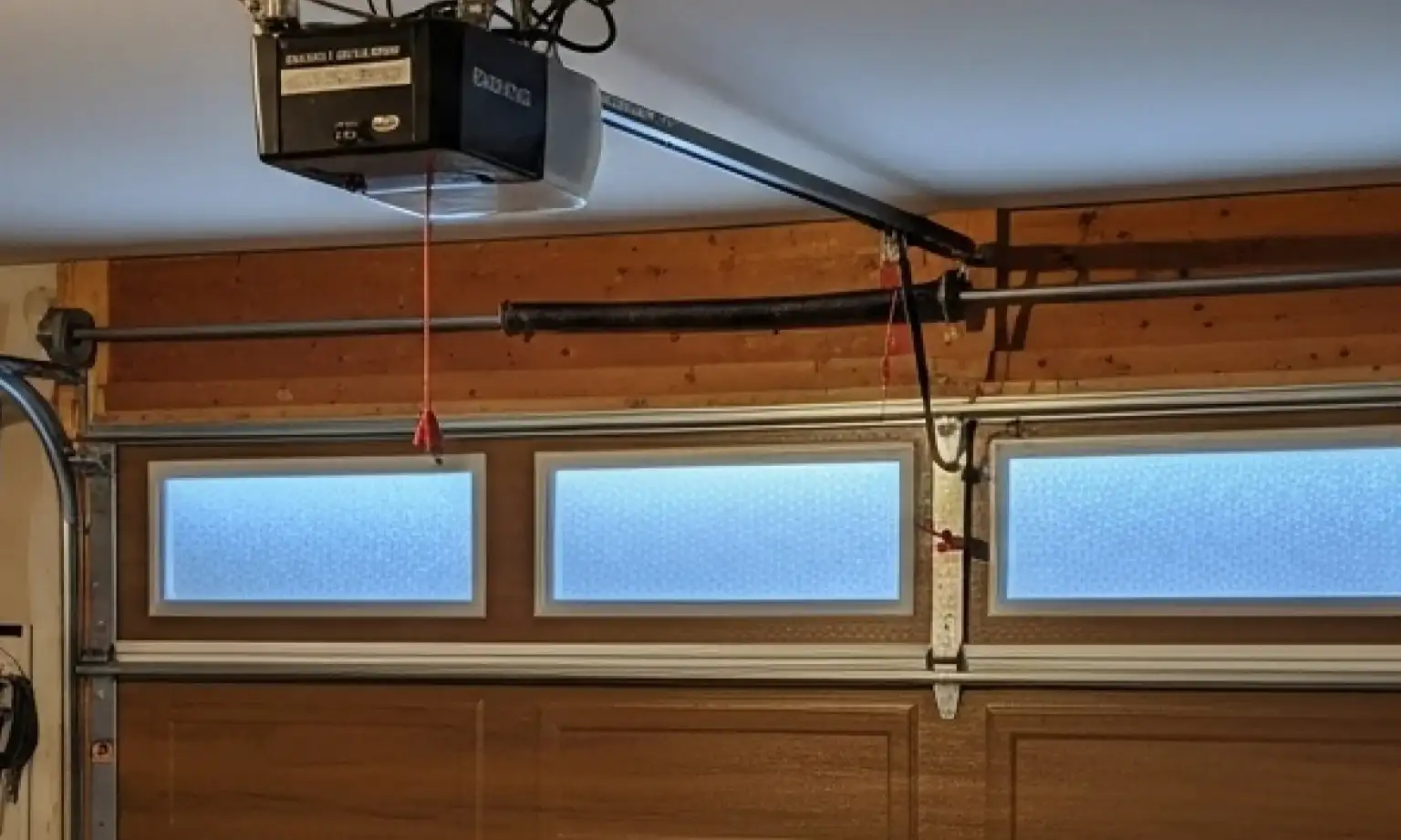
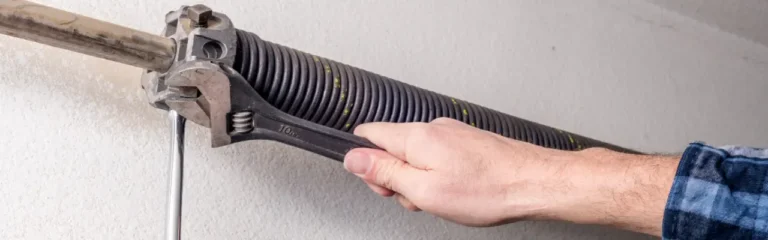
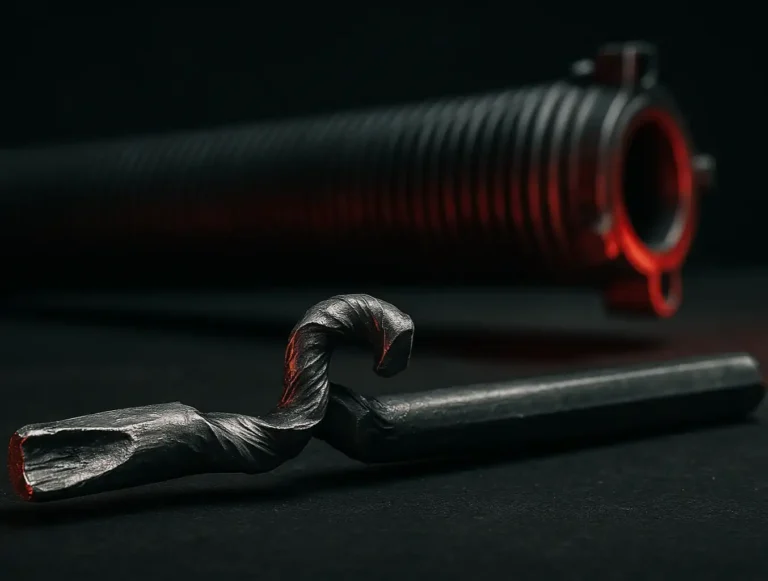
Many homeowners don’t realize just how much force is stored in a torsion spring — or how dangerous that force becomes when released incorrectly. A single wrong turn of the wrench can send the spring flying, strong enough to cause serious injury or even structural damage. If you’re researching how to fix a garage door torsion spring, know that this is not a DIY project.
Even experienced handymen often leave this repair to qualified technicians. While the repair itself should be handled by an expert, you can still care for your system between service calls. Lubricate the springs and hinges every few months, listen for popping or grinding sounds, and inspect the coils for any signs of wear. These simple habits can help you spot issues early and avoid more serious problems later on.
Even experienced handymen often leave this repair to qualified technicians. While the repair itself should be handled by an expert, you can still care for your system between service calls. Lubricate the springs and hinges every few months, listen for popping or grinding sounds, and inspect the coils for any signs of wear. These simple habits can help you spot issues early and avoid more serious problems later on.
When You Should Call a Professional
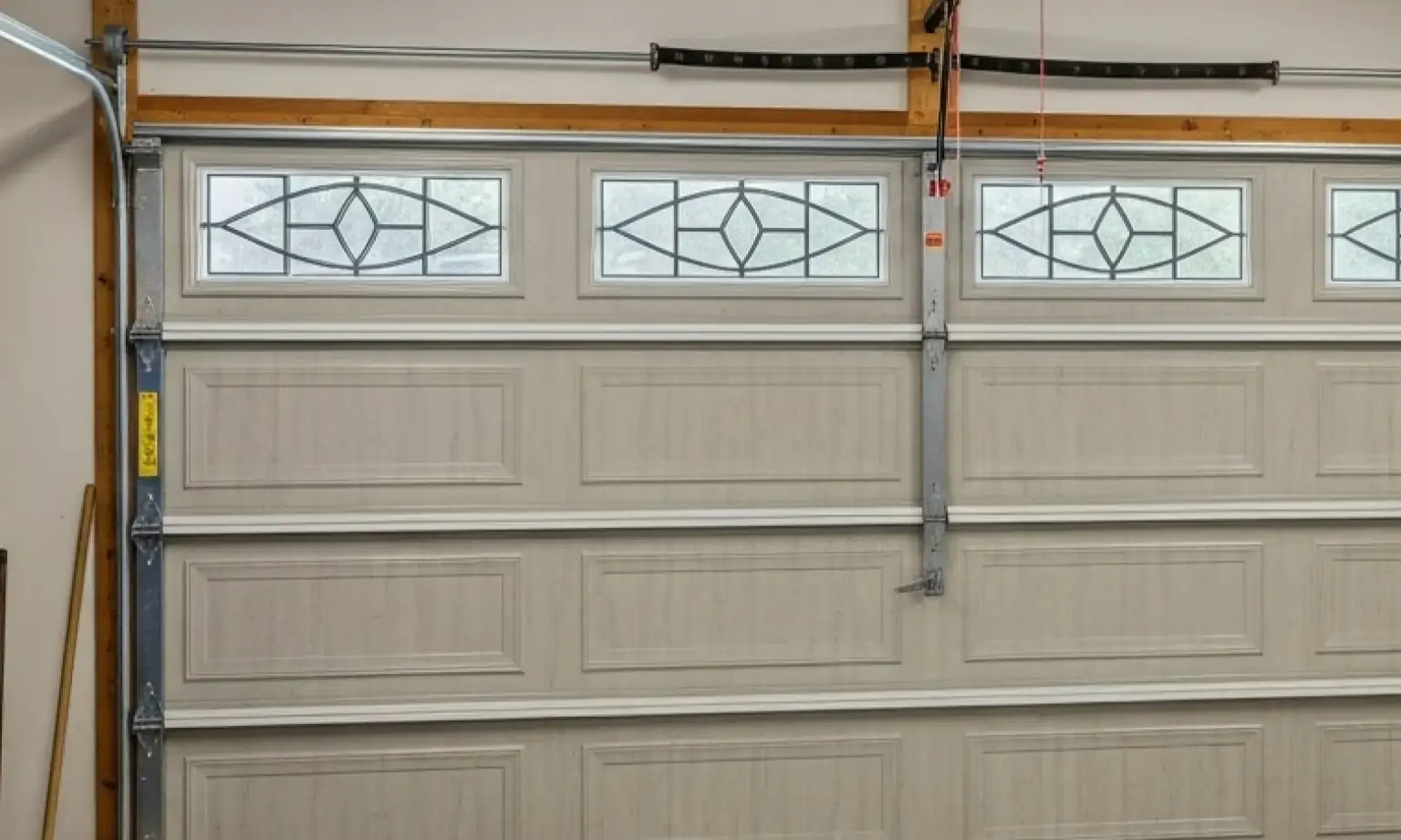
If you’re unsure about any part of the repair, you should consider reaching out to a trained specialist. Spring systems are complex, and attempting a fix without the right knowledge can lead to injury or further damage.
Qualified professionals have the tools and experience to handle both torsion and extension spring repairs safely. If the door feels heavy, makes unusual noises, or won’t open evenly, don’t try to force it. While you wait for help, it’s smart to read our guide on how to open a garage door if the spring is broken so you can access your garage without putting yourself at risk.
Qualified professionals have the tools and experience to handle both torsion and extension spring repairs safely. If the door feels heavy, makes unusual noises, or won’t open evenly, don’t try to force it. While you wait for help, it’s smart to read our guide on how to open a garage door if the spring is broken so you can access your garage without putting yourself at risk.
Garage Door Spring Repairs: Final Safety Tips
Even if you’re trying to figure out how to fix garage door springs, the risk of serious injury is too high to ignore. Both torsion and extension springs are under intense tension and should only be handled by trained professionals.
Don’t take chances with your safety or your garage system. If you’re dealing with a broken spring, contact 24H Garage Doors for fast, expert garage door spring repair. Our team responds quickly with safe, professional service, so you can get back to your routine without the stress.
Don’t take chances with your safety or your garage system. If you’re dealing with a broken spring, contact 24H Garage Doors for fast, expert garage door spring repair. Our team responds quickly with safe, professional service, so you can get back to your routine without the stress.
Frequently Asked Questions
Why is repairing a garage door spring considered so dangerous?
Garage door springs are tightly wound and store a tremendous amount of tension, and whether it is a torsion or extension spring, releasing that pressure the wrong way can be extremely dangerous. That built-up force is what helps lift the door, but it also makes spring repair one of the riskiest tasks. Serious injuries are all too common when people attempt spring repairs without proper training.
How can I tell whether I have torsion or extension springs?
Identifying the spring type is the first step in any safe repair. Torsion springs are typically mounted horizontally above the door, usually seen as a single, tightly coiled spring running along a metal shaft. Extension springs run along the sides of the door tracks, usually one on each side, and appear stretched out when the door is closed.
What spring-related maintenance can I safely do on my own?
Instead of risking injury on the springs themselves, focus on tasks you can safely manage, such as lubricating the springs and rollers with a garage door-specific product, inspecting for rust or stretching, and wiping down the tracks to prevent debris buildup. Lubricating the springs and hinges every few months helps care for your system between service calls. If the door starts sticking or making strange noises, stop using it immediately and call a professional.
Is fixing a torsion spring ever a good DIY project?
No — many homeowners do not realize how much force is stored in a torsion spring or how dangerous it becomes when released incorrectly, since a single wrong turn of the wrench can send the spring flying with enough force to cause serious injury or even structural damage. This is not a DIY project, and even experienced handymen often leave it to qualified technicians. If you are unsure about an extension spring repair, you should also call a qualified technician rather than attempt it yourself.