A garage door that operates smoothly makes daily life easier, whether you’re heading to work, running a business, or simply enjoying your home. A noisy or jerky garage door can certainly disrupt that calm. Often, the solution is simpler than you might think. Proper lubrication. This guide from 24H Garage Doors explains why oiling your garage door springs matters, what type of oil to use, and how to lubricate garage door springs to keep your door running quietly and reliably.
How to Lubricate Garage Door Springs for Quiet Operation
Published: Mar 27, 2026 | Updated: Jul 28, 2026
Picking the Best Lubricant for Your Garage Door Springs
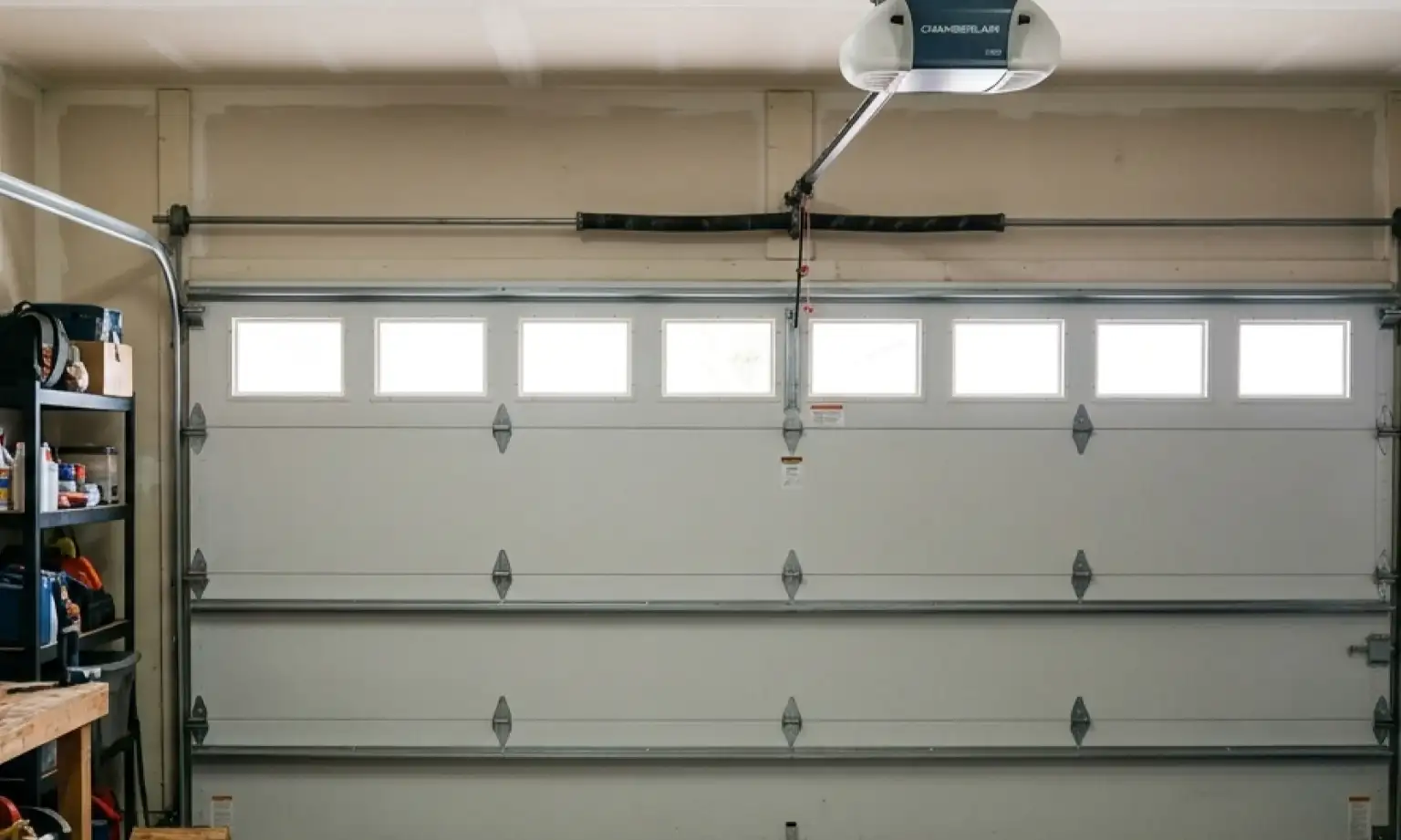
When it’s time to lubricate your garage door springs, not just any oil or grease will do. You might be asking, what is the best lubricant for garage door springs? It’s important to use a product made specifically for garage door components. We recommend a silicone-based spray or a lithium-based grease. These types of lubricants are designed to combat rust and wear, withstand temperature changes, and resist dirt that can clog the works. We don’t recommend using general oils like WD-40, as they can attract dust and make things worse over time. A good lubricant will leave a thin, protective layer that reduces friction, helping your springs work like they’re brand new. This simple act of upkeep brings many benefits, helping to prevent rust and reduce noise.
Step-by-Step: How to Lube Garage Door Springs
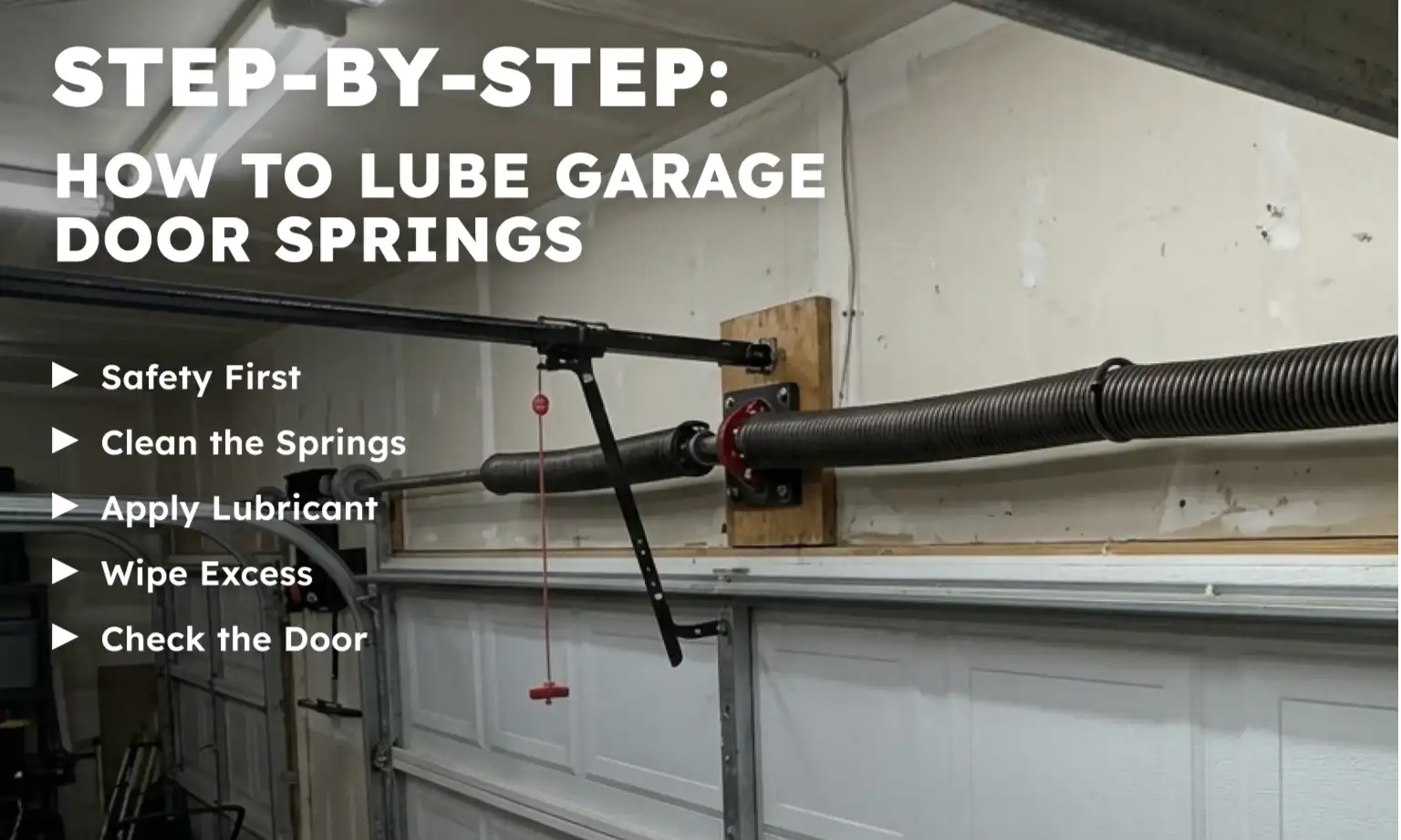
Ready to give your garage door springs the attention they deserve? Here’s a straightforward guide on how to lubricate garage door springs safely and effectively:
When and How Often Should You Lubricate Garage Door Springs?
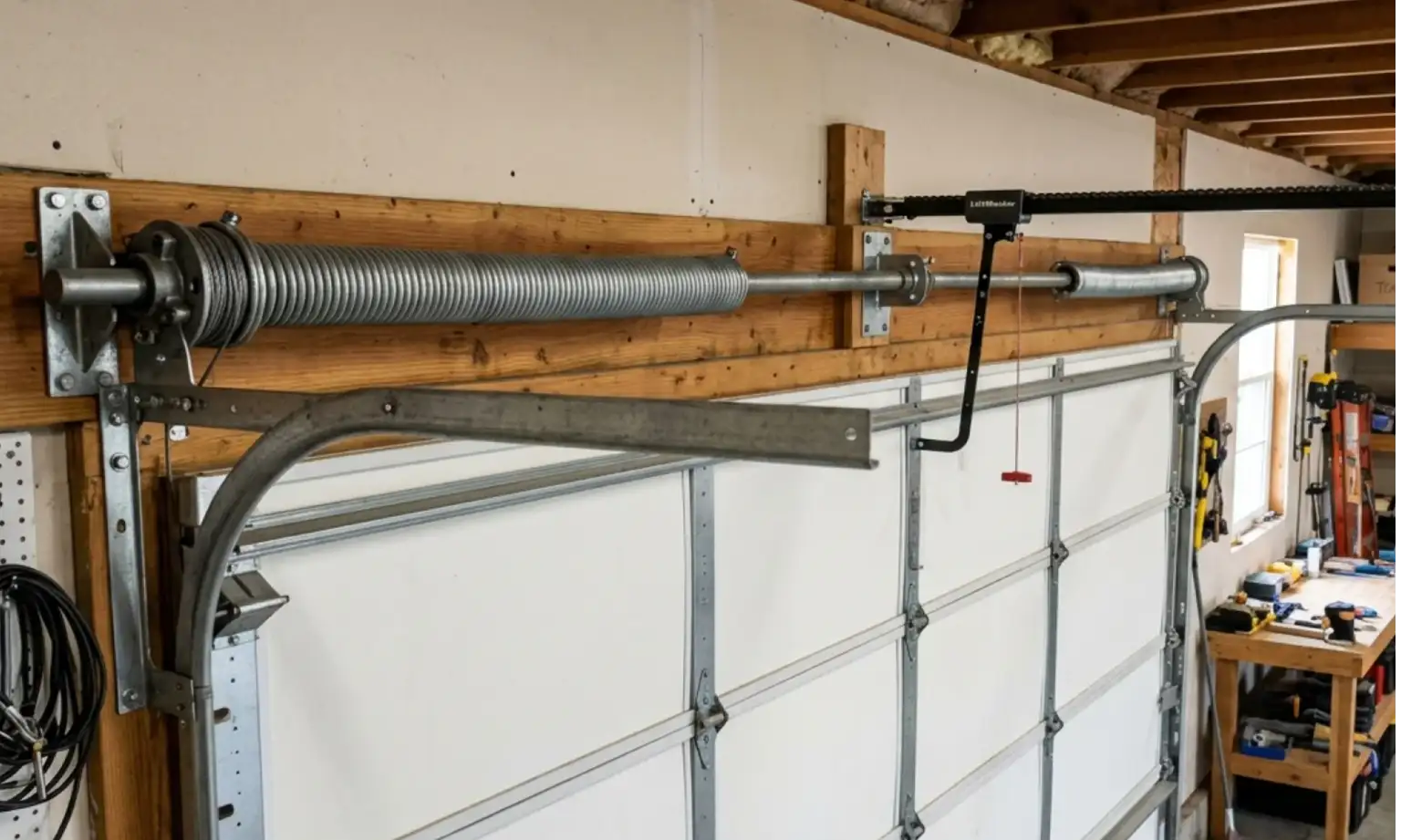
Determining the right time to lubricate your garage door springs is key. Regular oiling is a small but important part of upkeep. It helps prevent rust, reduces friction, and allows the springs to operate quietly and smoothly. For homeowners and business owners, this means less noise and a better appearance. It also extends the life of your garage door system. Skipping the oiling can put more pressure on parts, leading to costly repairs. Most experts recommend oiling your garage door springs at least once a year, or more often if the door is used frequently. Make it part of your annual home maintenance checklist. Also, knowing how to lubricate a garage door completely helps your system last longer. Listen for squeaks or grinding sounds, as these are clear signs it’s time for lubrication.
Keep Your Garage Door Running Well with 24H Garage Doors
Proper lubrication of your garage door springs is a simple yet effective way to keep your garage door system quiet, functioning properly, and lasting a long time. It helps prevent wear and tear, reduces noise, and keeps everything moving without trouble. While you can certainly do this job yourself, for any bigger problems or if you’re not comfortable with doing maintenance yourself, remember that professional help is always available. The team at 24H Garage Doors is here to help with all your garage door needs, from expert garage door spring repair to full maintenance services. We don’t want a squeaky garage door to become a headache for you – contact us today for reliable and friendly service!
Frequently Asked Questions
What kind of lubricant works best on garage door springs?
It is important to use a product made specifically for garage door components, such as a silicone-based spray or a lithium-based grease. These are designed to combat rust and wear, withstand temperature changes, and resist dirt that can clog the works. They leave a thin, protective layer that reduces friction and helps the springs work like new.
Should I use WD-40 to lubricate my springs?
No, general oils like WD-40 are not recommended because they can attract dust and make things worse over time. Instead, use a silicone-based spray or lithium-based grease made for garage door parts. The right lubricant helps prevent rust and reduce noise rather than trapping grime.
What steps should I take before applying lubricant to the springs?
Start with safety by making sure the garage door is closed and the opener is unplugged so the door can't move while you work. Then wipe down the springs with a clean cloth to remove any accumulated dirt or old grease before applying the new lubricant. This prepares the surface so the coating goes on evenly.
How do I apply the lubricant and check that it worked?
Apply a light, even coat along the entire length of both torsion springs, or lubricate the coils if you have extension springs, and include the bearings at the ends of the torsion tube that help the springs turn. Wipe off any excess to stop dripping, then plug the opener back in and slowly open and close the door a few times. You should notice it is much quieter and moves with less effort.