Humidity can quietly wreak havoc on everyday items. However, when protecting our belongings from humidity, we often overlook garage doors. The effects of moisture on garage door components can lead to frustrating malfunctions, costly repairs, and, in some cases, to replacement.
Homeowners in coastal areas should pay extra attention to humidity’s impact to avoid frequent garage door services. Understanding how humidity plays a role in the wear and tear of your garage door can help you take steps to avoid damage. In this article, we will take a look at the most vulnerable parts of your garage door and what you can do to prolong your door lifespan.
The Impact of Humidity on Garage Door Components
Published: Feb 13, 2025 | Updated: Jul 28, 2026
The Role of Humidity in Everyday Mechanics
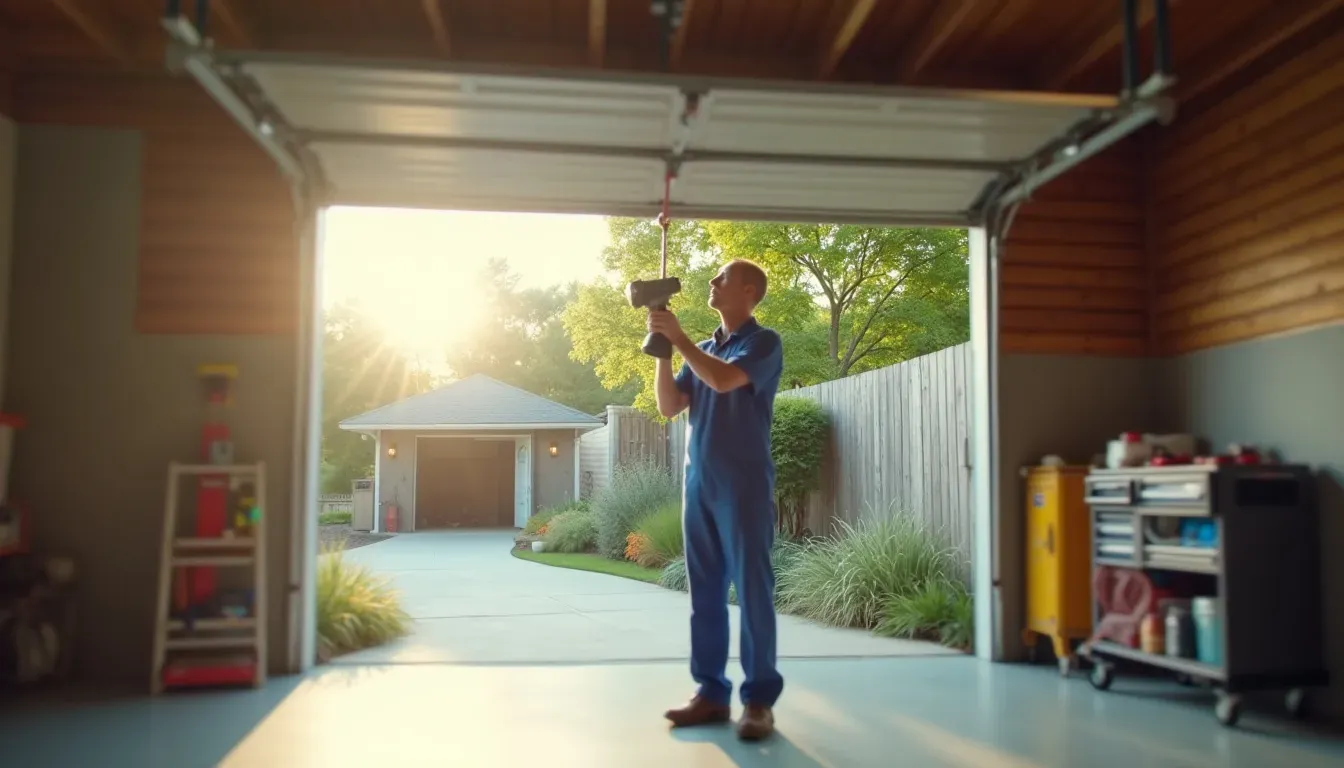
While sticky weather is a common sign of humidity, its impact on your garage door’s wear and tear over time is often underestimated. It concerns the interactions between water vapor and the components of your garage door. These effects accumulate month after month if your door remains without proper maintenance, and then excess moisture can weaken these materials, making your garage door less reliable.
Every door type can be affected by high humidity. Even metal doors aren’t fully resistant. While wooden pieces may swell or warp as a result of water absorption, metal parts may rust. Each of these reactions creates vulnerabilities, leading to issues that affect performance and longevity.
Every door type can be affected by high humidity. Even metal doors aren’t fully resistant. While wooden pieces may swell or warp as a result of water absorption, metal parts may rust. Each of these reactions creates vulnerabilities, leading to issues that affect performance and longevity.
Components of a Garage Door at Risk
Metal hinges and springs are crucial for smooth movement. However, when exposed to moisture, they can corrode and become less efficient. Tracks can also develop rust, making it harder for rollers to glide smoothly, which can lead to all types of strange noises during the operation. However, a squeaky garage door as a result of the humidity effect isn’t the worst-case scenario and can be resolved by professionals. Some malfunctions are more serious and might lead to costly repairs, like garage door opener installation.
Wooden panels add a classic look to garage doors, but they’re particularly sensitive to humidity. Warping and cracking are common, which compromises both appearance and function.
Wooden panels add a classic look to garage doors, but they’re particularly sensitive to humidity. Warping and cracking are common, which compromises both appearance and function.
Garage Door Opener Components: A Closer Look
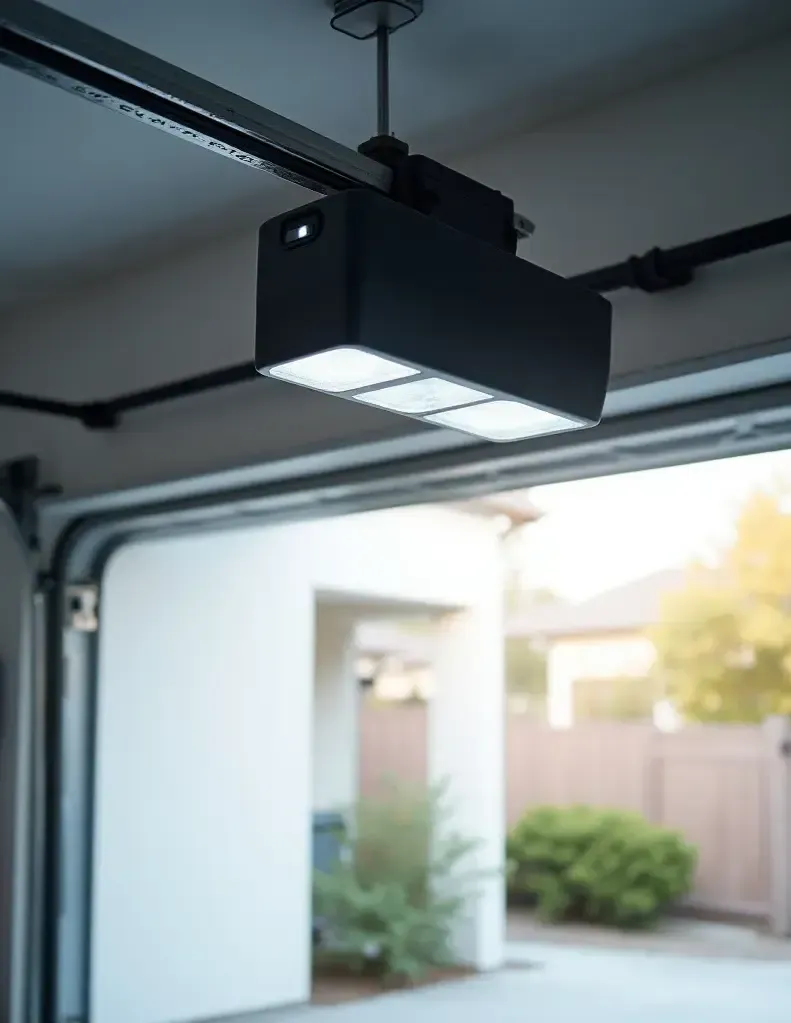
The motor—the heart of the system—relies on dry conditions. Humidity can disrupt electrical connections, causing operational failures. When moisture infiltrates these sensitive areas, it can cause short circuits, reduce the lifespan of wiring, and even lead to complete motor failure if left unchecked.
Routine checks and moisture-proofing measures (sealing exposed wires and using moisture-resistant covers) are simple ways to keep the motor running smoothly. Additionally, you can minimize the chances of the humidity effect from start by investing in a motor with higher moisture tolerance.
Safety sensors, an essential part of garage door opener components, can malfunction if moisture seeps into their circuits, too. This can lead to safety risks. Foggy lenses or water infiltration may prevent the sensors from detecting obstacles, creating potential hazards. Keep the lenses clean and install protective covers to guard against these problems. Similar to motors with higher moisture tolerance, you can get a system with advanced moisture resistance.
Routine checks and moisture-proofing measures (sealing exposed wires and using moisture-resistant covers) are simple ways to keep the motor running smoothly. Additionally, you can minimize the chances of the humidity effect from start by investing in a motor with higher moisture tolerance.
Safety sensors, an essential part of garage door opener components, can malfunction if moisture seeps into their circuits, too. This can lead to safety risks. Foggy lenses or water infiltration may prevent the sensors from detecting obstacles, creating potential hazards. Keep the lenses clean and install protective covers to guard against these problems. Similar to motors with higher moisture tolerance, you can get a system with advanced moisture resistance.
Effects on Overhead Garage Door Components
Tracks and rollers in overhead doors are another part that needs close attention to remain rust-free and work efficiently. Rust buildup creates friction, leading to noisy, jerky movements. This strain forces the motor to work harder, accelerating wear and tear.
Additionally, humidity can weaken cables and springs, disrupting the balance of your garage door. A poorly balanced door is not only inconvenient but also unsafe.
Unfortunately, humidity doesn’t affect just one part of your door. Usually, these types of issues appear simultaneously on many components. They build up gradually, so it might be hard to detect that something is wrong until it’s too late.
Additionally, humidity can weaken cables and springs, disrupting the balance of your garage door. A poorly balanced door is not only inconvenient but also unsafe.
Unfortunately, humidity doesn’t affect just one part of your door. Usually, these types of issues appear simultaneously on many components. They build up gradually, so it might be hard to detect that something is wrong until it’s too late.
Protecting Your Garage Door from Humidity
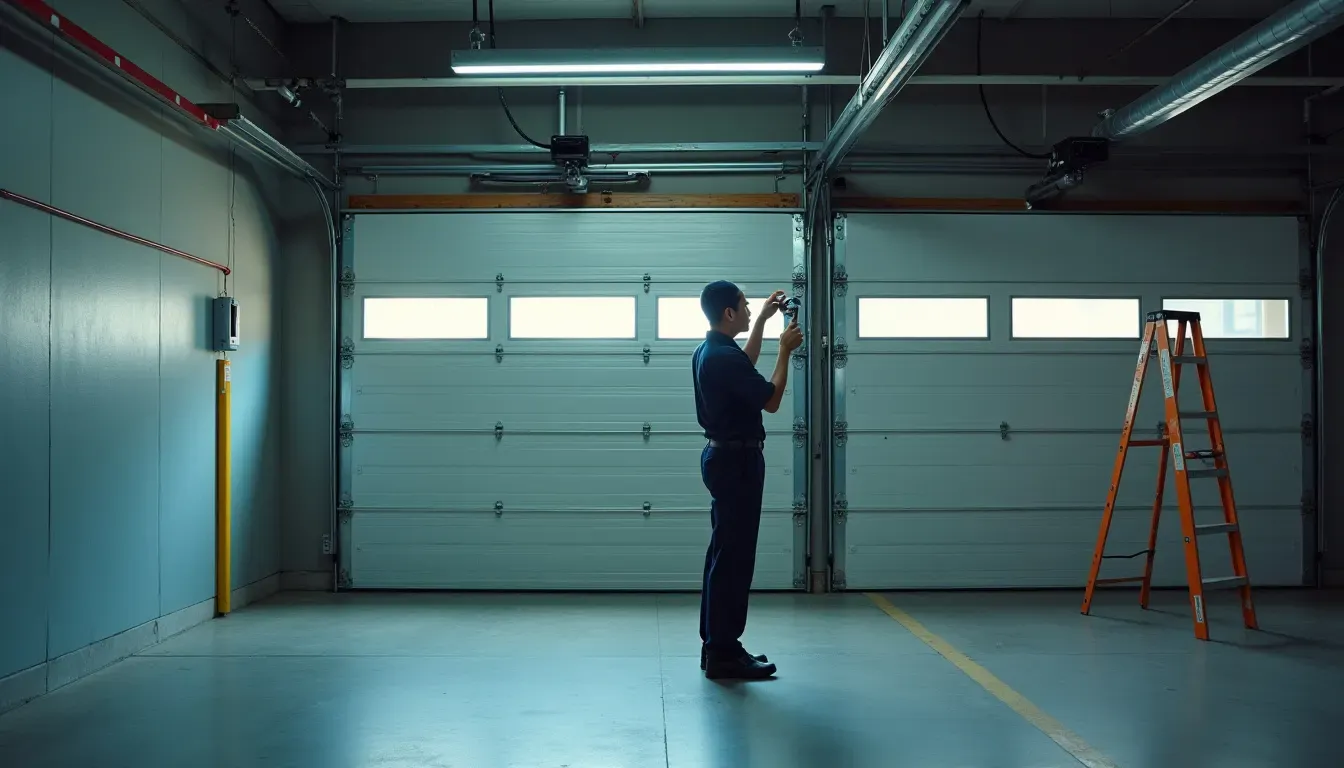
Periodic checks can catch issues early. Lubricating metal parts and tightening screws can help keep your garage door in top shape.
Adding weatherstripping and seals around your door minimizes moisture intrusion. Painting or staining wooden sections adds another layer of protection.
Hiring professionals ensures your door gets the care it needs. They can assess damage, offer repairs, and recommend preventive measures.
Some issues, like minor rust or loose screws, can be repaired. However, extensive damage to garage door components might mean it’s time for a replacement.
Adding weatherstripping and seals around your door minimizes moisture intrusion. Painting or staining wooden sections adds another layer of protection.
Hiring professionals ensures your door gets the care it needs. They can assess damage, offer repairs, and recommend preventive measures.
Some issues, like minor rust or loose screws, can be repaired. However, extensive damage to garage door components might mean it’s time for a replacement.
Modern Solutions to Combat Humidity
Even regular maintenance isn’t a 100% guarantee your door won’t fall to high humidity. However, you can integrate leading-edge solutions. For example, smart sensors can detect humidity levels and alert you before damage occurs. These tools are invaluable for modern garage care.
Integrating smart systems not only boosts convenience but also adds advanced monitoring features. You’ll know when humidity starts to affect your door. If you don’t know how to make your door smart, contact us at 24H Garage Doors. We’re always ready to provide you with state-of-the-art solutions for your garage door.
Integrating smart systems not only boosts convenience but also adds advanced monitoring features. You’ll know when humidity starts to affect your door. If you don’t know how to make your door smart, contact us at 24H Garage Doors. We’re always ready to provide you with state-of-the-art solutions for your garage door.
Summing Up
Humidity doesn’t have to spell trouble for your garage door. By understanding the risks and taking preventive steps, you can keep your door in excellent condition for years to come. Whether it’s through regular maintenance or adopting smart solutions, a little effort goes a long way in protecting your investment.
Frequently Asked Questions
Which parts of my garage door are most vulnerable to humidity?
Metal hinges and springs can corrode and become less efficient when exposed to moisture, and tracks can develop rust that makes it harder for rollers to glide smoothly. Wooden panels are particularly sensitive and are prone to warping and cracking. The opener's motor and safety sensors are also at risk, since moisture can disrupt their electrical connections and circuits.
Are homeowners in coastal areas more affected by humidity issues?
Yes, homeowners in coastal areas should pay extra attention to humidity's impact in order to avoid frequent garage door services. High humidity can affect every door type, and the effects of moisture accumulate month after month if the door is not properly maintained. Over time this excess moisture can weaken materials and make the door less reliable.
How can moisture cause my garage door opener to stop working?
The motor is the heart of the system and relies on dry conditions to run properly. Humidity can disrupt electrical connections and cause short circuits, reduce the lifespan of wiring, and even lead to complete motor failure if left unchecked. Safety sensors can also malfunction when moisture seeps into their circuits, and foggy lenses may prevent them from detecting obstacles.
What can I do to protect my garage door from moisture damage?
You can protect the motor with routine checks and moisture-proofing measures, such as sealing exposed wires and using moisture-resistant covers. For the safety sensors, keep the lenses clean and install protective covers to guard against foggy lenses and water infiltration. Investing in a motor and system with higher moisture tolerance also helps minimize humidity's effects.