Your garage door plays a big role in your home’s security, convenience, and peace of mind. However, like any mechanical system, it’s bound to wear out over time. Understanding what the most common garage door repair is and how to avoid it can help you save time, money, and stress. From routine maintenance to knowing when to call a professional, this guide covers everything you need to keep your garage door in great shape.
The Most Common Garage Door Repairs and How to Avoid Them
Published: Mar 26, 2025 | Updated: Jul 28, 2026
Common Garage Door Repairs
Over time, garage doors experience wear and tear, leading to common issues including broken springs, misaligned tracks, and malfunctioning openers. Let’s take a closer look at some common repairs homeowners face.
Broken Springs: Why They Fail and How to Spot It
Garage door springs handle most of the heavy lifting, supporting the door’s weight as it opens and closes. Over time, they wear out and become one of the most common garage door repairs.
How can you tell they’re worn out? The most common are rust, coil gaps, or a door that feels heavier to lift manually. If you notice these issues, don’t try to fix them yourself. Springs are under high tension and can cause serious injuries. Call a professional to replace them safely.
Damaged Rollers and Hinges: Little Problems That Cause Big Problems
Rollers and hinges help your garage door move smoothly and quietly. Worn-out rollers and hinges often lead to jerky movements or loud grinding noises. For example, you might hear your door groaning or notice it sticking halfway through its cycle—this could be a sign that the rollers or hinges need some care. To avoid issues, include roller and hinge lubrication in your garage door maintenance and check for cracks or bends every few months.
Garage Door Opener Problems: Tech Issues You Can’t Ignore
The garage door opener acts as the system’s brain. If it fails, the entire door may stop working.
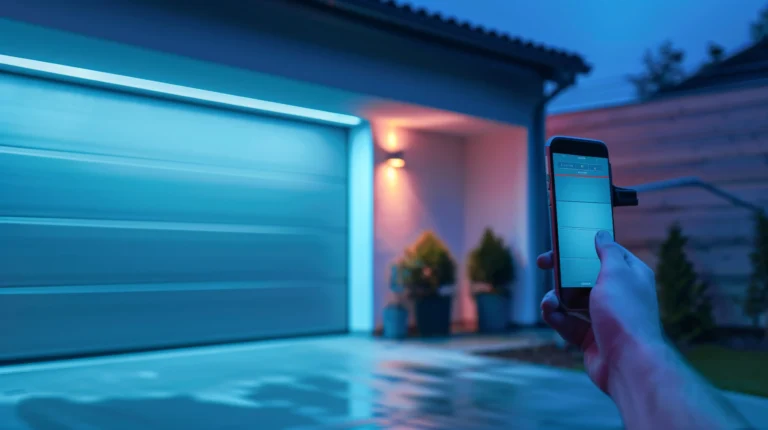
Don’t panic. If your remote isn’t working, the door behaves unpredictably, or you hear grinding noises from the motor, start by checking your remote’s batteries and ensuring the opener is plugged in. If that doesn’t fix the problem, it’s time to call garage door services for a professional diagnosis and repair.
Misaligned Tracks: A Problem You Can’t Ignore
Garage door tracks guide the door up and down, and proper garage door tracks maintain stability and ensure smooth operation. Misaligned or damaged tracks are the usual suspects. Look for signs of misalignment, like gaps between the rollers and tracks or unusual noises when in operation. Regularly checking your tracks might seem simple, but it’s crucial for stability. They keep the door stable and prevent damage to other system parts.
Frayed or Broken Cables: The Silent Threat
Cables work with springs to balance your garage door. Frayed or broken cables can compromise your garage door’s functionality and safety. Suppose you notice visible fraying, rust, or the door moving unevenly. In that case, it’s best to call a professional to inspect and replace the cables to avoid accidents.
Why DIY Garage Door Repairs Can Be Risky
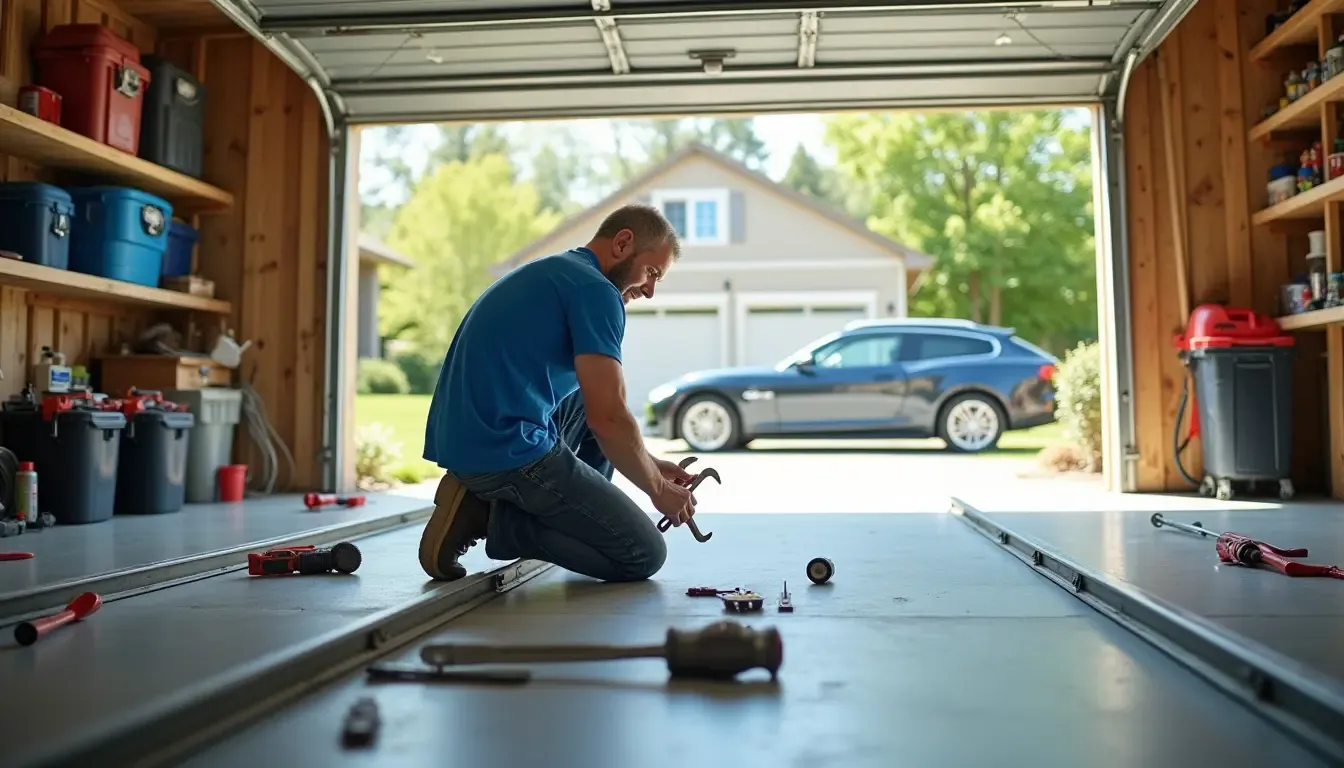
DIY garage door repairs might seem cost-saving, but they carry significant risks. From dealing with high-tension springs to heavy components, these repairs often require specialized tools and expertise. Doing them yourself can lead to injuries, further damage, or costly mistakes. Here are some common risks to be aware of when attempting DIY garage door repairs.
Spring-Related Injuries: The High Tension Danger
Garage door springs operate under extreme tension, making them dangerous to handle without the proper tools or knowledge. Even a small mistake during a repair or replacement can cause the spring to snap, leading to serious issues. Spring-related accidents are among the most common injuries with DIY garage door repairs, so these should be approached with caution or done by someone with experience.
Pinched Fingers, Falls, and Other Risks
Repairing a garage door can be tricky, often requiring heavy lifting and awkward positions, which increases the risk of falls and hand injuries. Pinched fingers are common, especially when homeowners try to adjust tracks or fix rollers without the right tools. Be cautious and know when to ask for help from someone experienced.
Cables Under Pressure: A Hidden Hazard
Frayed or damaged garage door cables are a major safety risk. Since they’re under high tension, they can snap and cause serious injuries or damage to nearby objects. Repairing them without the right tools or knowledge is risky, so let someone experienced do the job.
How to Prevent the Need for Repairs
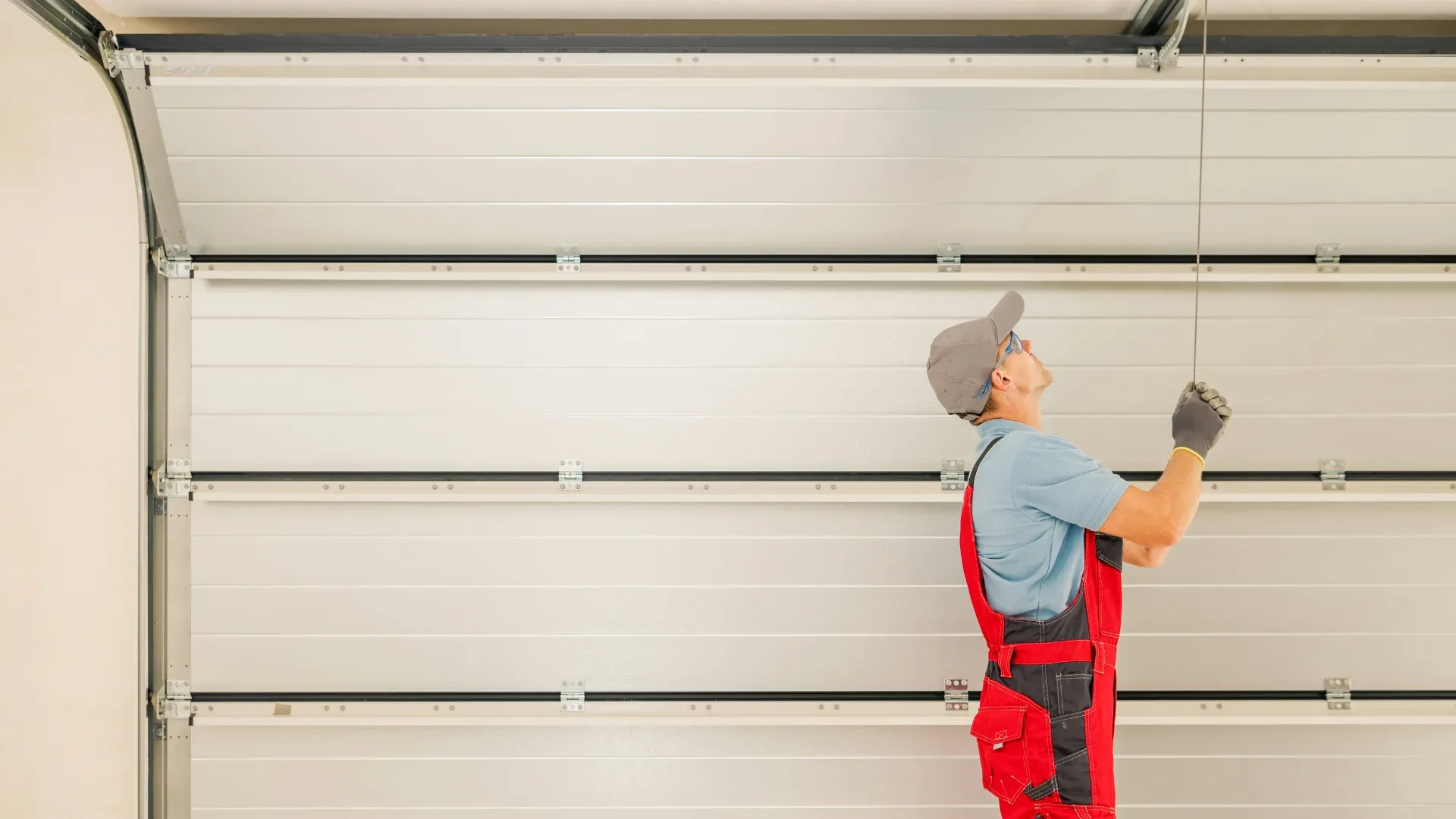
Taking care of your garage door doesn’t have to be hard. With simple habits, you can reduce wear and tear, avoid repairs, and keep your door running smoothly.
Begin with regular upkeep by adding track, roller, and hinge inspections to your garage door maintenance checklist, checking monthly for rust, dirt, or misalignment. Catch these small problems early, and your garage door will be in great shape, and you’ll save time and money.
Another key step is lubrication. Regularly apply a silicone-based lubricant to the hinges, rollers, and tracks every 3-6 months to minimize wear, reduce noise, and keep everything working smoothly.
Don’t forget to check the safety sensors—they prevent accidents. Still, dirt or misalignment can cause them to stop working properly. Wipe them down with a soft cloth and their alignment regularly to ensure proper function.
These simple steps will keep your garage door safe and reliable.
Another key step is lubrication. Regularly apply a silicone-based lubricant to the hinges, rollers, and tracks every 3-6 months to minimize wear, reduce noise, and keep everything working smoothly.
Don’t forget to check the safety sensors—they prevent accidents. Still, dirt or misalignment can cause them to stop working properly. Wipe them down with a soft cloth and their alignment regularly to ensure proper function.
These simple steps will keep your garage door safe and reliable.
When to Call a Professional Before Issues Escalate
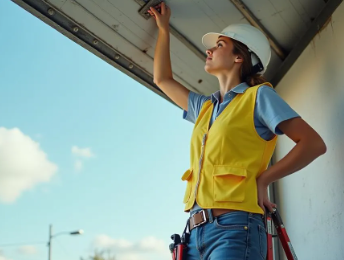
Certain garage door problems are best handled by professionals, particularly issues involving broken springs or frayed cables that require specialized tools and expertise. These parts are under high tension and can be dangerous to handle without proper training. If you notice signs of damage, including uneven movement, loud noises, or visible wear, it’s time to call a professional. Addressing these issues as soon as possible can prevent further damage and ensure safe, efficient repairs.
Summing up
Your garage door is an essential part of your home, and keeping it in good condition doesn’t have to be complicated. Knowing the common repairs, the risks of DIY fixes, and sticking to simple habits will save you time, money, and stress. Regular inspections, lubrication, and sensor checks go a long way in preventing wear and tear. But it’s always better to call a pro for complex issues like broken springs or frayed cables.
If you are dealing with a garage door issue or have questions about maintenance, contact 24H Garage Door Services. With the right care and professional support, you can keep your garage door functioning safely and reliably for years.
If you are dealing with a garage door issue or have questions about maintenance, contact 24H Garage Door Services. With the right care and professional support, you can keep your garage door functioning safely and reliably for years.
Frequently Asked Questions
How can I tell if my garage door springs are worn out?
Garage door springs handle most of the heavy lifting and are one of the most common repairs. The most common signs they are worn out are rust, coil gaps, or a door that feels heavier to lift manually. Because springs are under high tension and can cause serious injuries, you should not try to fix them yourself and should call a professional to replace them safely.
What causes my garage door to make grinding or jerky movements?
Worn-out rollers and hinges often lead to jerky movements or loud grinding noises, such as groaning or the door sticking halfway through its cycle. To avoid this, include roller and hinge lubrication in your maintenance and check for cracks or bends every few months. Grinding noises from the motor can also point to a garage door opener problem.
What should I do first if my garage door opener stops working?
The opener acts as the system's brain, so if it fails the entire door may stop working. If your remote is not working, the door behaves unpredictably, or you hear grinding from the motor, start by checking your remote's batteries and making sure the opener is plugged in. If that does not fix the problem, it is time to call garage door services for a professional diagnosis and repair.
Why are DIY garage door repairs considered risky?
DIY repairs might seem cost-saving, but they carry significant risks because they often involve high-tension springs and heavy components. These jobs frequently require specialized tools and expertise, and doing them yourself can lead to injuries, further damage, or costly mistakes. For issues like broken springs or frayed cables, the guide recommends calling a professional to inspect and replace parts safely.