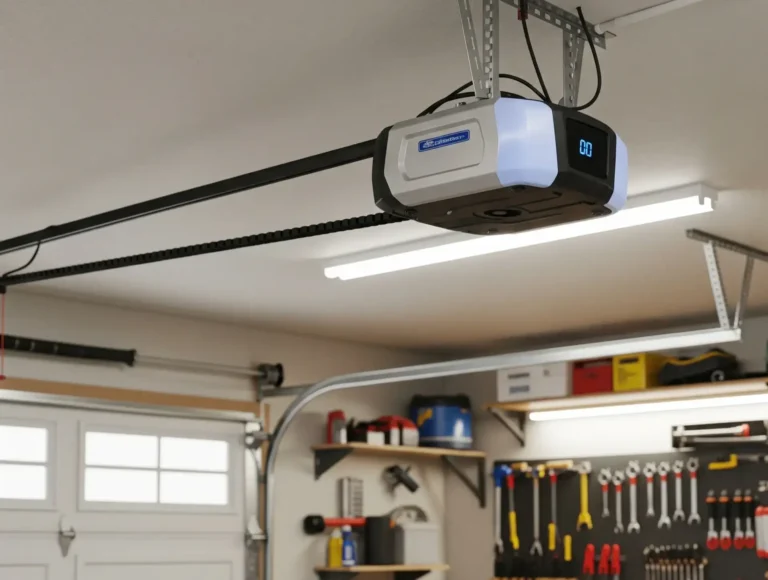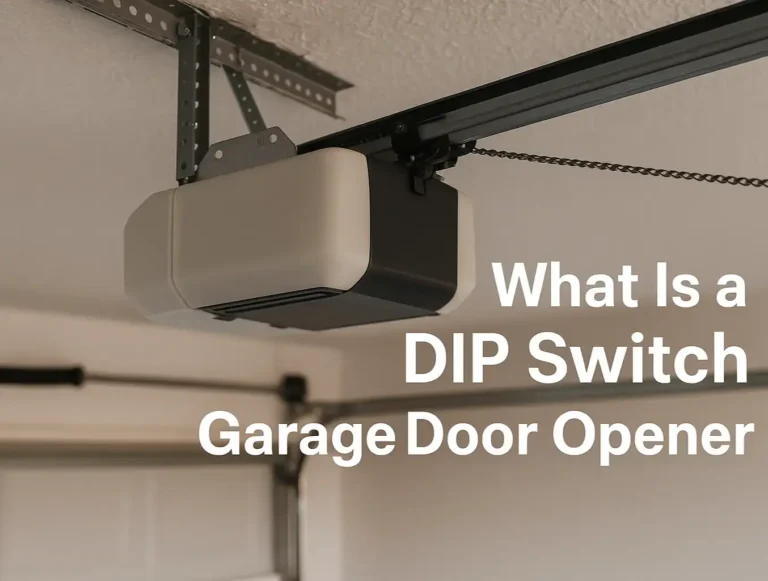
If your garage shares a wall with a bedroom or sits just below a living space, opener noise becomes more than a minor annoyance. Some openers are built with silence in mind, using specific materials and motor types to reduce sound. If you’ve ever searched online for “what is the most quiet garage door opener,” you’re not alone — especially if your current one shakes the walls every time it runs. This quick guide walks you through the quietest options available today — and what features to look for if you’re aiming for a more peaceful open and close.
What Is the Quietest Garage Door Opener: A Guide to Silent, Smooth Operation
Published: Jul 2, 2025 | Updated: Jul 28, 2026
How to Choose the Quietest Garage Door Opener
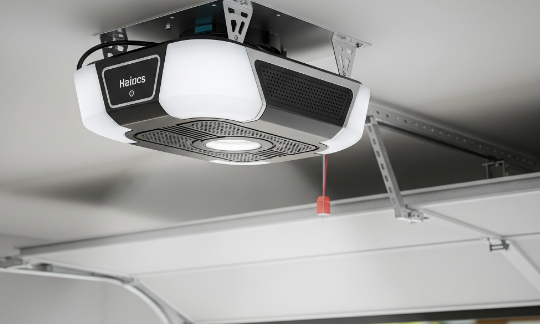
Noise levels vary a lot between garage door openers. If reducing noise is your priority, certain features matter more than others. Here’s what to look for when comparing models:
Is It Time to Upgrade or Repair?
If your current garage door opener is loud, old, or jerky in motion, it might be time to upgrade to something quieter and more efficient. In some cases, replacing worn-out parts or realigning components can restore performance. However, when age, outdated design, or motor wear is the issue, a full replacement may be the smarter choice. If the issue seems mechanical or sensor-related, consider starting with a garage door opener repair to rule out a simple fix before committing to a full replacement.
Wrapping Up
So, what is the quietest garage door opener for most homes? A belt drive model with a DC motor and modern noise-reducing features typically offers the quietest, smoothest operation — ideal for garages near bedrooms or shared living spaces.
If you’re considering an upgrade for comfort, convenience, or both, 24H Garage Doors provides expert garage door opener installation and can help you choose a model that fits your space and noise-level needs. Feel free to reach out anytime you need our services.
If you’re considering an upgrade for comfort, convenience, or both, 24H Garage Doors provides expert garage door opener installation and can help you choose a model that fits your space and noise-level needs. Feel free to reach out anytime you need our services.
Frequently Asked Questions
Which drive type is the quietest for a garage door opener?
Belt drive openers are the quietest option available. They use a flexible rubber belt instead of a metal chain, which helps eliminate rattling and metal-on-metal noise. Chain and screw drives are louder and are better suited for detached garages where sound isn't a concern.
Does the motor type affect how loud my opener is?
Yes. DC motors run much quieter than traditional AC motors. They also allow for a soft start and stop, meaning your door opens and closes more smoothly with less jolt or grind.
What features help cut down on vibration and noise?
Look for openers that include insulated brackets, rubber-lined mounts, enclosed motors, or nylon-reinforced belts. These features help reduce vibration, which is one of the biggest sources of noise in overhead systems.
Should I repair my noisy opener or replace it entirely?
If your current opener is loud, old, or jerky in motion, it might be time to upgrade to something quieter and more efficient. In some cases, replacing worn-out parts or realigning components can restore performance. However, when age, outdated design, or motor wear is the issue, a full replacement may be the better choice.