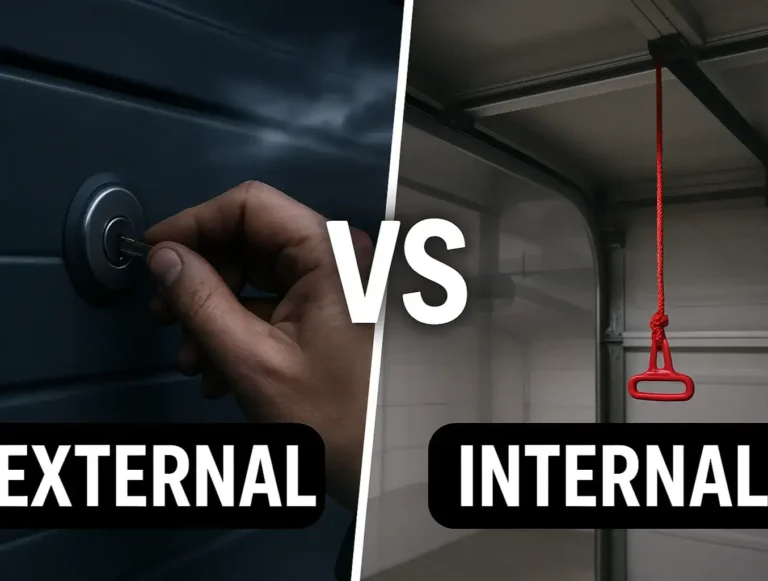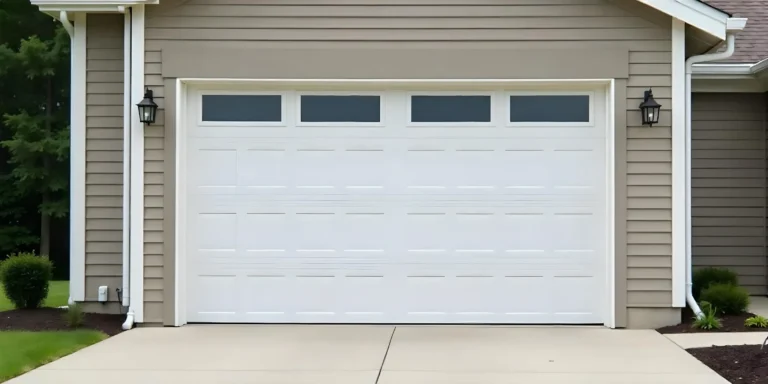
You’ve probably done it a hundred times. You need to grab a rake from the garage, so you press the button, wait for the entire overhead door to rumble its way open, slip inside, and close it again. It feels like a lot of work (and noise) just to get one small thing.
That’s when the thought strikes: “What if I could just have a small door inside my big garage door?”
This brilliant idea, known as an integrated pedestrian door (or wicket door), promises incredible convenience. But as many homeowners discover, it introduces a world of cost, complexity, and critical safety considerations. Is it the perfect solution for your home, or a design trap you should avoid?
This guide cuts through the confusion. We’ll give you the unbiased facts, explain the non-negotiable safety features, and break down the real costs so you can decide if a walk-through garage door is truly right for you.
The Ultimate Guide to Pedestrian Garage Doors
Published: Feb 17, 2026 | Updated: Jul 28, 2026
What Exactly Is a Pedestrian Garage Door? Decoding the Terminology
First, let’s clear up the language. You’ll hear these doors called “pedestrian doors,” “wicket doors,” “man doors,” or “pass-through doors.” While often used interchangeably, there are important distinctions that impact cost, installation, and aesthetics.
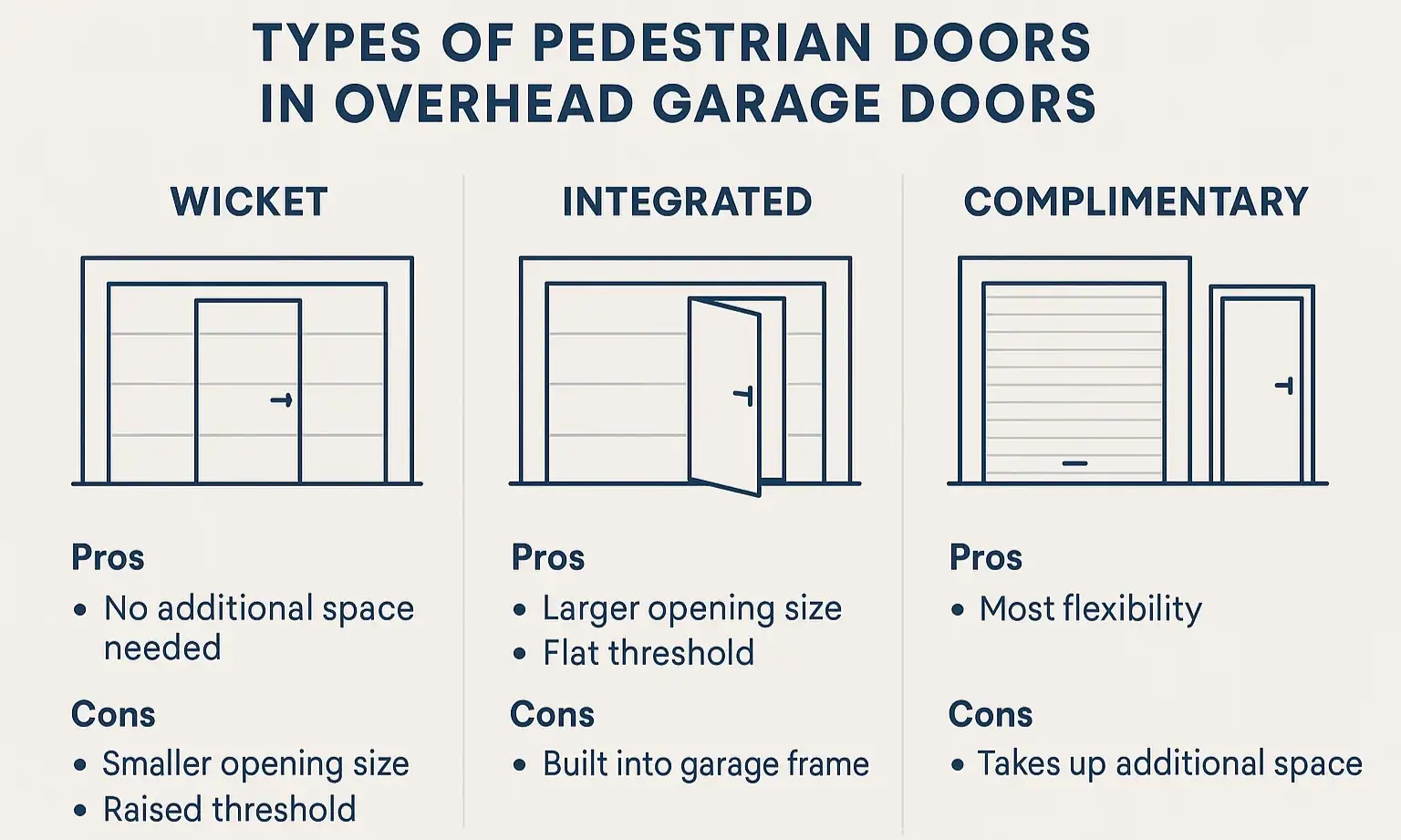
The term “pedestrian door” is a broad category for any walk-through access in or near your garage door. They generally fall into three types:
The term “pedestrian door” is a broad category for any walk-through access in or near your garage door. They generally fall into three types:
For the rest of this guide, we’ll focus primarily on the Wicket Door, as it’s the most unique and requires the most careful consideration.
The Unbiased Pros and Cons of a Wicket Garage Door
Online searches often show a confusing mix of opinions, from companies that love them to those who refuse to install them. Let’s create a balanced picture.
The Clear Advantages (The “Pros”)
The Significant Drawbacks (The “Cons”)
The Critical Details You Absolutely Cannot Ignore
If you’re still considering a wicket door, understanding these next three points is essential for a safe and successful project.
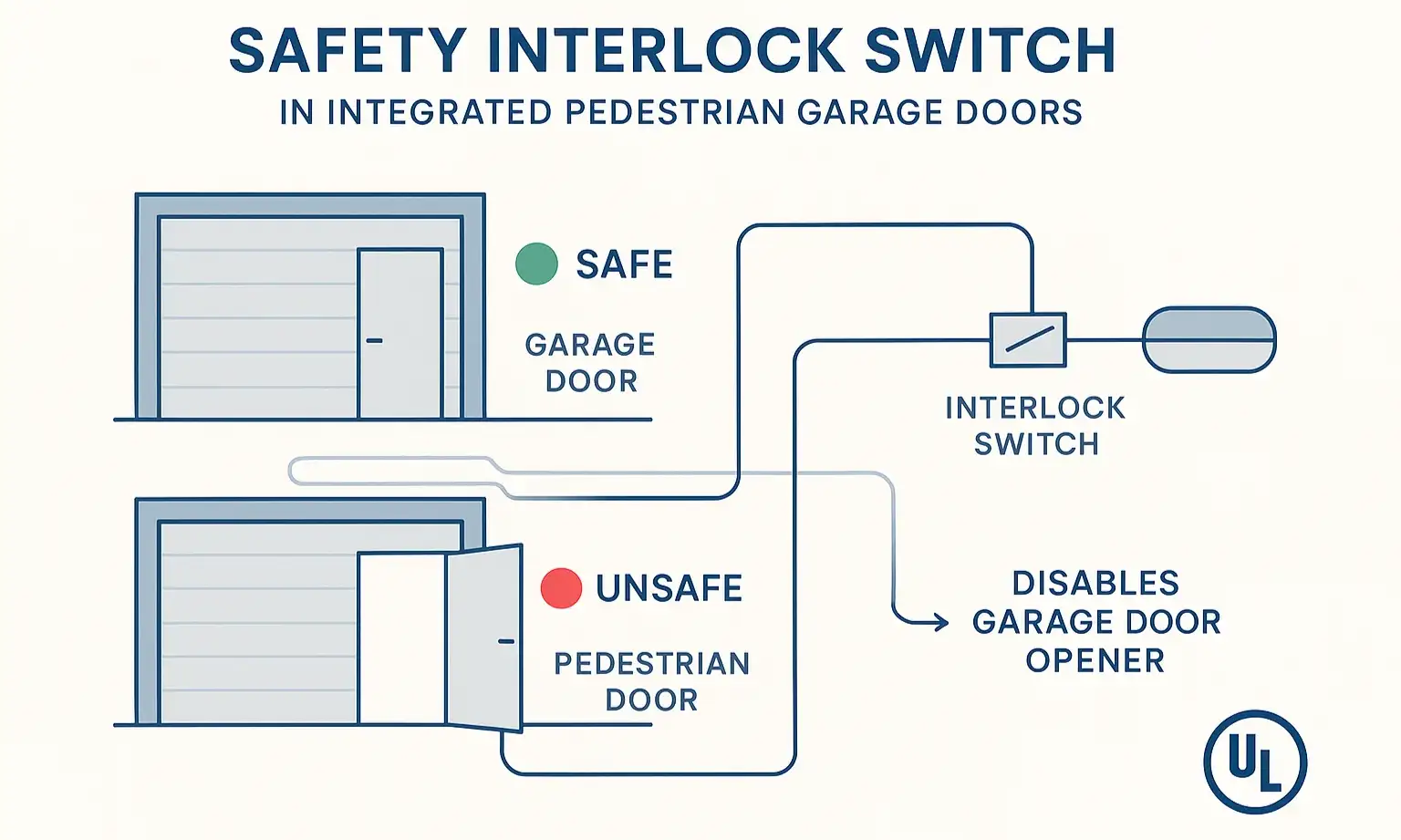
a. Safety First: The Non-Negotiable Interlock Switch
Here’s the most important concept to grasp: you cannot have a wicket door on an automated garage door without a safety interlock switch (also called a cutout switch).
What it does: This is a sensor that detects whether the wicket door is closed and latched. If the wicket door is even slightly open, the switch cuts power to the garage door opener, preventing the main door from moving. This simple device prevents the wicket door from catching on the frame, ripping the door apart, and destroying the motor.
Common Mistake Alert: Some homeowners or unqualified installers might try to save money by skipping this feature. This is a disastrous idea that creates an immense safety hazard and will void your door’s warranty. If a company suggests you don’t need one, that’s a major red flag.
b. The Cost Breakdown: Why Are Wicket Doors So Expensive?
It’s easy to get sticker shock when you see the price. The high cost isn’t just for the small door itself; it’s a combination of specialized components and labor.
Expecting to pay a premium for a properly installed, safe system is realistic and necessary.
c. Installation & Retrofitting: The “Can You Add One Later?” Question
This is one of the most common questions homeowners ask. Can you cut a hole in your existing garage door and add a wicket door?
The short answer is: It’s not recommended.
While technically possible for a highly skilled professional, retrofitting is strongly discouraged by most manufacturers and installers for several reasons:
Is a Pedestrian Door Right for You? A Decision Checklist
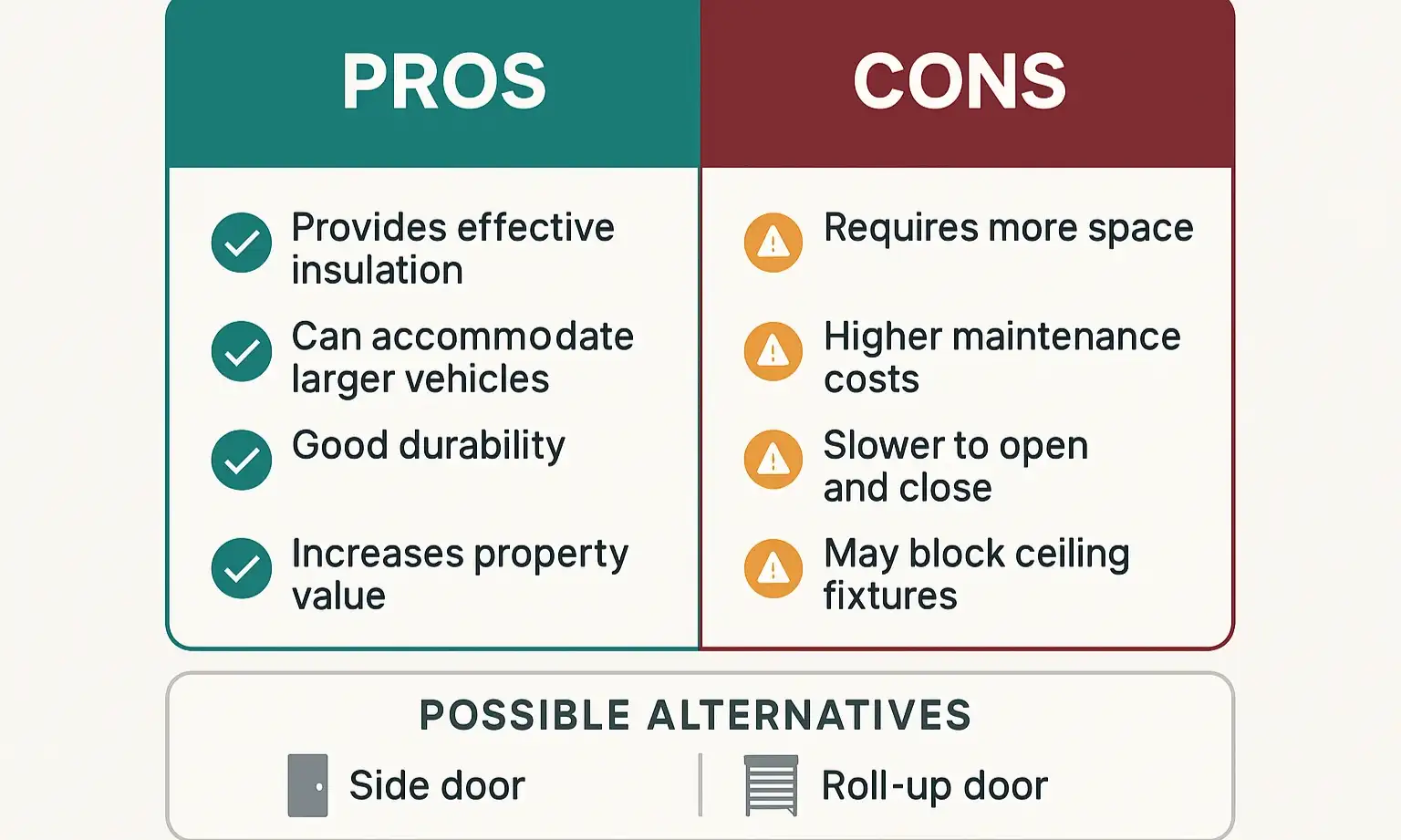
So, how do you make the final call? Use this checklist to weigh the factors against your personal needs.
A Wicket Door might be a great choice if:
A Wicket Door might be a great choice if:
You should probably consider alternatives if:
Exploring alternatives is always a smart move. Besides a standard entry door, some homeowners find that a space-saving roll up garage door can be a good solution for unique garage spaces.
Frequently Asked Questions
Does a wicket door affect my garage door opener?
Yes. It requires the installation of a safety interlock switch. This switch will prevent the opener from working if the wicket door is open. The added weight and reinforcement may also require you to ensure your opener motor is strong enough. It’s always best to consult with a professional; understanding who installs garage door openers and their expertise with these systems is crucial.
What is the minimum garage door size for a wicket door?
This varies by manufacturer, but generally, wicket doors are only available for doors that are at least 8 feet wide and 7 feet high. The door needs to be wide enough to accommodate the wicket door without compromising the structural integrity of the end stiles.
Are wicket doors secure?
When installed correctly, they are as secure as a standard entry door. They come with their own deadbolt and locking systems. However, the quality of the lock and installation is key.
Can I get a wicket door with windows?
Yes, many manufacturers offer wicket doors with windows, and they can also be installed in garage doors that have a row of windows. This can impact the overall cost and insulation value.
By arming yourself with this knowledge, you can move past the initial “wow” factor and make a practical, informed decision. A wicket door can be a fantastic, convenient feature, but only when its costs, complexities, and safety requirements are fully respected.
Frequently Asked Questions
Does a wicket door affect my garage door opener?
Yes. It requires the installation of a safety interlock switch. This switch will prevent the opener from working if the wicket door is open. The added weight and reinforcement may also require you to ensure your opener motor is strong enough. It's always best to consult with a professional; understanding who installs garage door openers and their expertise with these systems is crucial.
What is the minimum garage door size for a wicket door?
This varies by manufacturer, but generally, wicket doors are only available for doors that are at least 8 feet wide and 7 feet high. The door needs to be wide enough to accommodate the wicket door without compromising the structural integrity of the end stiles.
Are wicket doors secure?
When installed correctly, they are as secure as a standard entry door. They come with their own deadbolt and locking systems. However, the quality of the lock and installation is key.
Can I get a wicket door with windows?
Yes, many manufacturers offer wicket doors with windows, and they can also be installed in garage doors that have a row of windows. This can impact the overall cost and insulation value.