Have you ever looked at your garage door and wondered: how does a garage door spring work? Or perhaps you’ve asked: what does a garage door spring do? It’s easy to take your garage door for granted. One moment, it’s a heavy, solid barrier; the next, it glides open effortlessly with the push of a button. The secret behind this smooth operation isn’t just your opener, but the powerful springs that do the heavy lifting. In this article, 24H Garage Doors takes a closer look at their purpose and explains the clever way they help handle the door’s great weight, making your daily life a little easier.
How Does a Garage Door Spring Work to Lift the Door
Published: Nov 11, 2025 | Updated: Jul 28, 2026
Understanding Torsion Springs: How Do Garage Door Springs Work Above Your Door?
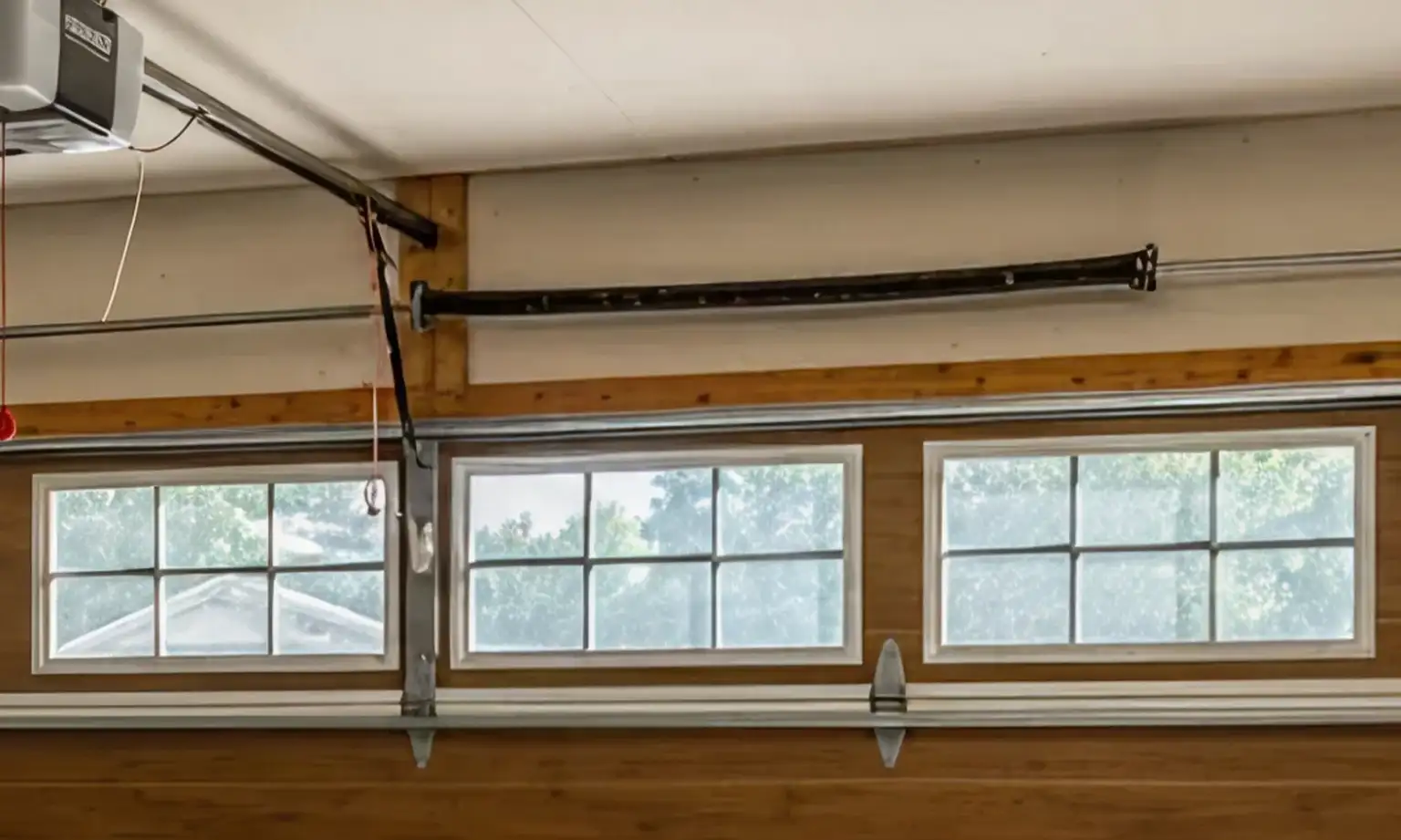
Torsion garage door springs are the most common type found on modern residential doors. You’ll see them as tightly wound coils of metal mounted horizontally on a shaft directly above your garage door opening. When the door closes, these springs wind up, storing a lot of twisting power. As the door opens, they unwind, releasing that stored power to counterbalance the garage door’s weight. This clever design allows the door to move smoothly and reduces strain on your garage door opener. If you’re curious how to extend the life of your garage door springs, 24H Garage Doors created a useful guide with maintenance tips.
Extension Springs: What Do Garage Door Springs Do Along the Tracks?
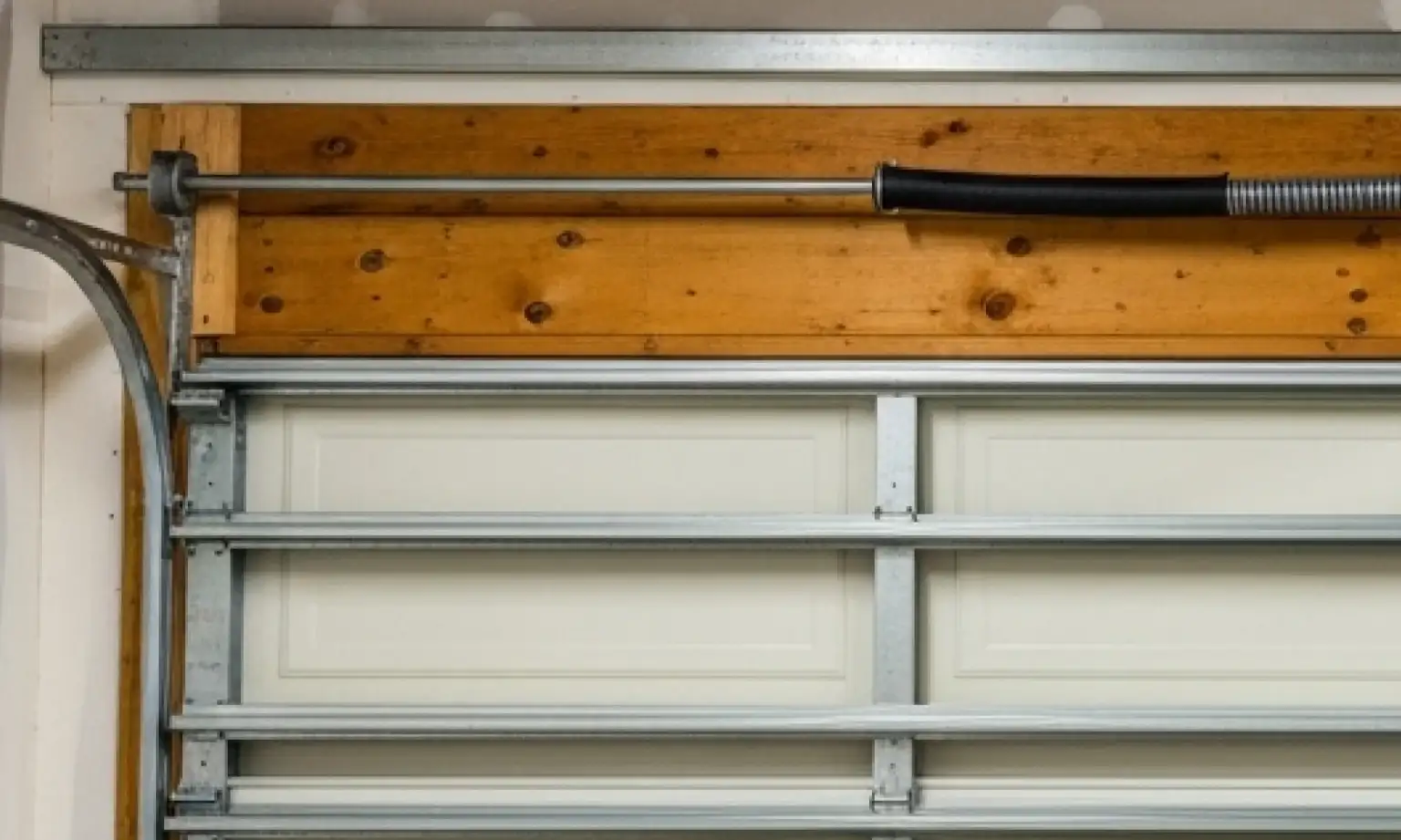
The other main type of spring you might see on garage door systems is the extension spring. Unlike torsion springs, these are long, stretched coils that run horizontally along the upper tracks on both sides of your garage door. So, how do garage door springs work in this setup? As the door closes, extension springs stretch, storing energy. When the door opens, they pull back, using that stored energy to help lift the door. Extension springs are typically paired with safety cables that run through the center of the spring. These cables are an important safety feature, designed to contain the spring if it breaks, preventing it from whipping dangerously around the garage.
The Essential Job of All Garage Door Springs
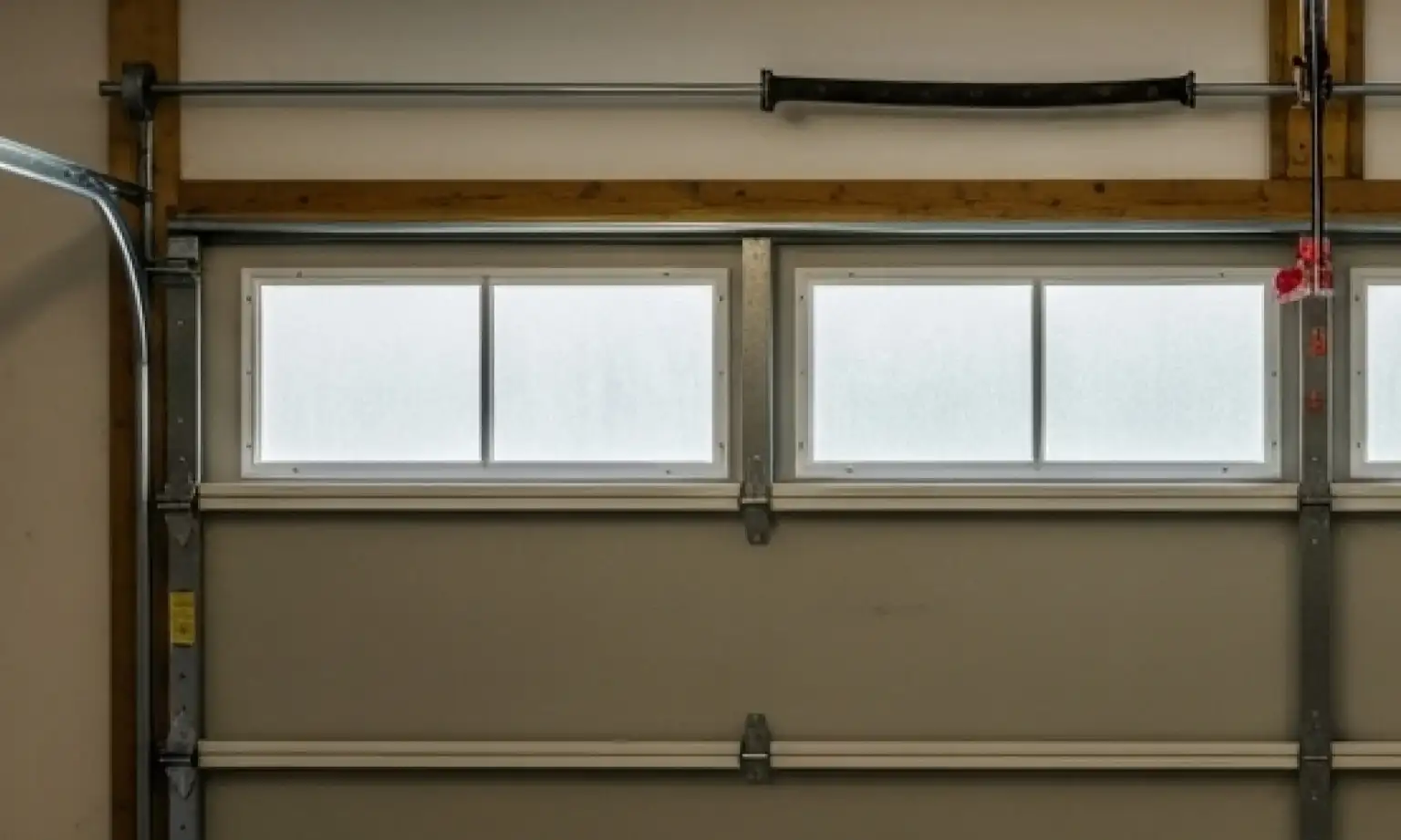
No matter whether your system uses torsion or extension springs, the main job of all garage door springs is always the same: to perfectly balance the garage door’s weight. This balance makes the heavy door feel light, allowing it to be easily lifted manually or with minimal effort from your garage door opener. Without properly functioning springs, your garage door would be incredibly heavy, dangerous, and almost impossible to operate smoothly. If you notice your door feeling heavier than usual, moving unevenly, or not staying open, it’s a clear sign your garage door springs might need professional attention.
Wrapping Up: Why Understanding Your Springs Matters
Knowing how garage door springs work offers valuable insight into the mechanics of your home. This understanding highlights why they are under such high tension and why their proper operation, maintenance, and repair are truly essential for both safety and daily convenience. If your springs show any signs of wear, damage, or simply aren’t working as they should, professional garage door spring repair is the safest and most reliable solution. The team at 24H Garage Doors has years of experience and the right skills to resolve all garage door issues you might face. Reach out anytime — we’re ready when you are.
Frequently Asked Questions
How do springs make a heavy garage door so easy to open?
The springs counterbalance the door's weight, which makes the heavy door feel light so it can be lifted manually or with minimal effort from the opener. As the door moves, the springs store and release energy to handle most of the load. Without properly functioning springs, the door would be incredibly heavy, dangerous, and almost impossible to operate smoothly.
Where are torsion springs located and how do they operate?
Torsion springs are the most common type on modern residential doors and appear as tightly wound coils of metal mounted horizontally on a shaft directly above the door opening. When the door closes, they wind up and store twisting power, and as the door opens they unwind to release that power and counterbalance the door's weight. This design lets the door move smoothly and reduces strain on the opener.
How are extension springs different, and what is the safety cable for?
Extension springs are long, stretched coils that run horizontally along the upper tracks on both sides of the door. As the door closes they stretch to store energy, and when it opens they pull back to help lift the door. They are typically paired with safety cables running through the center of the spring, which are designed to contain the spring if it breaks and prevent it from whipping dangerously around the garage.
How can I tell if my garage door springs are failing?
If your door feels heavier than usual, moves unevenly, or does not stay open, that is a clear sign the springs may need professional attention. Because springs are under such high tension, any signs of wear or damage should be handled by a professional. Garage door spring repair is the safest and most reliable solution in those situations.