Garage keypads don’t last forever. Most units work reliably for 10–15 years, but exposure to weather, daily use, or worn-out wiring can cause issues earlier. If the keypad doesn’t respond consistently, the numbers are worn, or you’ve recently changed the opener system, it’s probably time to upgrade. Let’s learn together how to replace a garage door keypad.
How to Replace a Garage Door Keypad: Simple Steps for a Smooth Replacement
Published: Jun 13, 2025 | Updated: Jul 28, 2026
What You’ll Need for the Job
If you’re ready to get into how to replace your garage door keypad, start with the right tools. First, check that your new keypad matches your opener brand. Then grab a Phillips-head screwdriver, maybe a step ladder if the keypad’s mounted high, and possibly a drill for new holes. For battery-operated models, keep fresh batteries on hand. That’s your starter pack for keypad success.
Step-by-Step: How to Replace a Garage Door Keypad
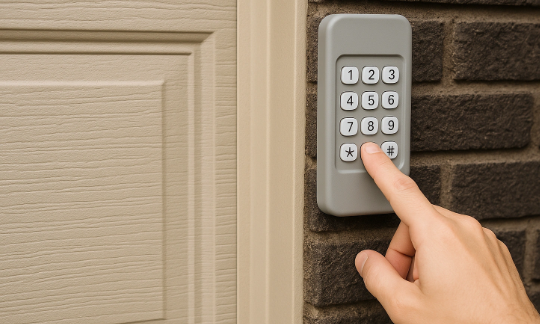
So, you grab all the necessary tools and are ready to learn how to replace your garage keypad. Replacing might sound tricky, but it’s easier than you’d think, so take a deep breath and let’s start.
Disconnect the Power
First, turn off the power to your opener. It’s a simple but important step that protects you during the install.
Remove the Old Keypad
Use the screwdriver to remove the screws holding the old keypad to the wall or frame. If it’s a hardwired model, gently disconnect the wires.
Install the New Keypad
Hold the new keypad where you want it mounted and mark the screw holes. If they don’t line up with the old ones, drill new holes. Secure it with screws. If the model is battery-powered, insert new batteries before mounting.
Connect the Wiring
If your new keypad model uses wires, connect them to the terminals following the manufacturer’s instructions. Make sure each connection is tight and clean.
Program the Keypad
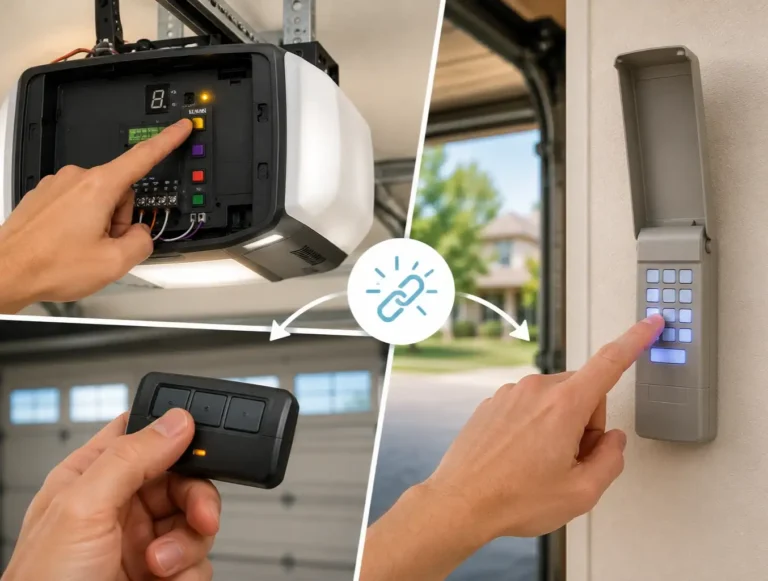
Now it’s time to program your keypad. This step will vary based on your opener model, but usually involves holding the “learn” button on your opener until a light flashes, then entering your new code on the keypad. If you run into any snags, check out the full guide on how to reprogram a garage door keypad.
Test the Keypad
Enter the code and confirm that your door opens and closes as expected. If something’s not working, go back and check the code entry or wiring. This final test confirms you’ve learned how to replace garage door opener keypad hardware correctly.
Tips for a Cleaner Installation
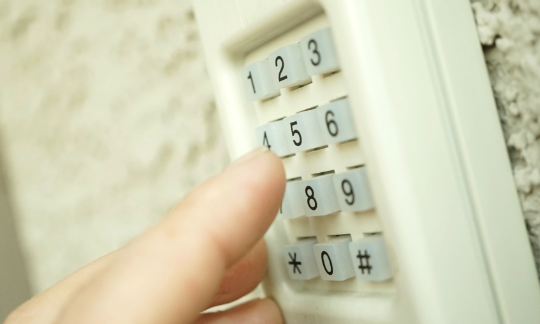
Good placement matters. Before you install your garage door keypad, here are a few things to double-check for convenience, security, and durability.
Mount the keypad in a weather-protected spot at a height that suits daily use. Keep it low enough for the family to reach, but not so low that the curious kid starts guessing your code. Speaking of that, write the code down somewhere safe, just not taped to the unit.
If your current system involves outdated wiring or unusual configurations, it may be more efficient to involve a specialist. Whether you want support on how to change a garage door keypad or you’re planning a full garage door opener installation, professionals are equipped to get it done quickly and with care.
Mount the keypad in a weather-protected spot at a height that suits daily use. Keep it low enough for the family to reach, but not so low that the curious kid starts guessing your code. Speaking of that, write the code down somewhere safe, just not taped to the unit.
If your current system involves outdated wiring or unusual configurations, it may be more efficient to involve a specialist. Whether you want support on how to change a garage door keypad or you’re planning a full garage door opener installation, professionals are equipped to get it done quickly and with care.
Summing Up
Upgrading usually makes our lives easier. The new keypad is a small yet efficient way to improve the security of your home. Now that you know how to replace the garage door opener keypad, you have more control over who has access to your home.
Whether upgrading old equipment or swapping out a worn or unresponsive keypad, follow the steps one at a time. If something feels tricky, or your setup turns out to be more complex than expected, we’re here to take care of it. From quick repairs to full keypad replacement, 24H Garage Doors can handle it with care and speed.
Whether upgrading old equipment or swapping out a worn or unresponsive keypad, follow the steps one at a time. If something feels tricky, or your setup turns out to be more complex than expected, we’re here to take care of it. From quick repairs to full keypad replacement, 24H Garage Doors can handle it with care and speed.
Frequently Asked Questions
How long should a garage door keypad last before it needs replacing?
Most keypads work reliably for 10 to 15 years, but exposure to weather, daily use, or worn-out wiring can cause issues earlier. It's probably time to replace yours if it doesn't respond consistently, the numbers are worn, or you've recently changed the opener system.
What tools and supplies do I need to swap out a keypad?
Start by checking that your new keypad matches your opener brand. You'll want a Phillips-head screwdriver, possibly a step ladder if the keypad is mounted high, and possibly a drill for new holes. For battery-operated models, keep fresh batteries on hand.
How do I program the new keypad after installing it?
Programming varies based on your opener model, but it usually involves holding the "learn" button on your opener until a light flashes, then entering your new code on the keypad. Before that, remember to disconnect the power during removal and installation, and connect any wiring to the terminals following the manufacturer's instructions. Once programmed, enter the code and confirm the door opens and closes as expected.
Where is the best place to mount a garage door keypad?
Mount the keypad in a weather-protected spot at a height that suits daily use. Keep it low enough for the family to reach, but not so low that a curious kid can guess your code. It's also a good idea to write the code down somewhere safe, just not taped to the unit.