Power outages, severe storms, or a broken opener can leave you with a wide-open garage door. It’s a stressful situation, but you don’t have to leave your home exposed. You can easily learn how to close a garage door without power and secure your home. This guide walks you through clear, step-by-step instructions for safely closing your garage door.
How to Close a Garage Door Without Power: Easy Manual Tips
Published: May 21, 2025 | Updated: Jul 28, 2026
How to Manually Close a Garage Door Without Power
Life happens, so it’s good to be prepared. Knowing how to manually close a garage door without power is a must-have skill for any homeowner. You hope you won’t need this knowledge often, but you’ll be glad you have it when the unexpected happens. Picture this: the wind is howling, the power just cut out, and you’re standing in front of a half-open garage door, wondering what to do next. Take a breath, it’s easier than it seems.
Secure a Partially Open Door
If the door is mid-way open, proceed with caution. Try to stabilize it gently before moving on. An unbalanced door could come crashing down unexpectedly. Try to wedge something sturdy (a wooden block or solid box will be fine) underneath to help support its weight before releasing the opener.
Locate the Emergency Release Cord
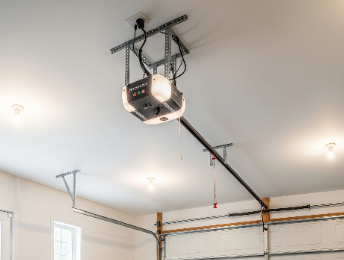
Look for the red cord hanging down from the center rail of your garage ceiling. It’s connected to the trolley (the part that moves along the track) that moves your door automatically. Pull it to disconnect the door from the automatic system so you can control the door manually.
Gently Lower the Door
When the opener is released, grip the handle or bottom edge of the door with both hands and slowly lower it. Be smooth and steady — there’s no need to rush.
Double-Check the Door is Fully Closed
When the door reaches the bottom, make sure it is flush with the floor. A slight gap or one side lower than another might mean a misalignment or another issue needing attention.
With the door closed, you might be curious about what to do if you need to go out. How to open a garage door without power? It’s simply a reverse process: carefully lift the door, secure it, and don’t forget to re-engage the opener when the power returns.
How to Lock a Garage Door Without Power
Once your door is shut, you might search Google for how to lock a garage door without power. Here are a few effective ways to do it:
Use the Manual Locking Mechanism
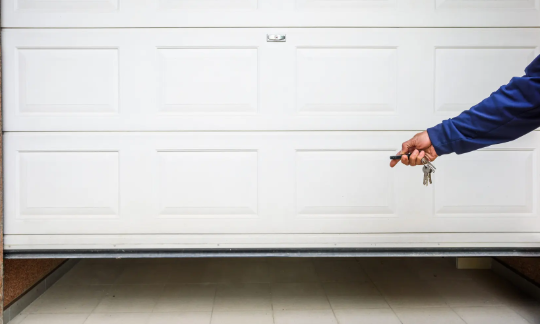
Most garage doors have built-in lock bars or sliding bolt locks. Take a look along the inside of your door, near the tracks. Slide a bolt into the track holes on both sides to secure the door.
Install a Padlock Through the Track
If your door doesn’t have a built-in lock, use a padlock. Look for pre-drilled holes in the horizontal tracks, usually near the bottom of the door. Insert a sturdy padlock through one of these holes to prevent tampering.
Use C-Clamps for Temporary Locking
In a pinch, place C-clamps on the inside of the tracks, right above the bottom roller. Tighten them securely. They act as a physical barrier, making it difficult to lift the door from the outside.
Knowing how to lock a garage door without power, you’ll always be prepared for power outages. Close the door, lock it, and don’t forget about safety so you can keep your garage and home secure.
Important Safety Tips
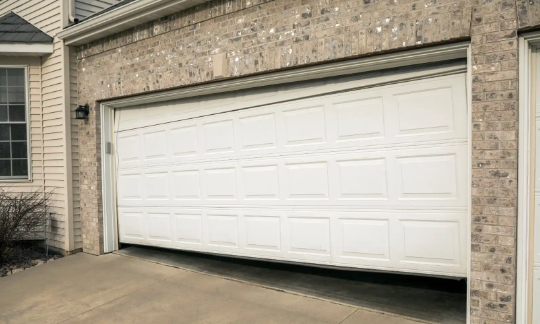
Manually closing your garage door may seem easy, but it’s important to stay cautious to avoid injury or damage. The garage door is a large and heavy object, so you want to be in control every step of the way. Here are some important tips to keep in mind:
Never Force a Stuck Door
If your garage door doesn’t want to move, don’t try to push or pull harder. Forcing it might damage the door or opener or even cause injury.
Avoid Tampering with Springs or Cables
Springs and cables are tightly wound and under serious tension. Messing with them without proper training can cause serious harm.
Keep Hands Away from Pinch Points
As you’re guiding the door down, be extra careful around the spaces between the door panels and any other moving parts. These areas can pinch fingers easily. Keep your hands on designated handles or the bottom edge of the door.
Check the Balance
Before you start to lower the door, try to lift it a little. If the door feels off or unsteady, stop. A wobbly door can be dangerous, so it’s safer to contact a professional garage door repair service.
Summing Up
Since power outages are stressful and fairly common, every homeowner should know how to close their garage door when the power is out. From emergency release cords to locking up with padlocks, with these simple steps, you’re well-equipped to handle it. However, if your door is stuck or something doesn’t feel right, don’t risk it. Reach out to 24H Garage Door Services and make sure your garage door is safe and reliable, whether the power is on or out.
Frequently Asked Questions
My power went out and the garage door is stuck halfway open. What should I do first?
Proceed with caution when the door is mid-way open, and try to stabilize it gently before doing anything else, because an unbalanced door could come crashing down unexpectedly. Wedge something sturdy, like a wooden block or a solid box, underneath to help support its weight before you release the opener. Only then move on to disconnecting the door from the automatic system.
Where is the emergency release cord and what does it do?
The emergency release is a red cord that hangs down from the center rail of your garage ceiling. It is connected to the trolley, which is the part that moves along the track to operate your door automatically. Pulling it disconnects the door from the automatic system so you can control the door manually.
How do I safely lower the door by hand once it's disconnected?
After the opener is released, grip the handle or the bottom edge of the door with both hands and slowly lower it, staying smooth and steady with no need to rush. When the door reaches the bottom, make sure it is flush with the floor. A slight gap or one side sitting lower than the other might mean a misalignment or another issue that needs attention.
Can I still lock the door if there's no power?
Yes, there are a few ways to secure it. Most garage doors have a built-in lock bar or sliding bolt that you slide into the track holes on both sides, and if yours doesn't, you can insert a sturdy padlock through the pre-drilled holes in the horizontal tracks near the bottom of the door. In a pinch, you can also place C-clamps on the inside of the tracks just above the bottom roller and tighten them so the door is hard to lift from the outside.