While they seem like a minor detail, garage door seals are important to protect your home and boost its efficiency. These rubber or plastic strips cover gaps like a small bridge that keeps out everything from dust and debris from the spring breezes to unwanted pests. They can even help regulate the temperature inside your garage.
In this article, we’ll explain how garage door seals keep your garage space protected and can lead to energy savings and a more comfortable environment, especially as the seasons change.
How Garage Door Seals Protect Your Home and Improve Efficiency
Published: Apr 25, 2025 | Updated: Jul 28, 2026
How Garage Door Seals Protect Your Home
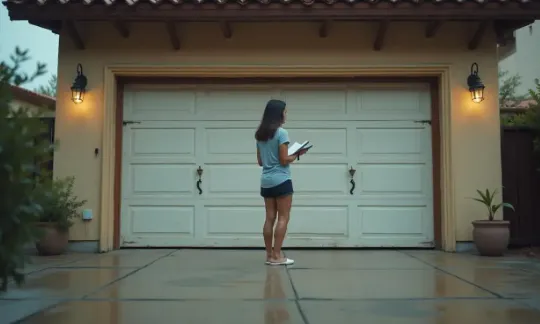
Garage door seals act as a protective barrier for your home. These flexible strips, typically made of rubber or vinyl, run along the bottom and sides of the door. When the door lowers, the bottom seal compresses against the floor, forming a barrier. It means rain, especially common during this time of year, wind that can whip through, dust and dirt that can settle everywhere, and even those determined little critters looking for a warm, dry spot. This helps keep your garage cleaner and protects anything stored inside.
Moreover, garage door seals impact your home’s comfort. If your garage is connected to your living space, gaps can let cold air creep inside during the winter and let heat in during the summer. Door seals minimize this air exchange by creating a tight seal, helping to maintain a more consistent and comfortable temperature inside your home and potentially saving you on heating and cooling costs.
Moreover, garage door seals impact your home’s comfort. If your garage is connected to your living space, gaps can let cold air creep inside during the winter and let heat in during the summer. Door seals minimize this air exchange by creating a tight seal, helping to maintain a more consistent and comfortable temperature inside your home and potentially saving you on heating and cooling costs.
How Garage Door Seals Improve Energy Efficiency
Your garage, especially if attached to your house, can be a significant source of energy loss if not properly sealed. Gaps along the bottom and sides allow outside air to flow in, bringing in cold air at night or rising heat during the day while the air you’ve paid to heat or cool escapes.
That’s where a quality garage door seal replacement makes a big difference. A snug-fitting seal helps block out drafts in winter and keeps out hot, humid air in summer. It creates an extra layer of insulation that helps regulate the temperature inside your garage and home.
When your HVAC (Heating, Ventilation, and Air Conditioning) system isn’t working overtime to compensate for those temperature leaks, you’ll likely see lower energy bills. So, while a seal might seem small, it has a big role in keeping your energy efficient and comfortable throughout the year.
That’s where a quality garage door seal replacement makes a big difference. A snug-fitting seal helps block out drafts in winter and keeps out hot, humid air in summer. It creates an extra layer of insulation that helps regulate the temperature inside your garage and home.
When your HVAC (Heating, Ventilation, and Air Conditioning) system isn’t working overtime to compensate for those temperature leaks, you’ll likely see lower energy bills. So, while a seal might seem small, it has a big role in keeping your energy efficient and comfortable throughout the year.
Other Benefits of Garage Door Seals
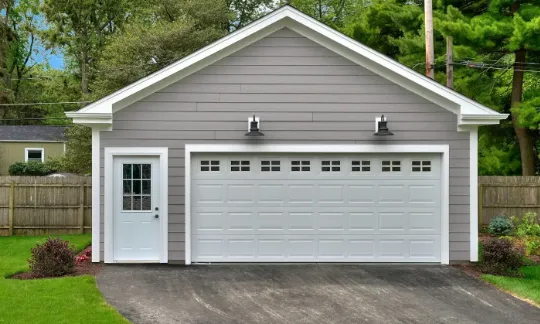
While the energy savings and weather protection provided by garage door seals are important, there are many other reasons to make sure you have well-functioning seals. A properly sealed garage door can reduce outdoor noise entering your home, creating a more peaceful environment. As nature awakens in spring, these seals are also excellent at keeping out insects, rodents, and other unwanted critters. They also help protect your stored items from moisture and debris, keeping your tools, decorations, and other belongings in better condition.
Understanding the different types of garage door seals can help you pick the right fit to get the best result. Bottom seals, brush seals, and threshold seals each have their own purpose, depending on your garage type and needs. Choose the right one during your garage door installation, and you’ll get the best performance and protection.
Understanding the different types of garage door seals can help you pick the right fit to get the best result. Bottom seals, brush seals, and threshold seals each have their own purpose, depending on your garage type and needs. Choose the right one during your garage door installation, and you’ll get the best performance and protection.
Summing Up
Quality garage door seals are a simple yet powerful upgrade that protects your space, improves comfort, and even helps to lower utility bills. If you’re dealing with drafts, noticing wear and tear on your current seals, or just want to make sure your home is well-protected as we head further into spring, it might be time to upgrade your replacement garage door seals.
Are you unsure how to install garage door seals or choose the right type? Our team at 24H Garage Doors is here to assist you with expert garage door services. Don’t wait till another season passes with compromised seals — upgrade garage door seals today for a more efficient and comfortable home.
Are you unsure how to install garage door seals or choose the right type? Our team at 24H Garage Doors is here to assist you with expert garage door services. Don’t wait till another season passes with compromised seals — upgrade garage door seals today for a more efficient and comfortable home.
Frequently Asked Questions
What exactly does a garage door seal keep out of my garage?
Garage door seals are flexible strips, typically made of rubber or vinyl, that run along the bottom and sides of the door and compress against the floor when the door lowers to form a barrier. This keeps out rain, wind, dust and dirt, and determined little critters looking for a warm, dry spot, helping keep your garage cleaner and protecting anything stored inside.
Can garage door seals really lower my energy bills?
Yes. An attached garage can be a significant source of energy loss if not properly sealed, because gaps let outside air in while the air you have paid to heat or cool escapes. A snug-fitting seal blocks drafts in winter and hot, humid air in summer, and when your HVAC system isn't working overtime to compensate for those leaks, you'll likely see lower energy bills.
Besides weather and energy savings, are there other reasons to keep my seals in good condition?
Yes. A properly sealed garage door can reduce outdoor noise entering your home for a more peaceful environment, and the seals are excellent at keeping out insects, rodents, and other unwanted critters. They also help protect your stored items from moisture and debris, keeping tools, decorations, and other belongings in better condition.
Is there more than one type of garage door seal?
Yes, there are different types, and understanding them helps you pick the right fit for the best result. Bottom seals, brush seals, and threshold seals each have their own purpose depending on your garage type and needs, so choosing the right one during installation gives you the best performance and protection.