
When it comes to home maintenance, some of the most important components are often the easiest to overlook. Take your garage door tracks, for example. These simple yet essential components keep your garage door operating smoothly, but they also tend to collect dirt, debris, and wear over time. This is especially true for high-traffic homes where doors are opened and closed multiple times a day.
The good news is that keeping your garage door tracks in optimal condition for years doesn’t require a ton of effort or expertise. With just a little regular care, you can prevent costly breakdowns, keep your garage door running smoothly, and extend its lifespan.
In this guide, we’ll explain how to maintain your garage door tracks properly so they remain functional and durable, even in the busiest households.
How to Maintain Your Garage Door Tracks in High-Traffic Homes
Published: Mar 26, 2025 | Updated: Jul 28, 2026
Why Garage Door Track Maintenance Is Essential for Busy Households
Garage door tracks are the foundation of any garage door system. They are the metal rails on which the rollers ride to open and close the door smoothly and safely. That’s why it’s so important to keep them in good shape. A little bit of maintenance today can save you time, money, and effort down the road.
Let’s take a closer look at the key benefits of properly maintained garage door tracks so you can see why this task is worth your time:
Let’s take a closer look at the key benefits of properly maintained garage door tracks so you can see why this task is worth your time:
Busy households rely on their garage doors daily, which makes regular care even more critical. By maintaining your garage door tracks, you not only ensure smooth operation but also extend the life of the entire system. This is a win-win solution for both your budget and your peace of mind.
Must-Have Tools and Supplies for Easy Garage Door Maintenance
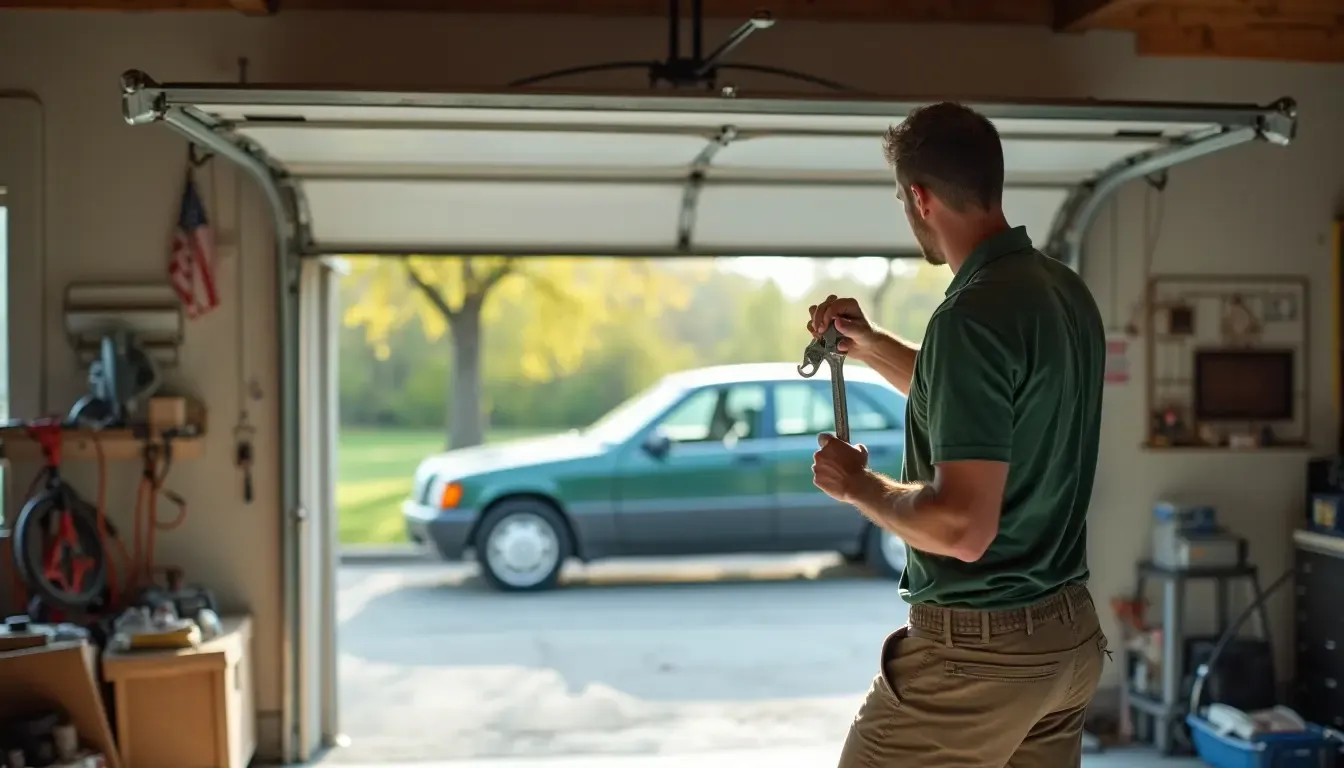
Although maintenance may seem like a quick and straightforward task (which it usually is), it still requires attention to key details. After all, with a solid step-by-step plan, any task becomes much easier and quicker to handle. At 24H Garage Doors, we believe that every DIY project, whether it’s simple maintenance or serious repairs, starts with gathering the right tools and supplies. When everything is ready, the process feels smoother and less stressful.
Here’s a quick checklist to make sure you have everything required to maintain your garage door tracks properly:
Here’s a quick checklist to make sure you have everything required to maintain your garage door tracks properly:
With these tools, the maintenance process is both quick and efficient.
If the thought of this project still feels overwhelming, don’t hesitate to reach out to your local garage door service. Experienced technicians will make sure your garage door tracks are properly cared for, providing peace of mind and a reliable system that lasts for years.
If the thought of this project still feels overwhelming, don’t hesitate to reach out to your local garage door service. Experienced technicians will make sure your garage door tracks are properly cared for, providing peace of mind and a reliable system that lasts for years.
5 Easy Steps to Keep Your Garage Door Tracks in Top Shape
“How do you maintain garage door tracks?” This question is likely on your mind right now, and that’s exactly why we’re here. Our experts have created a simple, step-by-step guide to help you maintain your garage door tracks. This guide covers all the essential details, so you can avoid costly professional inspections and expensive repairs in the future.
Step 1: Inspect the Tracks
It’s easy to miss dirt, debris, or even rust that can affect performance. To catch problems early, perform regular inspections. Check for any gaps between the tracks and rollers. If the tracks are bent or uneven, it may be time to realign them or call for professional help.
Step 2: Clean the Tracks Safely and Effectively
Experience shows that even a simple task like cleaning can lay the foundation for a smooth, reliable system. Use a soft-bristle brush or vacuum to gently sweep away loose dirt and debris from the garage door tracks. Then, wipe them down with a damp microfiber cloth to remove any grime. This will ensure that all components work properly and aren’t blocked by dirt or misalignment. By keeping the system well-maintained, you’ll reduce the need for costly repairs, like garage door spring repair or a full door replacement.
The only rule is to avoid harsh chemicals, as they can damage the metal finish.
Step 3: Lubricate Moving Parts
You might be wondering, “Should I lubricate garage door tracks like other moving parts?” The answer is yes! This is a crucial step that’s often overlooked. A small amount of silicone-based lubricant on the rollers, hinges, and springs can make a big difference. However, avoid lubricating the track surface, as this can cause the rollers to slip.
Step 4: Tighten and Adjust Track Alignment
Once you’ve lubricated your garage door tracks, don’t forget to tighten and adjust their alignment. Check the bolts and screws that secure the tracks in place, and tighten any loose ones with a screwdriver or wrench. Use a level to check the alignment and make small adjustments if necessary. Misaligned tracks can cause a wobbly door or even more serious issues, so be sure not to overlook this step!
Step 5: Test Your Garage Door for Smooth Functionality
Finally, put your garage door to the test. Open and close it a few times to make sure it operates smoothly. Pay attention to any unusual noises and check for smooth, steady movement as the door opens and closes. A well-maintained garage door should move easily without hesitation. If you continue to experience issues that cleaning, lubrication, or alignment can’t resolve, it may be time to contact a professional for a thorough inspection. A professional technician can identify underlying problems and provide solutions to ensure your door works reliably for years to come.
Frequently Asked Questions (FAQ)
Why do garage door tracks wear out faster in high-traffic homes?
In homes where the garage door serves as the primary entrance, the system often cycles 4 to 6 times a day or more. This continuous heavy usage accelerates vibration, loosens track mounting hardware, wears down roller bearings faster, and increases the accumulation of outdoor debris and dust inside the track channels.
Should I lubricate my garage door tracks to keep them running smoothly?
No, you should never apply grease, oil, or spray lubricants directly onto or inside the garage door tracks. Lubricating the tracks attracts dust, dirt, and pet hair, creating a thick sludge that can cause the rollers to slip or derail. Instead, lubricate only the moving steel roller ball bearings and hinges using a silicone-based or lithium-based spray, keeping the tracks themselves completely clean and dry.
How often should I clean and inspect garage door tracks in a high-traffic home?
For high-traffic residential garages, you should perform a visual inspection and basic cleaning every two to three months. Regular maintenance ensures that minor vibration loosening or dirt buildup is caught early before it causes track misalignment or permanent roller damage.
How do I safely clean grease and dirt build-up out of garage door tracks?
Start by using a vacuum hose attachment or damp cloth to remove loose dirt, leaves, and cobwebs from the vertical and horizontal tracks. If there is sticky grease or sludge build-up, wipe the inside of the channels thoroughly using a clean rag dampened with an automotive brake cleaner, citrus-based degreaser, or mild soapy water, then wipe completely dry.
What are the warning signs that my garage door tracks are bent or misaligned?
Common signs of track misalignment include loud grinding, squealing, or popping noises during operation, visible gaps between the rollers and the track walls, metal shavings sitting underneath the tracks, or the door shuddering and binding as it opens and closes.
When should I call a professional to repair or adjust my garage door tracks?
You should call a certified garage door technician immediately if you notice visibly bent or warped track sections, loose mounting brackets attached to the wall framing, or if a roller has popped out of the track. Never attempt to loosen track bolts or brackets connected to the counterbalance spring system yourself, as these components are under severe tension.
Conclusion
Keeping your garage door system and its core components clean, lubricated, and aligned is a simple yet essential task that can prevent many significant problems in the future. If you’re wondering how to maintain your garage door tracks, you’ll be glad to know it only takes a few easy steps. Regular cleaning, lubrication, and alignment can improve your garage door system’s performance and extend its lifespan.
However, if you have any questions or need professional services, don’t hesitate to contact the experienced specialists at 24H Garage Doors. Let us help you keep your garage doors in excellent condition so you can enjoy peace of mind and a reliable system for years to come.
However, if you have any questions or need professional services, don’t hesitate to contact the experienced specialists at 24H Garage Doors. Let us help you keep your garage doors in excellent condition so you can enjoy peace of mind and a reliable system for years to come.
Frequently Asked Questions
Why do garage door tracks wear out faster in high-traffic homes?
In homes where the garage door serves as the main front entrance, the system often cycles 4 to 6 times a day or more. This continuous heavy usage accelerates vibration, loosens track mounting hardware, wears down roller bearings faster, and increases the accumulation of outdoor debris and dust inside the track channels.
Should I lubricate my garage door tracks to keep them running smoothly?
No, you should never apply grease, oil, or spray lubricants directly onto or inside the garage door tracks. Lubricating the tracks attracts dust, dirt, and pet hair, creating a thick sludge that can cause the rollers to slide or derail instead of rolling smoothly. Instead, lubricate only the moving steel roller ball bearings and hinges using a silicone-based or lithium-based spray, keeping the tracks themselves completely clean and dry.
How often should I clean and inspect garage door tracks in a high-traffic home?
For high-traffic residential garages, you should perform a visual inspection and basic cleaning every two to three months. Regular maintenance ensures that minor vibration loosening or dirt buildup is caught early before it causes track misalignment or permanent roller damage.
How do I safely clean grease and dirt build-up out of garage door tracks?
Start by using a vacuum hose attachment or a damp cloth to remove loose dirt, leaves, and cobwebs from the vertical and horizontal tracks. If there is sticky grease or sludge build-up, wipe the inside of the channels thoroughly using a clean rag dampened with an automotive brake cleaner, citrus-based degreaser, or mild soapy water, then wipe completely dry.
What are the warning signs that my garage door tracks are bent or misaligned?
Common signs of track misalignment include loud grinding, squealing, or popping noises during operation, visible gaps between the rollers and the track walls, metal shavings sitting underneath the tracks, or the door shuddering and binding as it opens and closes.
When should I call a professional to repair or adjust my garage door tracks?
You should call a certified garage door technician immediately if you notice visibly bent or warped track sections, loose mounting brackets attached to the wall framing, or if a roller has popped out of the track. Never attempt to loosen track bolts or brackets connected to the counterbalance spring system yourself, as these components are under severe mechanical tension.