Garage door hinges don’t usually get much attention until they start causing trouble. They might be small, but they do a big job. Garage door hinges and rollers work together to let each panel of your sectional door move smoothly as it opens and closes. When they’re working properly, you barely notice them. The trouble is that it can change quickly when something goes wrong. In this guide, we’ll discuss what causes the most common hinges issues and what you can do to fix them.
Common Garage Door Hinges Problems and How to Fix Them
Published: Apr 25, 2025 | Updated: Jul 28, 2026
Common Garage Door Hinges Problems
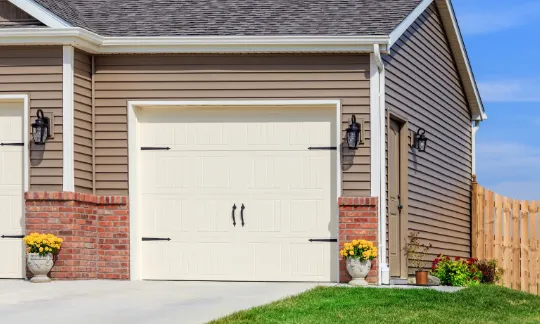
Garage door hinges are more important than most people think. They’re the joints that let your garage door bend panel by panel as it moves up and down along the track, whether you’re using traditional old-style garage door hinges or modern spring-loaded garage door hinges. However, like any moving part, they wear down. Sometimes, it starts with a soft squeak, a small jerk in the door’s movement, or a slight panel misalignment. Over time, that squeak becomes a grind, or a panel begins to sag.
One of the most common issues is rust and corrosion, especially if your garage is exposed to moisture or coastal Connecticut air. This kind of buildup doesn’t just look bad — it also causes friction, weakens the metal, and makes your door groan with every move.
Material choice can also lead to problems. For example, plastic garage door hinges are quieter and cheaper. However, they can crack under pressure, warp in extreme temperatures, or break down over time.
Mechanical issues can also cause hinge failure. Spring-loaded garage door hinges have internal components that balance the door. If these springs break or wear out, the door can sag or slam shut.
Sometimes, it’s not about wear at all. Accidental bumps or even one too many rough closings can leave you with bent or loose garage door hinges and rollers. When this happens, the door may wobble, strain the tracks, or even jam altogether.
Each of these problems may start small, but if left unchecked, they can lead to bigger and more expensive repairs. That’s why it’s helpful to understand what you can fix on your own and when to call a garage door company in CT.
Material choice can also lead to problems. For example, plastic garage door hinges are quieter and cheaper. However, they can crack under pressure, warp in extreme temperatures, or break down over time.
Mechanical issues can also cause hinge failure. Spring-loaded garage door hinges have internal components that balance the door. If these springs break or wear out, the door can sag or slam shut.
Sometimes, it’s not about wear at all. Accidental bumps or even one too many rough closings can leave you with bent or loose garage door hinges and rollers. When this happens, the door may wobble, strain the tracks, or even jam altogether.
Each of these problems may start small, but if left unchecked, they can lead to bigger and more expensive repairs. That’s why it’s helpful to understand what you can fix on your own and when to call a garage door company in CT.
How to Fix Garage Door Hinge Issues
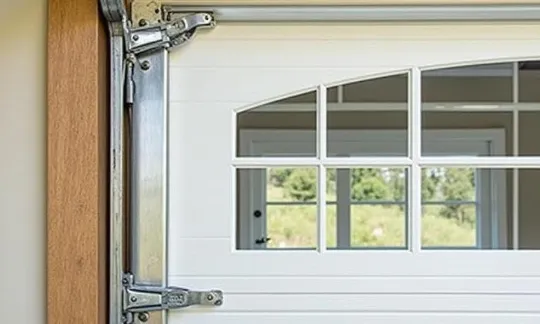
Not every garage door hinge issue needs a professional repair, and many minor problems can be solved quickly with a few basic tools and simple tips. Here are some of the most common fixes you can try at home.
Apply Lubricant
If your garage door is making more noise than usual, the first step is to check the hinges for dryness. Apply a silicone-based lubricant directly to the moving parts of the hinge. This usually quiets down squeaky movement.
Tighten Screws or Bolts
Loose screws are another common problem, especially on doors that are used frequently. Use a socket wrench or screwdriver to tighten any bolts or screws that may have come loose. Just be sure not to overtighten, as this can strip the holes or damage the hinge.
Replace Cracked Plastic Garage Door Hinges
If you spot a small crack in a plastic hinge, you can replace it yourself. Make sure you purchase the exact hinge type and size — garage doors often use different hinge types in different sections. Follow your door manufacturer’s guidelines, or take the old hinge to a hardware store to find an exact match.
Adjust Soft-Close Garage Door Hinges
Soft-close garage door hinges are designed to reduce the impact and noise when your door closes. If your door is closing too forcefully or not completely, you likely need to adjust the tension using the adjustment screw.
However, if your garage door sags, slams shut, or moves unevenly, it could indicate a more serious problem with spring-loaded garage door hinges or the springs themselves. Because these parts control the door’s weight and balance and can be hazardous to handle without proper training, it’s best to seek professional help. If you’re unsure about a repair, contact a qualified local garage door company for safe and effective solutions, including garage door spring repair.
Summing Up
Garage door hinges aren’t something you think a lot, but they’re among the hardest-working parts of your system. Take care of them to ensure your door’s operation and longevity, whether it involves simple adjustments or addressing minor cracks. If you need professional assistance with repairs or upgrades, contact 24H Garage Doors for expert support.
Frequently Asked Questions
What are the early warning signs that a garage door hinge is going bad?
Trouble often starts with a soft squeak, a small jerk in the door's movement, or a slight panel misalignment. Over time that squeak can become a grind or a panel may begin to sag, which is why it helps to address these issues before they lead to bigger, more expensive repairs.
Why do my garage door hinges rust, and why does it matter?
Rust and corrosion are one of the most common hinge issues, especially if your garage is exposed to moisture or coastal air. This buildup does more than look bad; it causes friction, weakens the metal, and makes your door groan with every move.
How do I stop my garage door hinges from squeaking?
If your door is making more noise than usual, first check the hinges for dryness. Apply a silicone-based lubricant directly to the moving parts of the hinge, which usually quiets down squeaky movement.
Can I replace a cracked plastic hinge myself?
Yes, if you spot a small crack in a plastic hinge you can replace it yourself, but make sure you purchase the exact hinge type and size, since garage doors often use different hinge types in different sections. Follow your door manufacturer's guidelines, or take the old hinge to a hardware store to find an exact match.