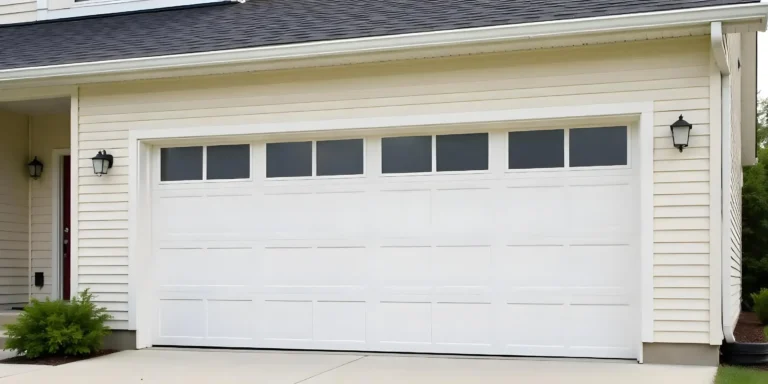
Your garage door role extends beyond being a simple entry point. It is an essential part of the security and operations of your house, which means it needs appropriate maintenance, including cleaning and lubrication, to remain this way for years to come.
Neglecting garage door cleaning and lubrication might lead to operational inefficiencies, garage door repairs that could be avoided, and a mechanism that lasts less time than you were promised during the installation.
Ensure your garage door stays in excellent condition following our simple yet comprehensive maintenance guide. Let’s start!
Simple Ways to Clean and Lubricate Your Garage Door for Long-Term Use
Published: Jan 30, 2025 | Updated: Jul 28, 2026
How a Garage Door System Works
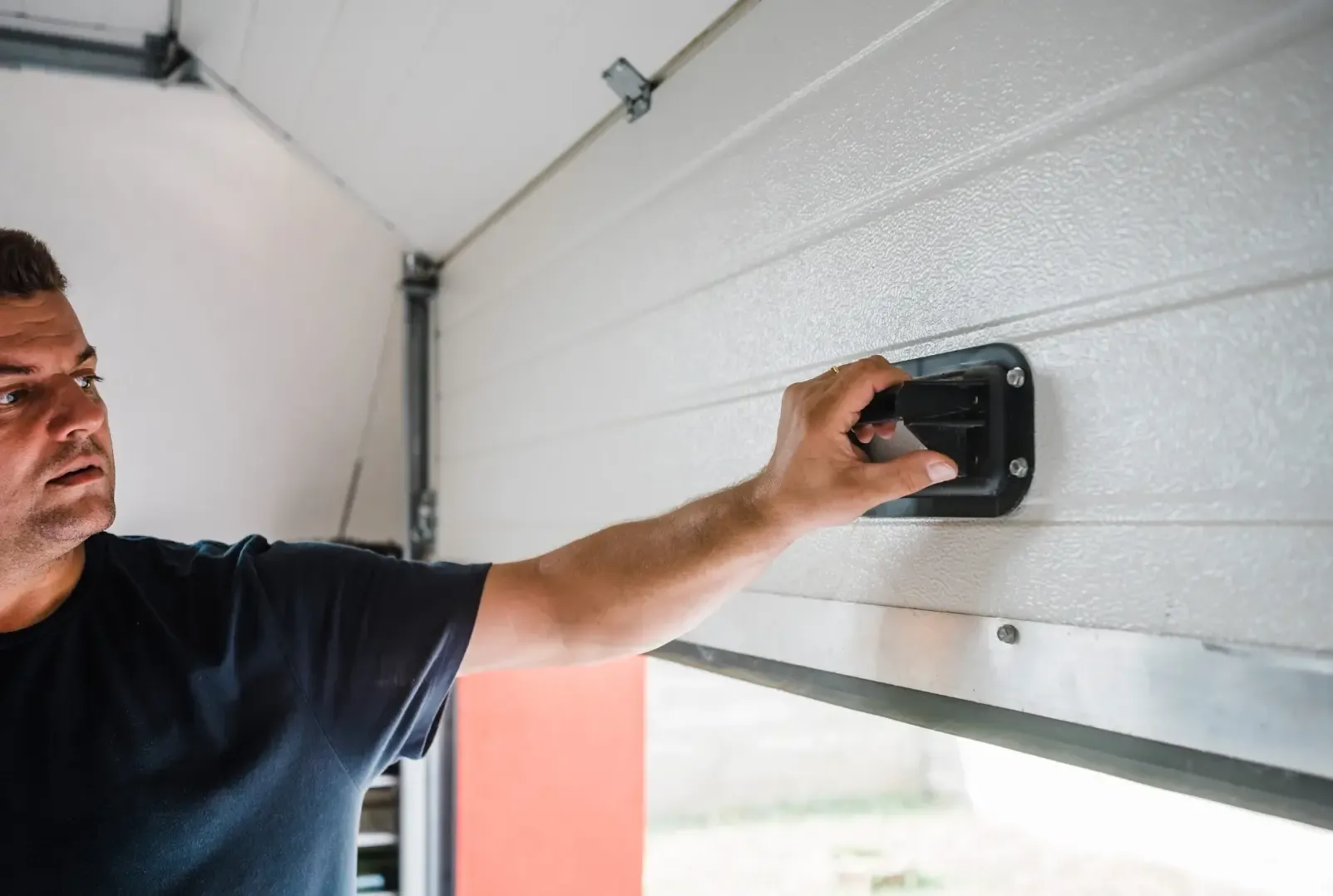
Springs, tracks, rollers, and panels work together to close and open a garage door. Each component is important to the process, and their condition is essential for proper functioning.
The garage door tracks make it simple to open and close by directing the door’s motion, while the springs manage tension by bearing the heavy weight of the door. The panels provide structural support and insulation, while the often-overlooked rollers enable the gliding movement. Over time, these parts may degrade due to daily use and exposure to external factors, including moisture and dust accumulation. Weather conditions also contribute to wear and tear on your door.
The garage door tracks make it simple to open and close by directing the door’s motion, while the springs manage tension by bearing the heavy weight of the door. The panels provide structural support and insulation, while the often-overlooked rollers enable the gliding movement. Over time, these parts may degrade due to daily use and exposure to external factors, including moisture and dust accumulation. Weather conditions also contribute to wear and tear on your door.
Why Cleaning and Lubricating Garage Doors Are Essential
Any garage door accumulates dirt, filth, and moisture over time, which will lead to rust, corrosion, and mechanical wear. If left like this, this buildup may lead to uneven operation or excessive noise. Cleaning garage door tracks, surfaces, and internal parts helps to prevent these problems from getting worse. Keeping your door clean offers more than just good looks. A well-maintained door works more effectively, saving you time and effort over time
However, cleaning should be followed by a high-quality garage door lubricant application to reduce wear and friction on moving components like springs, hinges, and rollers. Then, silent and seamless performance is guaranteed.
By combining these two simple actions, you may prevent the need for expert garage door services in CT or frequent garage door repairs by maintaining the system.
However, cleaning should be followed by a high-quality garage door lubricant application to reduce wear and friction on moving components like springs, hinges, and rollers. Then, silent and seamless performance is guaranteed.
By combining these two simple actions, you may prevent the need for expert garage door services in CT or frequent garage door repairs by maintaining the system.
How to Clean Your Garage Door Properly
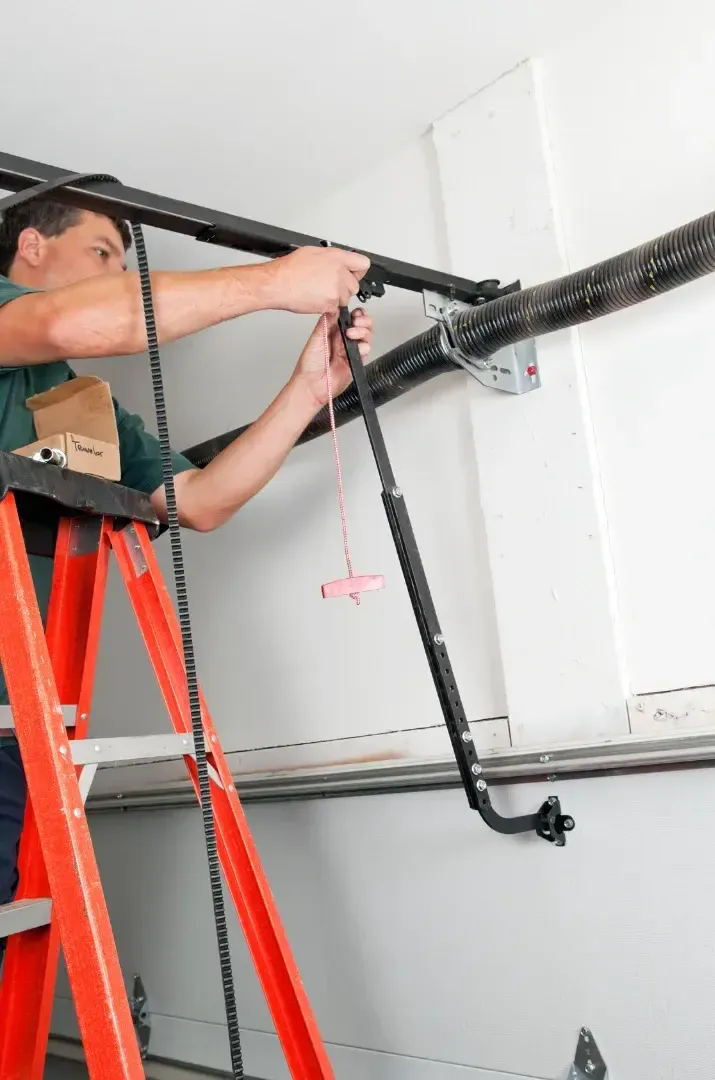
To properly clean garage door surfaces, start by assembling the necessary supplies:
Rinse the door with water to get rid of dust, debris, or grime that could have accumulated on the surface. Keep a close eye on the edges and corners where dirt tends to collect and might be hard to reach. Adjust water pressure gently if needed to clean these spots effectively.
After that, carefully clean the door in circular motions with the sponge dipped in soapy water, paying particular attention to any areas that have obvious stains or scars. Use a non-abrasive cleanser to prevent harming the finish, especially if you’re a proud owner of painted or metal doors. A solution of baking soda and mild detergent might work especially well for tough stains. Use the hose to thoroughly rinse the door after cleaning to remove all soap residue.
It’s important to dry up the door as remaining moisture can cause corrosion, especially on steel doors, so let the door air dry entirely. Quick drying is essential for wooden garage doors to avoid warping or mildew.
After that, carefully clean the door in circular motions with the sponge dipped in soapy water, paying particular attention to any areas that have obvious stains or scars. Use a non-abrasive cleanser to prevent harming the finish, especially if you’re a proud owner of painted or metal doors. A solution of baking soda and mild detergent might work especially well for tough stains. Use the hose to thoroughly rinse the door after cleaning to remove all soap residue.
It’s important to dry up the door as remaining moisture can cause corrosion, especially on steel doors, so let the door air dry entirely. Quick drying is essential for wooden garage doors to avoid warping or mildew.
By following these procedures on a regular basis, you may avoid accumulation that might harm your garage door’s systems and have an effect on its appearance.
After drying, you may start lubricating or performing any other maintenance.
After drying, you may start lubricating or performing any other maintenance.
How to Clean Garage Door Tracks
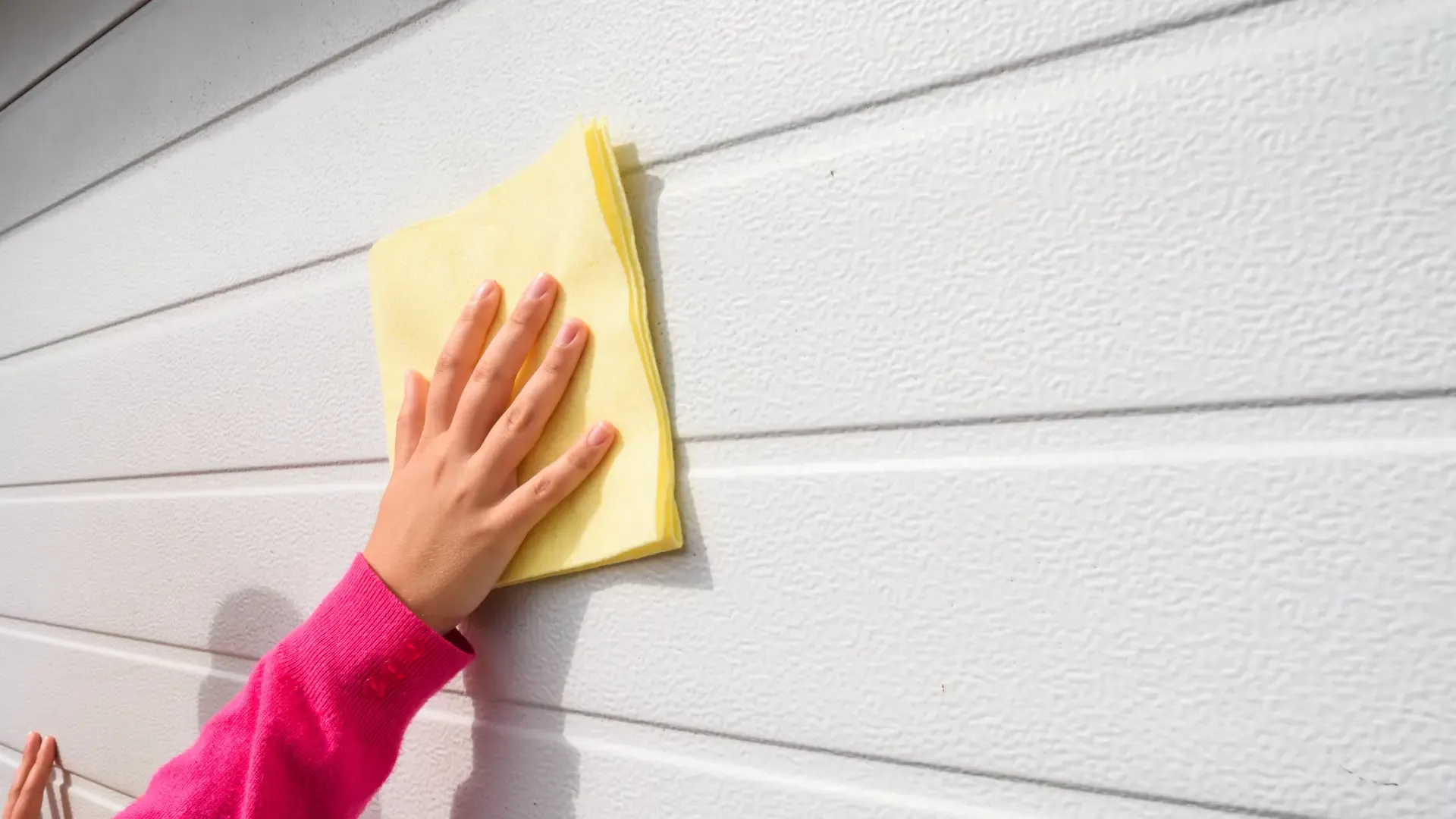
The garage door tracks and their condition are critical to the door’s functionality. They are a guide for its smooth, balanced movement. Just like with the door in general, dust, dirt, and debris can build up inside the tracks over time. This can lead to problems with alignment as well as causing inconsistent performance.
Clear the tracks of dirt, cobwebs, and debris using a vacuum or a stiff brush. Be thorough, particularly in spots that are difficult to reach and around bends where accumulation is likely to occur. After removing any loose debris, clean the inside of the tracks with a soft cloth soaked in a mild soap and water solution to get rid of any remaining dirt. Make sure you clean completely since even a small amount of residue might make it difficult to move.
A non-abrasive scrub pad and a specific track cleaner or degreaser might be helpful for stubborn dirt. Avoid using aggressive chemicals that might leave a slippery residue or harm the material.
A non-abrasive scrub pad and a specific track cleaner or degreaser might be helpful for stubborn dirt. Avoid using aggressive chemicals that might leave a slippery residue or harm the material.
To stop the tracks from rusting after cleaning, use a fresh towel to wipe them dry. Maintaining your garage door’s smooth operation and lowering the possibility of costly repairs may be achieved by routinely performing garage door track cleaning.
Choosing the Right Garage Door Lubricant
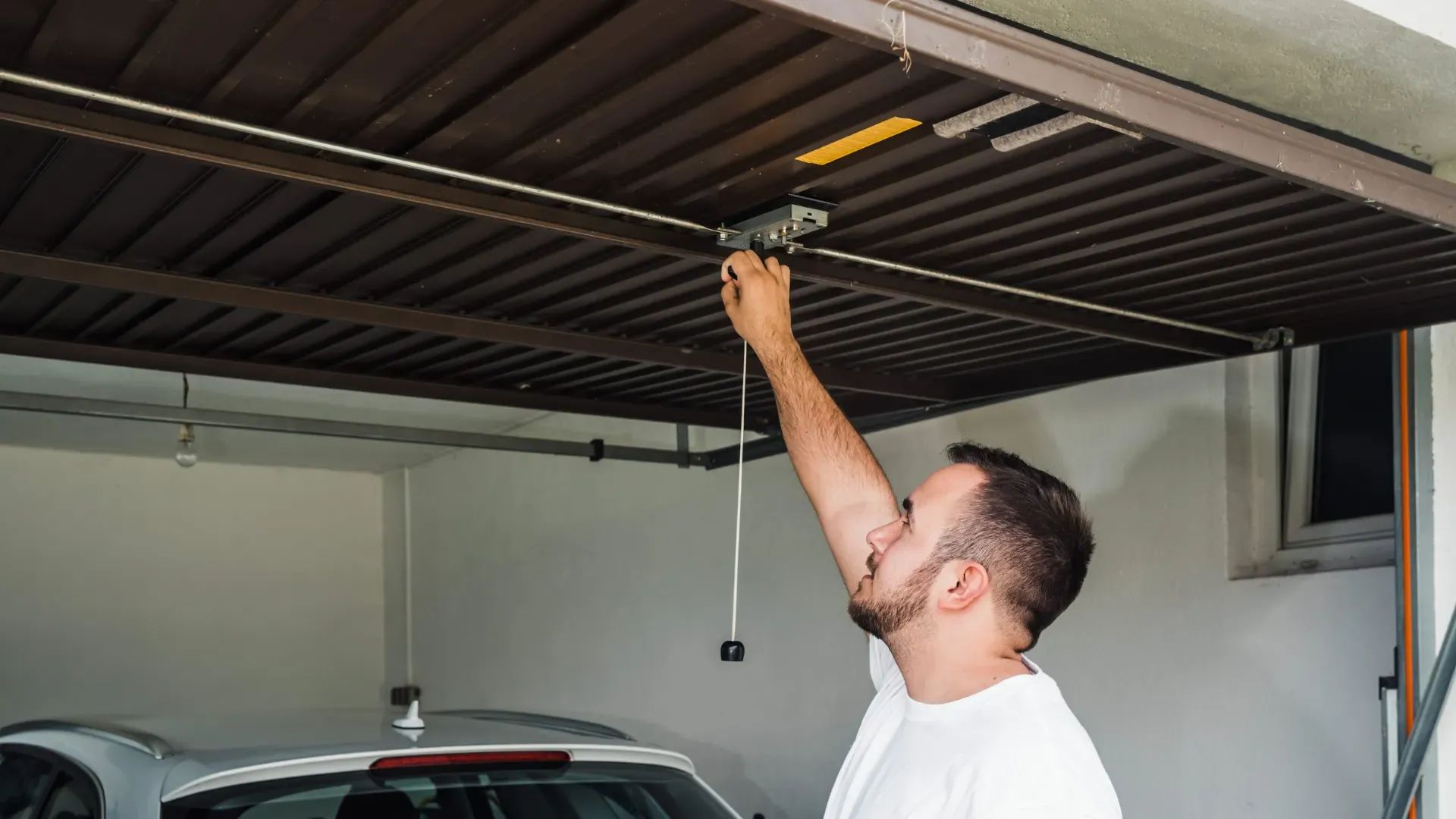
A crucial first step in preserving the lifetime and functionality of your system is choosing the right garage door lubricant. Using the incorrect kind of lubricant might cause more harm than benefit because they are not all made equal.
Silicone-based lubricants, resistant to temperature changes, are frequently the best option in areas with drastic weather variations. Without leaving a sticky residue, they offer a thin, uniform covering that shields moving components.
Lithium-based lubricants work best on heavier mechanisms, like big rollers or torsion springs. These are made to support heavier weights and provide enduring defense against deterioration.
Both of these garage door lubricants are available in many hardware stores. Applying them regularly will guarantee quieter, smoother performance and will reduce the strain on the door’s system.
Lithium-based lubricants work best on heavier mechanisms, like big rollers or torsion springs. These are made to support heavier weights and provide enduring defense against deterioration.
Both of these garage door lubricants are available in many hardware stores. Applying them regularly will guarantee quieter, smoother performance and will reduce the strain on the door’s system.
However, not every oil is appropriate for garage doors. Although they might appear practical, general-purpose lubricants like WD-40 are not intended for long-term use. These oils have the ability to draw in dust and debris, which can eventually clog parts and impair the door’s operation.
How to Lubricate a Garage Door
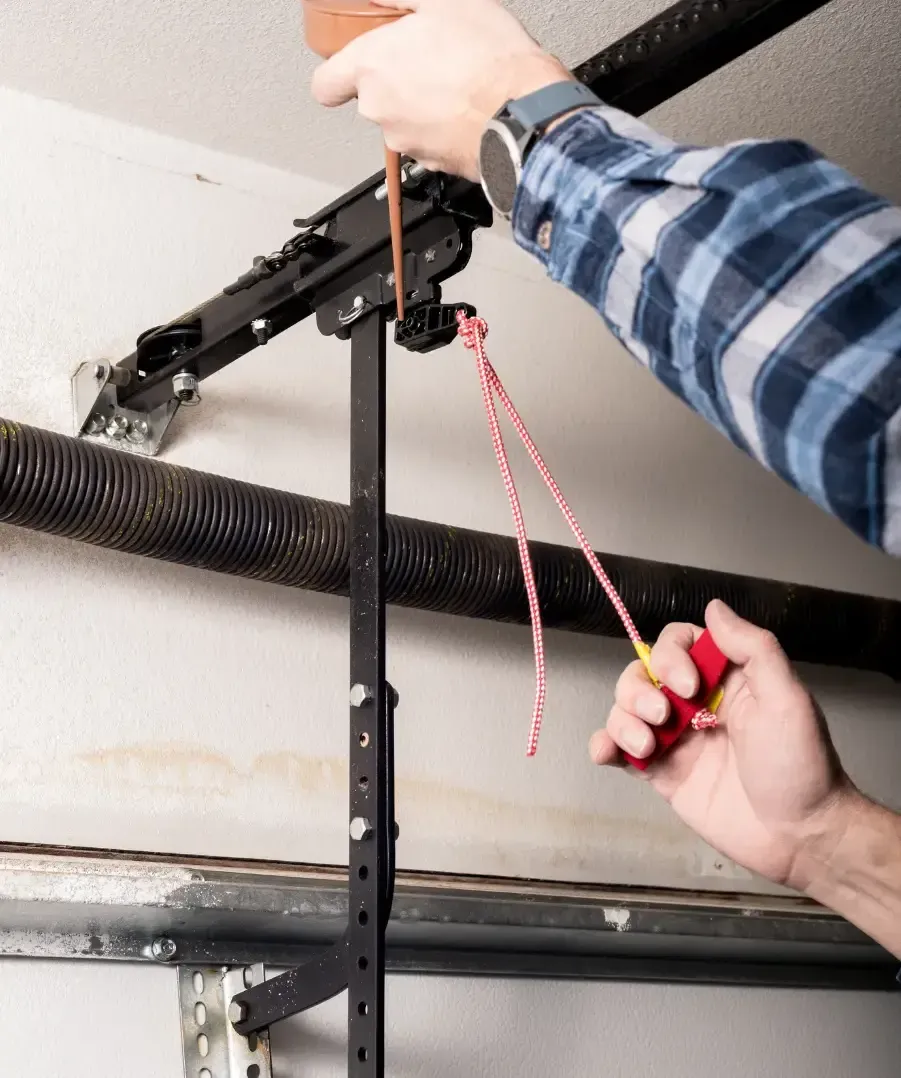
Understanding how to lubricate garage door parts is crucial to guaranteeing silent and seamless functioning. Before starting, identify all the parts that require lubrication. Typically, this includes moving parts like rollers, hinges, and torsion springs, but not tracks, as grease can interfere with proper alignment. Here’s how to accomplish garage door lubrication successfully:
Regularly following these steps ensures your garage door operates without squeaks, jerks, or unnecessary strain on its mechanisms.
Summing Up
Maintaining the operation of your garage door requires a small amount of work. You may save time and money on future repairs by knowing how to lubricate garage door components and clean garage door tracks. If you combine these efforts with expert help when required, your garage door will continue to function dependably for many years to come.
However, if you feel like you need professional assistance because you have never done anything like this before or your door hasn’t been cleaned and lubricated properly for a long time, we at 24H Garage Doors are always ready to help! Contact us now to schedule your next garage door maintenance appointment!
However, if you feel like you need professional assistance because you have never done anything like this before or your door hasn’t been cleaned and lubricated properly for a long time, we at 24H Garage Doors are always ready to help! Contact us now to schedule your next garage door maintenance appointment!
Frequently Asked Questions (FAQ)
Why is regular cleaning and lubrication important for a garage door?
Regular cleaning and lubrication reduce mechanical friction, prevent premature wear on moving metal parts, protect against rust and corrosion, and ensure quiet, smooth operation. Routine maintenance significantly extends the lifespan of your opener motor, torsion springs, and rollers while helping prevent unexpected, costly emergency breakdowns.
What is the best lubricant to use on a residential garage door?
Always use a silicone-based spray lubricant or white lithium grease specifically formulated for garage doors. These products reduce friction without attracting dust, dirt, or pet hair. Never use standard WD-40, general-purpose penetrating oils, or heavy engine grease, as they strip factory coatings and leave a sticky residue that causes sludge buildup over time.
Which garage door parts should be lubricated?
You should apply lubricant to all moving metal components, including the steel roller ball bearings, hinges, torsion springs, lock mechanisms, and bearing plates. When spraying torsion springs, apply a light, even coat across the coils to eliminate squeaking and reduce friction as the springs stretch and wind.
Should I spray lubricant directly inside the garage door tracks?
No, you should never apply grease, oil, or spray lubricants directly onto or inside the garage door tracks. Lubricating the tracks attracts outdoor dust and grime, creating a thick sludge that causes the rollers to slide or derail instead of rolling smoothly. Instead, clean the tracks using a damp cloth or citrus degreaser and wipe them completely dry.
How often should I clean and lubricate my garage door?
For standard household use, perform a complete cleaning and lubrication routine every six months. If your garage door is used heavily (cycling multiple times a day as the primary household entrance) or is exposed to harsh weather conditions like humid summers or coastal salt air, you should inspect, clean, and lubricate the system every three months.
How do I clean my garage door panels and weatherstripping safely?
Wash the exterior door panels using a soft cloth or sponge dampened with mild soapy water (such as dish soap or automotive shampoo), then rinse gently with a low-pressure garden hose. For bottom astragal seals and vinyl perimeter weatherstripping, wipe away accumulated dirt and apply a silicone-based protectant to keep the rubber pliable and prevent freezing or cracking.
Frequently Asked Questions
Why is regular cleaning and lubrication important for a garage door?
Regular cleaning and lubrication reduce mechanical friction, prevent premature wear on moving metal parts, protect against rust and corrosion, and ensure quiet, smooth operation. Routine maintenance significantly extends the lifespan of your opener motor, torsion springs, and rollers while helping prevent unexpected, costly emergency breakdowns.
What is the best lubricant to use on a residential garage door?
Always use a silicone-based spray lubricant or white lithium grease specifically formulated for garage doors. These products reduce friction without attracting dust, dirt, or pet hair. Never use standard WD-40, general-purpose penetrating oils, or heavy engine grease, as they strip factory coatings and leave a sticky residue that causes sludge buildup over time.
Which garage door parts should be lubricated?
You should apply lubricant to all moving metal components, including the steel roller ball bearings, hinges, torsion springs, lock mechanisms, and bearing plates. When spraying torsion springs, apply a light, even coat across the coils to eliminate squeaking and reduce friction as the springs stretch and wind.
Should I spray lubricant directly inside the garage door tracks?
No, you should never apply grease, oil, or spray lubricants directly onto or inside the garage door tracks. Lubricating the tracks attracts outdoor dust and grime, creating a thick sludge that causes the rollers to slide or derail instead of rolling smoothly. Instead, clean the tracks using a damp cloth or citrus degreaser and wipe them completely dry.
How often should I clean and lubricate my garage door?
For standard household use, perform a complete cleaning and lubrication routine every six months. If your garage door is used heavily (cycling multiple times a day as the primary household entrance) or is exposed to harsh weather conditions like humid summers or coastal salt air, you should inspect, clean, and lubricate the system every three months.
How do I clean my garage door panels and weatherstripping safely?
Wash the exterior door panels using a soft cloth or sponge dampened with mild soapy water (such as dish soap or automotive shampoo), then rinse gently with a low-pressure garden hose. For bottom astragal seals and vinyl perimeter weatherstripping, wipe away accumulated dirt and apply a silicone-based protectant to keep the rubber pliable and prevent freezing or cracking.