Garage door springs do the heavy lifting – literally. They balance the door’s weight, allowing it to open and close smoothly every time. That’s why choosing the right type of spring for your garage door is more important than you might think. The wrong one can cause frequent breakdowns, uneven movement, or even create safety risks. Luckily, understanding the difference between torsion springs and extension springs can help you avoid these issues. With the right spring, your garage door will operate smoothly, reliably, and safely.
Whether you’re planning an upgrade or just curious about how your garage door system works, this guide will help you better understand the basics and make informed decisions.
What is the difference between torsion and extension springs
Published: Dec 17, 2024 | Updated: Jul 28, 2026
What Are Torsion Springs and How Do They Work?
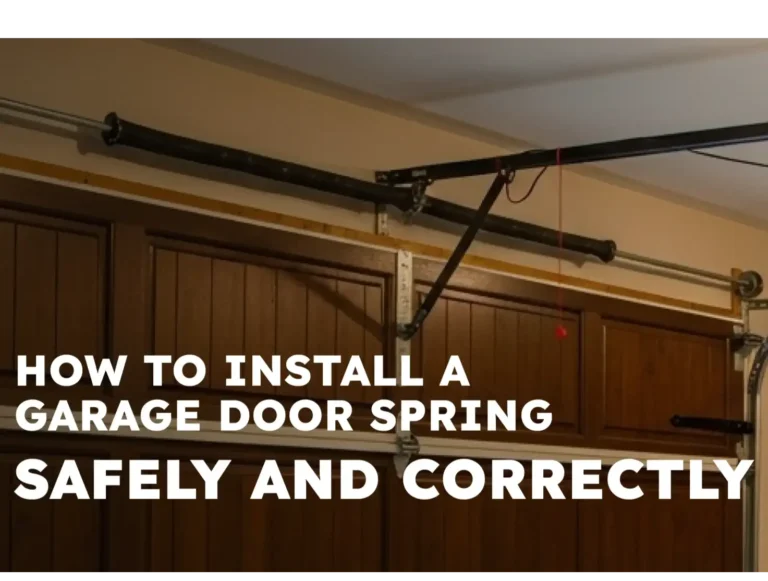
Torsion springs are the heart of a garage door’s operation. They ensure smooth and balanced movement. Located horizontally above the door, these springs twist to store energy when the door closes. As the door opens, the springs unwind and use that stored energy to lift the door evenly and effortlessly. This also helps to distribute the door’s weight evenly, so there’s no extra stress on other parts, and extends the life of the system. Torsion springs are great for heavy or oversized doors. Also, they’re durable and precise, so many homeowners love them. To keep torsion springs running at their best regular maintenance is key. It helps prevent wear and tear and reduces the risk of costly cable replacements down the road.
What Are Extension Springs and When Are They Used?
Extension springs work differently. They’re mounted on the sides of the garage door and stretch to create the force to lift the door. These springs are often found in lighter garage doors or older systems, so they’re a budget-friendly option for homeowners seeking a straightforward solution.
However, while extension springs are cheaper upfront, they’re under more tension and wear out faster. Over time, this stretching can cause uneven lifting, especially if one spring weakens before the other, potentially leading to alignment issues. If you’re thinking about upgrading or need an alternative to torsion springs, extension springs could be a practical choice.
To make the best decision, it’s helpful to weigh the pros and cons of both options. Below is a quick summary to guide you.
However, while extension springs are cheaper upfront, they’re under more tension and wear out faster. Over time, this stretching can cause uneven lifting, especially if one spring weakens before the other, potentially leading to alignment issues. If you’re thinking about upgrading or need an alternative to torsion springs, extension springs could be a practical choice.
To make the best decision, it’s helpful to weigh the pros and cons of both options. Below is a quick summary to guide you.
Key Differences Between Torsion and Extension Springs
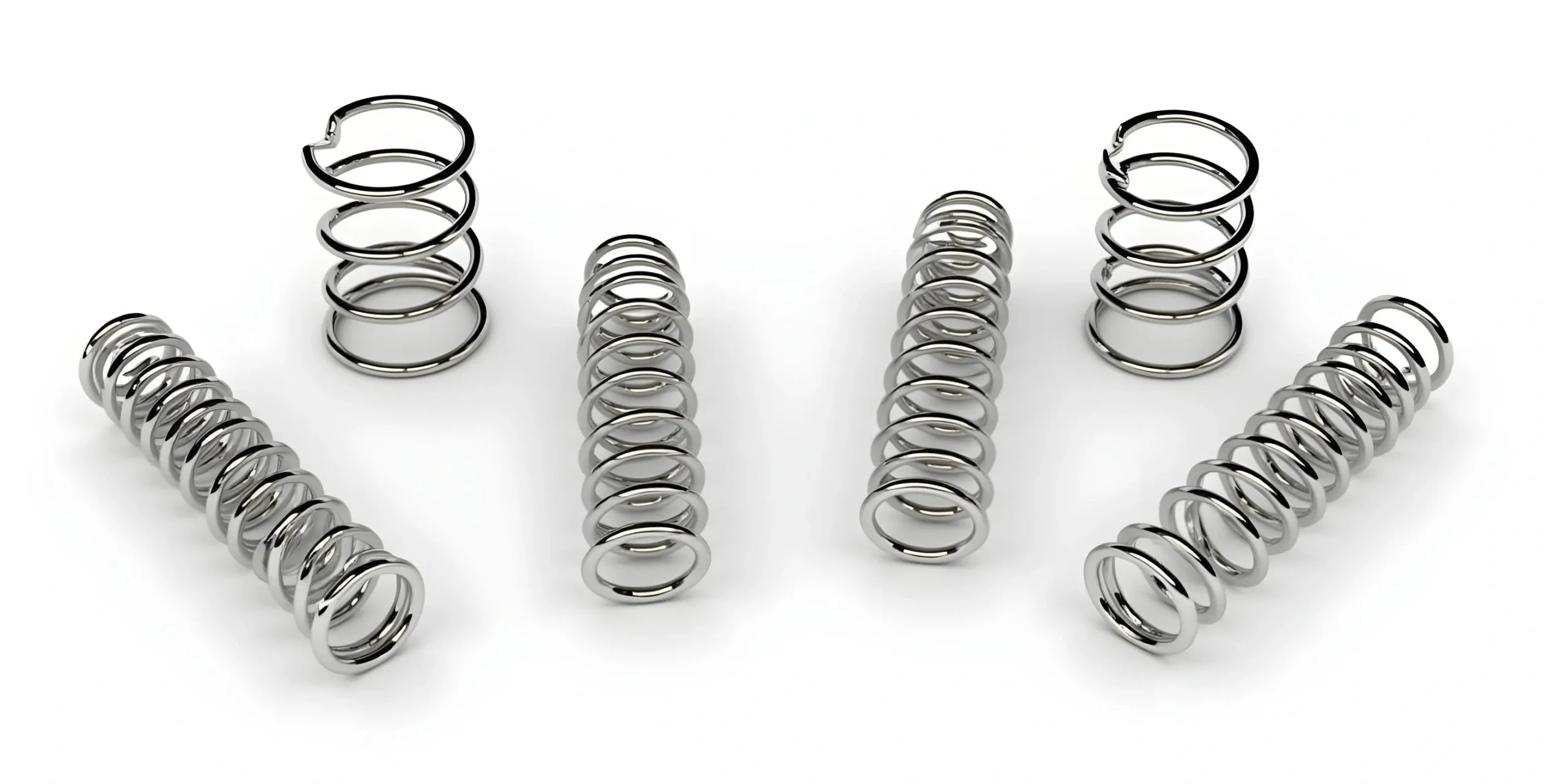
Selecting the right spring for your garage door starts with understanding how torsion springs and extension springs differ. Here’s a quick comparison to guide your choice:
How to Choose the Right Spring for Your Garage Door
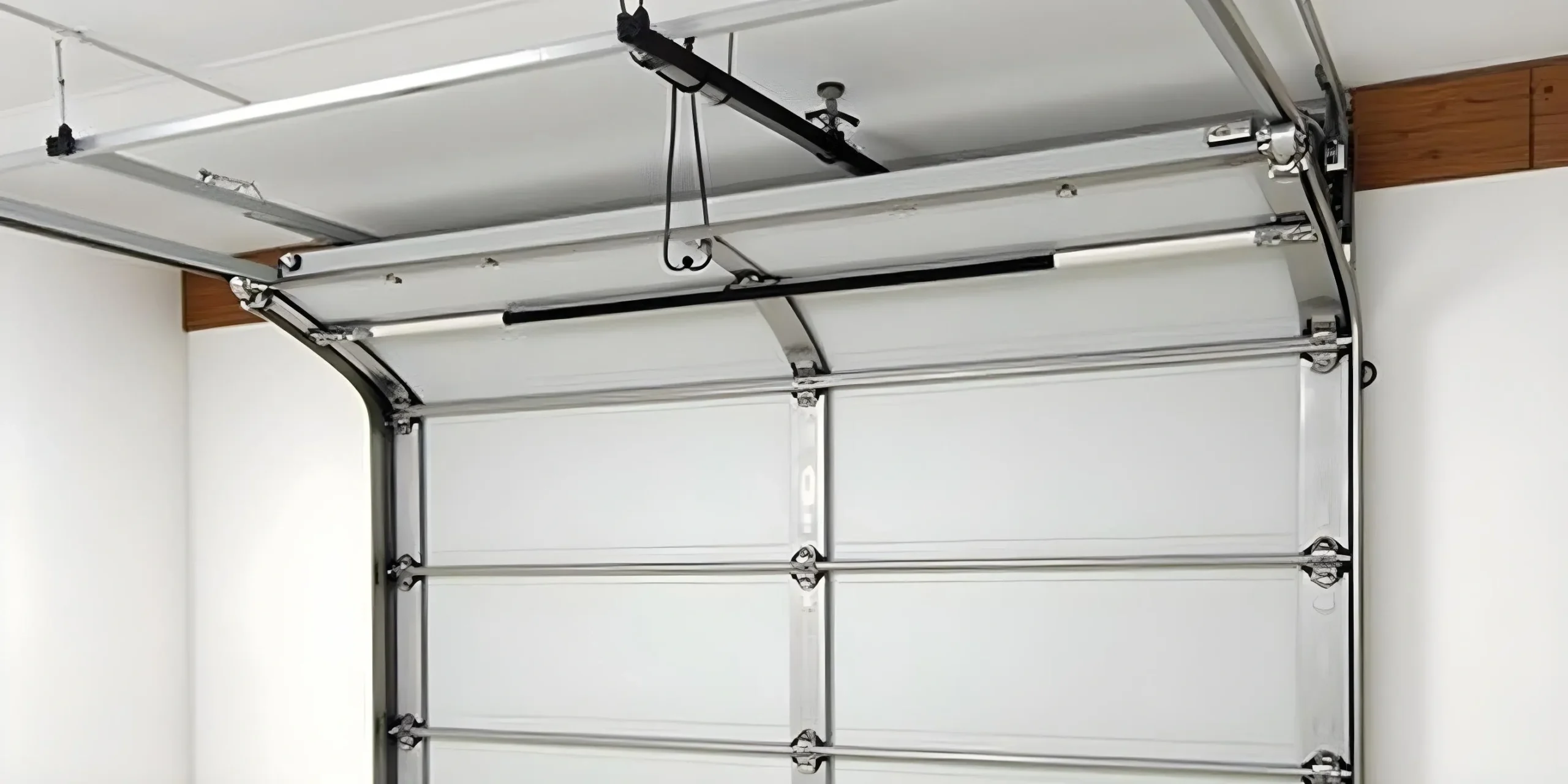
For many homeowners, torsion springs are a popular choice because they’re durable and require little maintenance. These springs are also perfect for heavier doors, frequent use, and anyone looking for a long-lasting, low-hassle solution. On the other hand, extension springs can work well for lighter doors and are a budget-friendly solution. Just keep in mind that they don’t last as long and require more regular maintenance.
Ultimately, the final decision depends on several factors, including your budget, preferences, specific needs, and the type of garage door you have. Taking the time to consider these aspects will help you choose the option that works best for your home.
If you’re feeling unsure about which type to choose, planning an upgrade, or dealing with a repair, reaching out to a professional can make things easier. An experienced technician can assess your garage door setup, recommend the right spring type, and handle repairs or replacements. That way, you can count on your garage door to work safely and smoothly for years to come.
If you’re feeling unsure about which type to choose, planning an upgrade, or dealing with a repair, reaching out to a professional can make things easier. An experienced technician can assess your garage door setup, recommend the right spring type, and handle repairs or replacements. That way, you can count on your garage door to work safely and smoothly for years to come.
Conclusion
In summary, choosing the right spring for your garage door is more than a technical decision – it’s the key to smooth, reliable door operation. Torsion springs bring strength and grace, perfect for heavier doors and a life of low maintenance. Extension springs, though lighter on the wallet, work best for smaller doors, offering a practical but less enduring solution.
Trust a professional like 24-Hour Garage Doors to guide your choice and provide proper installation, making sure your garage door stays safe, balanced, and ready to serve for years to come.
Trust a professional like 24-Hour Garage Doors to guide your choice and provide proper installation, making sure your garage door stays safe, balanced, and ready to serve for years to come.
Frequently Asked Questions
How do torsion springs actually lift my garage door?
Torsion springs are mounted horizontally above the door and twist to store energy when the door closes. As the door opens, the springs unwind and use that stored energy to lift the door evenly and effortlessly. This also distributes the door's weight evenly, reducing stress on other parts and extending the life of the system.
When are extension springs typically used, and what are their drawbacks?
Extension springs are mounted on the sides of the door and stretch to create the force that lifts it, and they are often found in lighter garage doors or older systems. They are a budget-friendly option, but they are under more tension and wear out faster. Over time, the stretching can cause uneven lifting, especially if one spring weakens before the other, which can lead to alignment issues.
Which type of spring is better for a heavy or oversized door?
Torsion springs are great for heavy or oversized doors. They are durable and precise, which is why many homeowners prefer them. Regular maintenance helps keep them running at their best and reduces the risk of costly cable replacements down the road.
What are the key differences between torsion and extension springs?
The main differences are in design, functionality, and durability. Torsion springs are mounted horizontally above the door and twist to store energy for smoother, more controlled operation, while extension springs are installed on either side and stretch, resulting in a jerkier motion. Torsion springs also tend to last longer and require fewer replacements, making them more cost-effective in the long term.