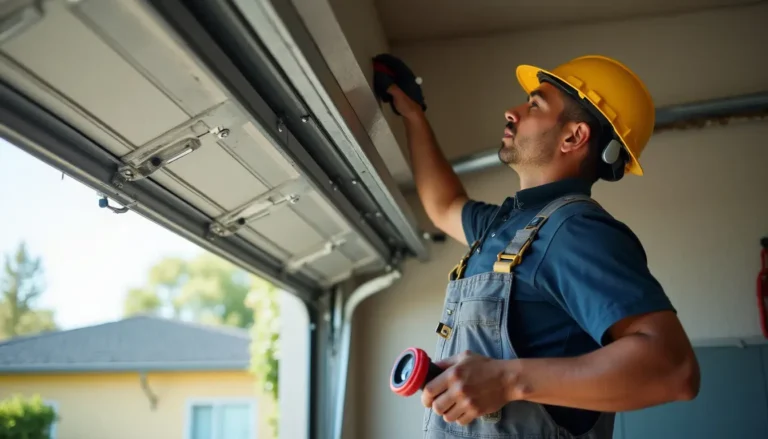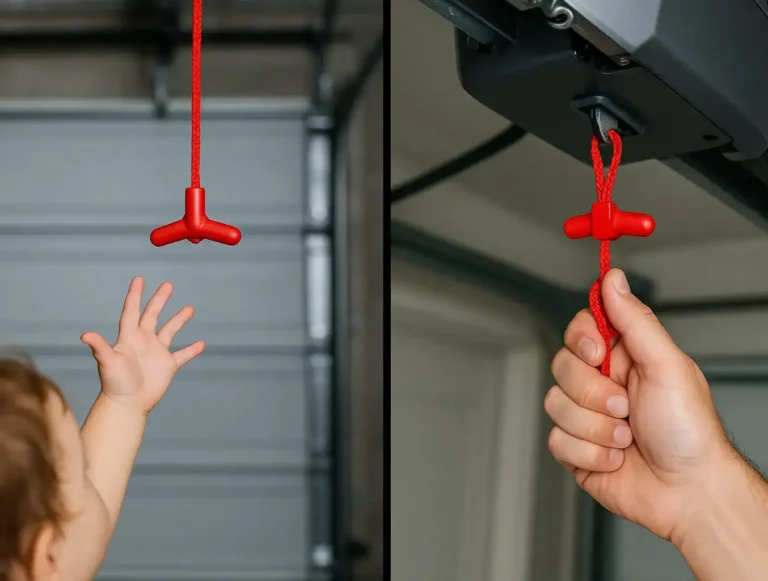
Your garage door is one of the hardest-working parts of your home, opening and closing hundreds of times a year. It safeguards your home and belongings while also boosting curb appeal. Over time, wear and tear can impact its function, so regular maintenance is key to keeping it running smoothly. By staying on top of garage door care, you can be sure it remains safe, functional, and long-lasting.
With this guide, caring for your doors becomes simple and manageable. We’ve gathered the most essential garage door maintenance tips and explained how to apply them step by step. However, some issues might be more serious and require expert attention. That’s when calling in professional Garage Door Services becomes essential.
Read on to learn how to keep your garage door secure, reliable, and efficient!
The Ultimate Guide to Garage Door Care
Published: Dec 9, 2024 | Updated: Jul 28, 2026
The Importance of Regular Garage Door Upkeep
Regular care keeps doors in optimal shape, minimizes wear and tear, and prevents potential breakdowns. By following our garage door maintenance checklist, you can identify small issues early, avoid costly repairs, and extend the lifespan of your system. On the other hand, neglecting maintenance can lead to safety risks, sudden malfunctions, or even complete system failure.
Follow these practical steps to save yourself the trouble later on:
Follow these practical steps to save yourself the trouble later on:
Provide Regular Inspections
Monthly inspections are a simple and effective way to maintain your garage door and catch issues early. Taking a few minutes to examine it can help you avoid costly repairs and unexpected breakdowns. Focus on the following areas:
Catching these issues early helps ensure your garage door system is in good working order.
Test Safety Features
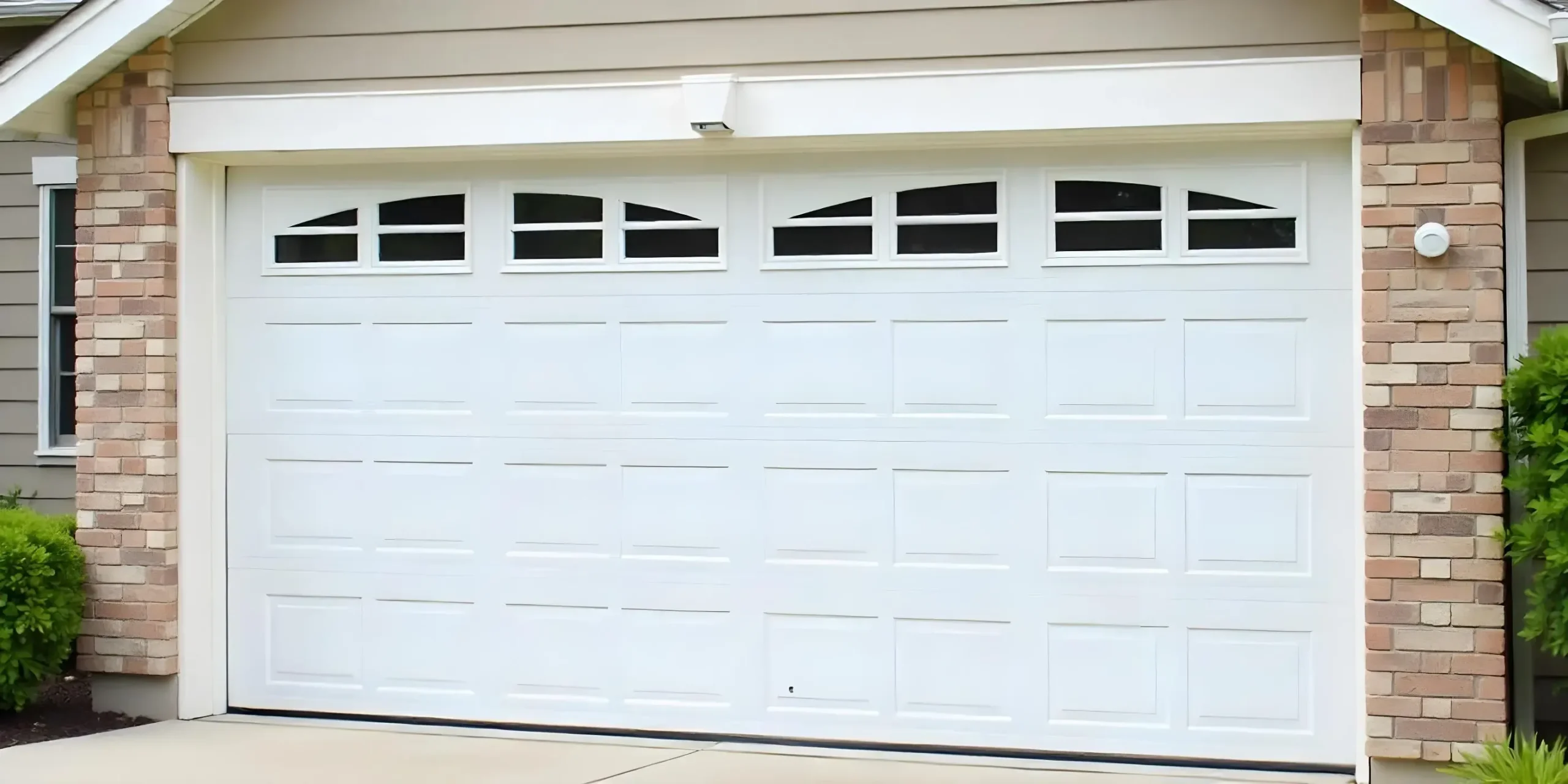
Safety features like the auto-reverse mechanism and motion sensors are critical for protecting your family and property. Testing them regularly is a key part of garage door care, preventing potential accidents.
To test the auto-reverse feature, place an object, like a block of wood, under the door and close it. The door should automatically reverse upon contact. If it does not, start by cleaning the sensors to remove any dust or debris. Plus, check their alignment to ensure sensors are pointing directly at each other.
If the issue persists after these adjustments, it’s time to consult a professional to repair or recalibrate the system.
To test the auto-reverse feature, place an object, like a block of wood, under the door and close it. The door should automatically reverse upon contact. If it does not, start by cleaning the sensors to remove any dust or debris. Plus, check their alignment to ensure sensors are pointing directly at each other.
If the issue persists after these adjustments, it’s time to consult a professional to repair or recalibrate the system.
Check Balance and Tension
A balanced door operates smoothly and prevents strain on your opener. To test balance, disconnect the opener and manually lift the door halfway. If it stays in place, it is balanced. If it moves up or down, it’s recommended to call a professional to adjust the tension.
Equally important is keeping the tracks in good condition. Garage door track maintenance, including regular cleaning and checking for misalignment, is key for keeping the door moving smoothly and reliably. Misaligned or damaged tracks can cause uneven movement, putting unnecessary strain on the door and its components.
Addressing both balance and track issues early is important for a reliable and long-lasting garage door system.
Equally important is keeping the tracks in good condition. Garage door track maintenance, including regular cleaning and checking for misalignment, is key for keeping the door moving smoothly and reliably. Misaligned or damaged tracks can cause uneven movement, putting unnecessary strain on the door and its components.
Addressing both balance and track issues early is important for a reliable and long-lasting garage door system.
Lubricate Moving Parts
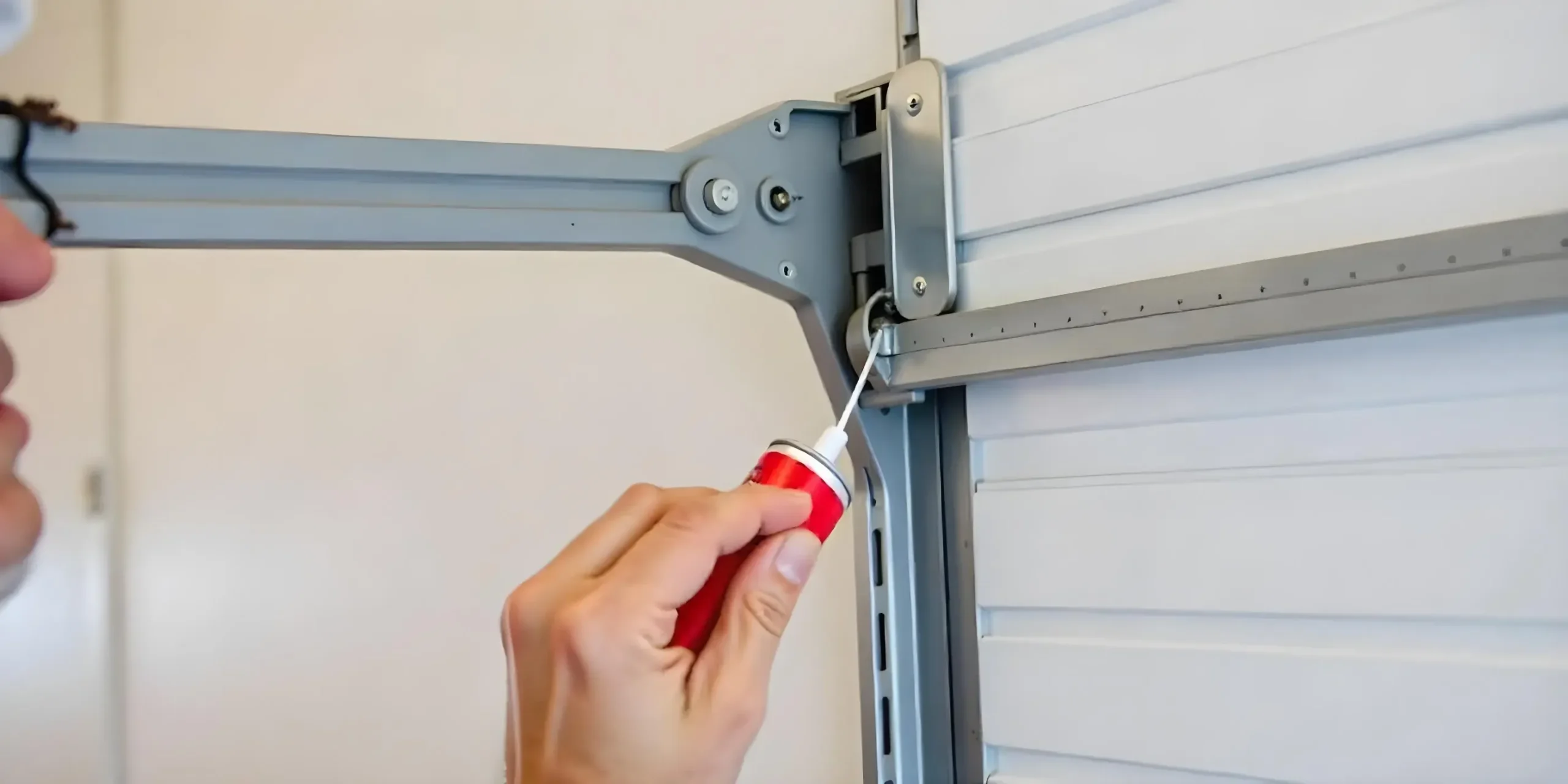
Lubrication reduces friction and extends the life of your garage door components. Apply a silicone-based or lithium-based lubricant to:
Avoid using thick oils that attract dirt, as they can disrupt your garage door’s smooth operation. Professionals recommend lubricating your garage door every six months, but in extreme heat, cold, or humidity, more frequent maintenance may be necessary.
Regular cleaning is equally important. Dirt and debris often build up on parts like tracks, rollers, and hinges, reducing efficiency or even causing the door to stick. Include surface and component cleaning in your maintenance routine to make sure your garage door stays in top condition.
Regular cleaning is equally important. Dirt and debris often build up on parts like tracks, rollers, and hinges, reducing efficiency or even causing the door to stick. Include surface and component cleaning in your maintenance routine to make sure your garage door stays in top condition.
How Often Should You Maintain Your Garage Door?
Consistency is key for proper garage door maintenance. Each month, spend a few minutes inspecting the door, cleaning the tracks, and testing the safety features. These small steps help you catch potential problems early and avoid bigger issues.
Every six months, take additional steps by applying lubricant to hinges, rollers, and springs and checking the door’s balance and tension. These efforts ensure smooth operation, reduce wear and extend your garage door’s lifespan.
Every six months, take additional steps by applying lubricant to hinges, rollers, and springs and checking the door’s balance and tension. These efforts ensure smooth operation, reduce wear and extend your garage door’s lifespan.
Regular Professional Check-Ups
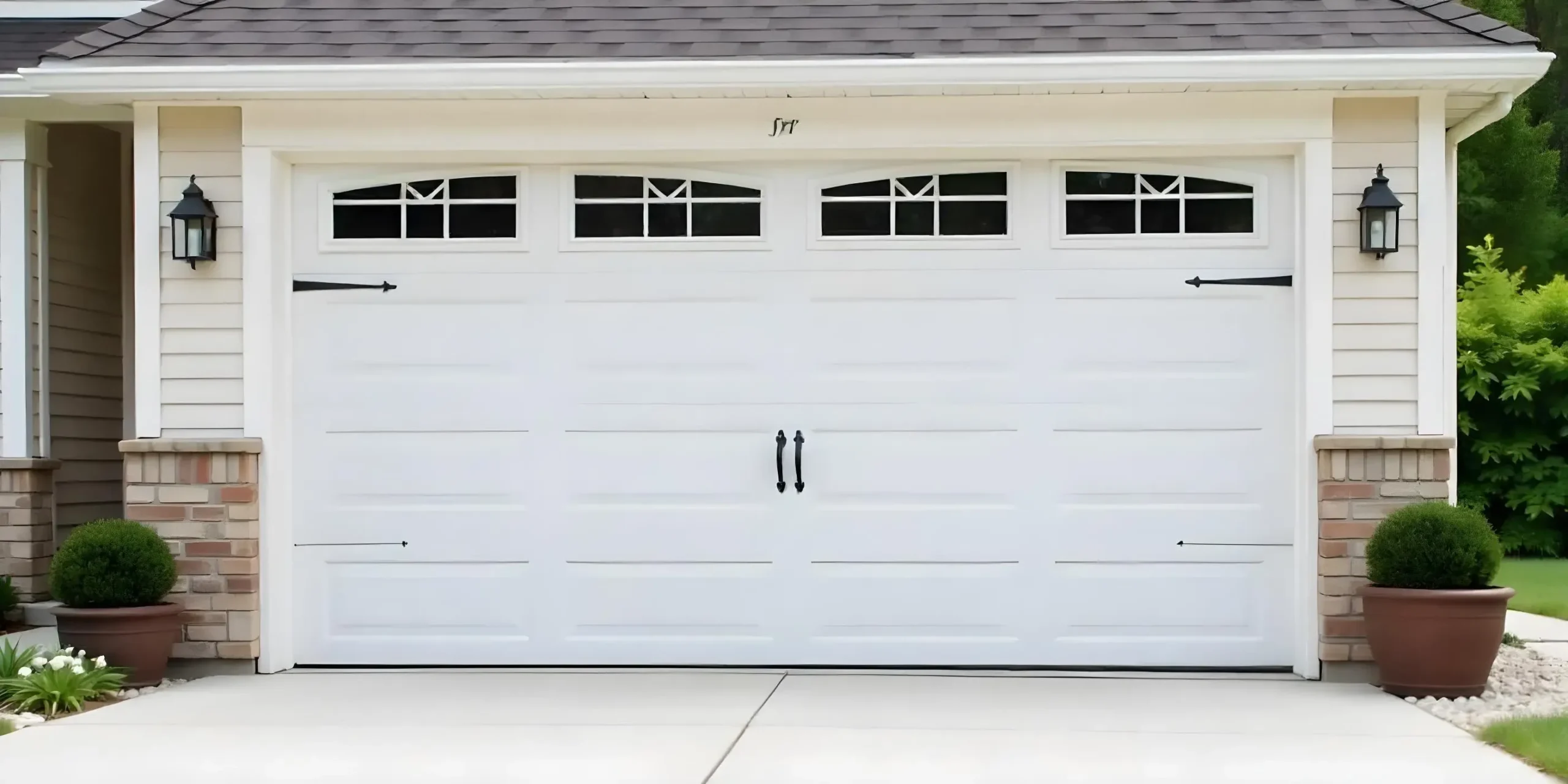
Although DIY maintenance is essential, an annual professional inspection adds an extra layer of protection. Experts can identify hidden problems, including worn springs, misaligned cables, or rusted components, that are often overlooked during a DIY check-up. In fact, even minor issues can quickly turn into costly repairs.
Additionally, technicians can offer expert advice or professional upgrades to ensure your garage door operates efficiently.
If you’re looking for reliable garage door services, 24H Garage Doors provides quick response and tailored solutions. Trust us to keep your garage door in top condition.
Additionally, technicians can offer expert advice or professional upgrades to ensure your garage door operates efficiently.
If you’re looking for reliable garage door services, 24H Garage Doors provides quick response and tailored solutions. Trust us to keep your garage door in top condition.
Conclusion
In summary, with just a little attention, you can keep your garage doors running smoothly for years. Regular cleaning, quick inspections, and annual professional check-ups are all it takes to keep things in top shape. Furthermore, addressing small issues before they turn into costly problems saves you both time and money.
If you need expert maintenance or quick repairs, rely on 24H Garage Doors to get the job done right. We’re here to help protect your home and keep your garage door functioning like new, year after year!
If you need expert maintenance or quick repairs, rely on 24H Garage Doors to get the job done right. We’re here to help protect your home and keep your garage door functioning like new, year after year!
Frequently Asked Questions
How often should I inspect my garage door?
A monthly inspection is a simple and effective way to maintain your garage door and catch issues early. Taking just a few minutes to examine it can help you avoid costly repairs and unexpected breakdowns. During each check, focus on areas like frayed or worn cables, dents or bends in the tracks, unusual noises, and rust or corrosion on metal parts.
What is the easiest way to test my door's auto-reverse feature?
To test the auto-reverse feature, place an object such as a block of wood under the door and then close it. The door should automatically reverse as soon as it makes contact with the object. If it does not reverse, start by cleaning the sensors to remove dust or debris and checking that they are aligned and pointing directly at each other.
How can I tell if my garage door is properly balanced?
To test the balance, disconnect the opener and manually lift the door about halfway. If the door stays in place on its own, it is balanced, but if it moves up or down, the tension likely needs adjustment. A balanced door operates smoothly and prevents strain on your opener, and it is recommended to call a professional to adjust the tension.
What happens if I skip regular garage door maintenance?
Neglecting maintenance can lead to safety risks, sudden malfunctions, or even complete system failure. Regular care keeps the door in optimal shape, minimizes wear and tear, and helps you identify small issues early so you can avoid costly repairs. Staying on top of upkeep also extends the lifespan of your system and keeps it safe and reliable.