Lubrication is one of the most important maintenance tasks for homeowners. Moreover, lubrication, unlike aligning tracks, repairing springs, etc., can be easily conducted on your own.
This article will help you choose the best garage door lubricant and show you where and how to apply it for maximum results. Proper lubrication can also save you from expensive garage door repair.
What Is the Best Lubricant for Garage Doors?
Published: Oct 20, 2024 | Updated: Jul 28, 2026
Why Is Lubrication Important for Garage Doors?
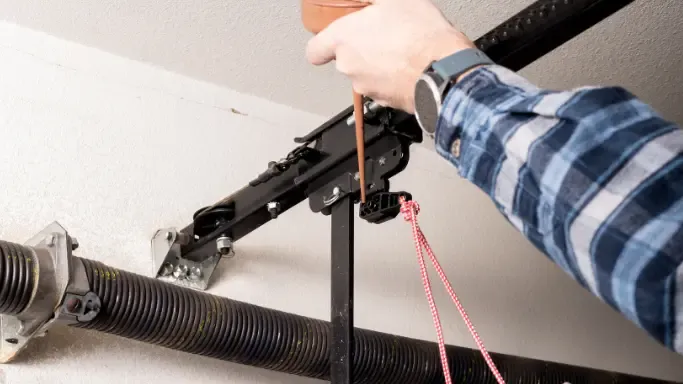
Lubrication is the key to reducing friction between the moving parts of your garage door system. It keeps parts like tracks, rollers, and hinges moving smoothly without wear and tear. By regularly applying a good quality garage door lubricant spray, you can extend the life of your garage door and avoid frequent garage door repairs. Lubrication keeps the door functioning and safe.
There are many types of garage door lubricant sprays to choose from. The best are silicone-based sprays and lithium grease. Silicone sprays are easy to apply, get deep into the parts, and resist dirt and dust. Lithium grease gives thicker coverage and longer protection.
Choose the one that’s right for your door and the weather conditions.
There are many types of garage door lubricant sprays to choose from. The best are silicone-based sprays and lithium grease. Silicone sprays are easy to apply, get deep into the parts, and resist dirt and dust. Lithium grease gives thicker coverage and longer protection.
Choose the one that’s right for your door and the weather conditions.
Which Lubricant is Best for Garage Doors?
The answer to the question “What’s the best lubricant for garage doors?” depends on your door. White lithium grease and silicone-based garage door lubrication spray are the two most recommended products for homeowners. Lithium grease is good for metal parts, especially under high temp; silicone spray is more flexible for metal and non-metal parts.
Choosing the best garage door lubricant means choosing one that lasts longer, makes less noise, and reduces friction. Plus, quality products ensure the moving parts don’t have too much dust or dirt on them.
Choosing the best garage door lubricant means choosing one that lasts longer, makes less noise, and reduces friction. Plus, quality products ensure the moving parts don’t have too much dust or dirt on them.
Where to Spray Garage Door Lubricant
Choosing the right product is as important as knowing where to spray garage door lubrication. Here’s a step-by-step guide to show you where to lubricate your garage door.
You can prevent wear and tear and keep your garage door running smoothly by lubricating these areas.
Signs Your Garage Door Needs Greasing
Do you think your door needs lubrication? Here are the signs:
A quick fix for any of these is to lubricate your garage door.
How to Lubricate Garage Doors
Regular lubrication is a crucial part of maintaining your garage door in top shape. But how often should you lubricate? Depending on your location, it’s recommended to lubricate your garage door every 6 months. This routine maintenance will ensure smooth operation, reduce friction, and prevent corrosion, ultimately extending the life of your garage door.
For DIY lubrication:
For DIY lubrication:
The Role of Professional Garage Door Services in CT
Though lubricating your garage door is a DIY task, there are times when expert help is needed. Call 24H Garage Door Services if your garage door still shows wear signs like strange noises or uneven movement even after you’ve lubricated it frequently. Our team will take care of regular maintenance, lubricate garage doors properly, and fix any underlying issues needing a professional touch.
Expert services like 24H Garage Door Services will ensure your garage door is maintained and inspected for potential issues that may become bigger and more expensive repairs. Connecticut residents can get trusted help by calling.
Expert services like 24H Garage Door Services will ensure your garage door is maintained and inspected for potential issues that may become bigger and more expensive repairs. Connecticut residents can get trusted help by calling.
Conclusion
Use the best garage door lubricant to make your garage door last long and run smoothly. Whether you use lithium grease or silicone spray, lubricate your garage door regularly and save yourself from expensive repairs and optimal performance. 24H Garage Door Services in New Haven, CT is always available to maintain, repair, and extend the life of your garage door if you need expert help.
Frequently Asked Questions
Which type of lubricant should I use on my garage door?
The two most recommended products for homeowners are white lithium grease and silicone-based garage door lubrication spray. Lithium grease is good for metal parts, especially under high temperatures, while silicone spray works well on both metal and non-metal parts. The right choice depends on your door and your weather conditions.
What is the difference between silicone spray and lithium grease?
Silicone sprays are easy to apply, get deep into the parts, and resist dirt and dust. Lithium grease gives thicker coverage and longer protection and is especially suited to metal parts under high temperatures. Choosing the best option means picking one that lasts longer, makes less noise, and reduces friction.
Where exactly should I apply lubricant on my garage door?
Lubricate the pivot points on the hinges to reduce noise and friction, and apply lubricant to the ball bearings inside the rollers for smooth movement along the tracks. Clean the tracks first, then apply a light coat of oil focusing on the areas where the rollers slide. You should also apply a coat to the torsion springs to improve tension and balance and reduce noise.
How can I tell when my garage door needs to be lubricated, and how often should I do it?
Signs that your door needs lubrication include squeaks or scrapes during operation, uneven or jerky movement, and stiff or hard-to-move parts. It is generally recommended to lubricate your garage door every 6 months, though this can depend on your location. This routine maintenance ensures smooth operation, reduces friction, and helps prevent corrosion.