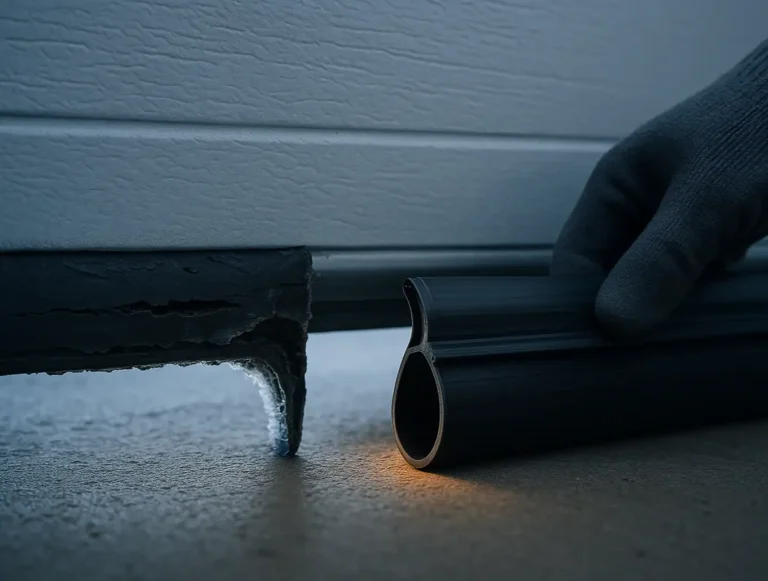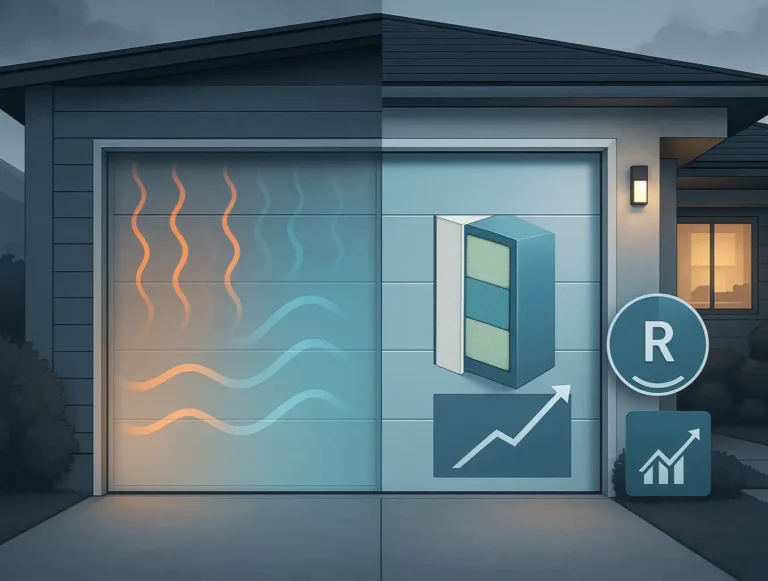
When it comes to maintaining your home’s energy efficiency, garage door insulation is often overlooked. At 24H Garage Doors, we understand the importance of a well-insulated garage door—not only does it help regulate your garage’s temperature, but it also enhances your home’s overall comfort and energy savings. In this blog post, we’ll explore the best types of garage door insulation, considering factors such as material, R-value, and ease of installation. Whether you’re looking to keep your garage warm during winter or cool in the summer, we’ve got you covered. Let’s dive in!
The Best Types of Garage Door Insulation
Published: Oct 17, 2024 | Updated: Jul 28, 2026
Polystyrene Insulation
Polystyrene insulation, commonly found in rigid foam boards, is a popular choice for garage doors due to its excellent thermal properties and durability. This material provides a solid barrier against temperature fluctuations, making it ideal for homeowners in regions with extreme weather conditions.
Polystyrene is lightweight and easy to install, often coming in pre-cut panels that fit snugly into the door’s sections. The R-value, which measures insulation effectiveness, typically ranges from 3.5 to 6.5, depending on the thickness of the foam.
In addition to its thermal benefits, polystyrene insulation also offers soundproofing qualities, helping to minimize noise from outside and creating a quieter environment in your garage. This makes it an excellent option for those who use their garages as workshops or recreational spaces. With proper installation, polystyrene can significantly enhance your garage’s energy efficiency while adding to its overall aesthetic appeal.
In addition to its thermal benefits, polystyrene insulation also offers soundproofing qualities, helping to minimize noise from outside and creating a quieter environment in your garage. This makes it an excellent option for those who use their garages as workshops or recreational spaces. With proper installation, polystyrene can significantly enhance your garage’s energy efficiency while adding to its overall aesthetic appeal.
Polyurethane Insulation
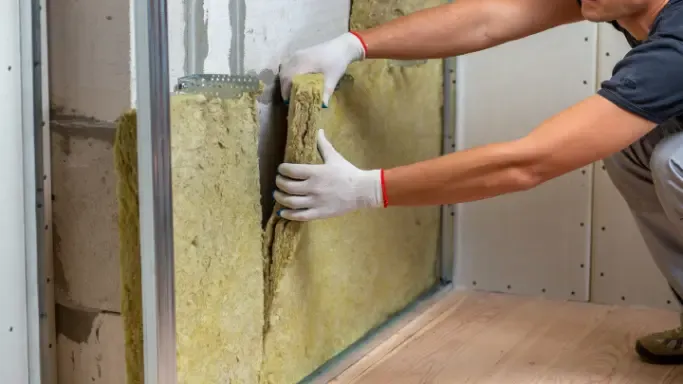
If you’re seeking top-tier insulation performance, polyurethane is often regarded as the gold standard. This material features a high R-value, typically between 6 to 7 per inch, making it one of the most effective insulators on the market. Polyurethane insulation is injected between the garage door panels, providing seamless coverage that minimizes thermal bridging and air leaks.
The benefits of polyurethane go beyond just insulation. Its density offers excellent sound-dampening properties, making your garage a quieter place to work or unwind. Additionally, this type of insulation is more resistant to moisture and pests, providing long-term durability.
However, installation can be more complex than polystyrene, often requiring professional help. At 24H Garage Doors, we have the expertise to install polyurethane insulation correctly, ensuring your garage door performs at its best. Although it may come at a higher price point, the energy savings and comfort provided by polyurethane insulation can be well worth the investment in the long run.
However, installation can be more complex than polystyrene, often requiring professional help. At 24H Garage Doors, we have the expertise to install polyurethane insulation correctly, ensuring your garage door performs at its best. Although it may come at a higher price point, the energy savings and comfort provided by polyurethane insulation can be well worth the investment in the long run.
Summing Up
In summary, choosing the right type of garage door insulation can significantly impact your home’s energy efficiency and comfort levels. Polystyrene offers a great balance of affordability and effectiveness, while polyurethane provides superior insulation performance for those willing to invest a bit more.
Whether you’re looking to enhance your garage’s energy efficiency, reduce noise, or create a more comfortable space, understanding your insulation options is key. At 24H Garage Doors, we’re here to help you make the best choice for your home. Ready to improve your garage? Contact us today for a consultation and let’s get started on your garage door insulation project!
Whether you’re looking to enhance your garage’s energy efficiency, reduce noise, or create a more comfortable space, understanding your insulation options is key. At 24H Garage Doors, we’re here to help you make the best choice for your home. Ready to improve your garage? Contact us today for a consultation and let’s get started on your garage door insulation project!
Frequently Asked Questions
What is polystyrene garage door insulation and what are its benefits?
Polystyrene insulation is commonly found in rigid foam boards and is a popular choice because of its excellent thermal properties and durability. It is lightweight and easy to install, often coming in pre-cut panels that fit snugly into the door's sections, with an R-value typically ranging from 3.5 to 6.5 depending on thickness. It also offers soundproofing qualities, making it a good option for garages used as workshops or recreational spaces.
Why is polyurethane considered the top choice for insulation?
Polyurethane is often regarded as the gold standard because it has a high R-value, typically between 6 and 7 per inch, making it one of the most effective insulators available. It is injected between the garage door panels, providing seamless coverage that minimizes thermal bridging and air leaks. It also offers excellent sound-dampening properties and is more resistant to moisture and pests for long-term durability.
How do polystyrene and polyurethane compare when deciding which to choose?
Polystyrene offers a great balance of affordability and effectiveness, while polyurethane provides superior insulation performance for those willing to invest a bit more. Polystyrene is lightweight and easy to install, whereas polyurethane installation can be more complex and often requires professional help. Although polyurethane may come at a higher price point, the energy savings and comfort can be well worth the investment over time.
Can garage door insulation help reduce noise?
Yes. Polystyrene insulation offers soundproofing qualities that help minimize noise from outside and create a quieter environment in your garage. Polyurethane's density also provides excellent sound-dampening properties, making the garage a quieter place to work or unwind. Both options can help beyond just regulating temperature.