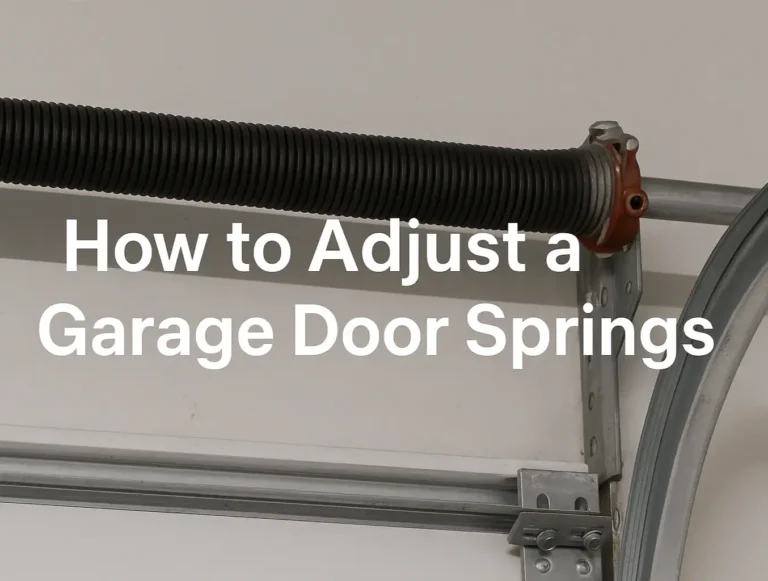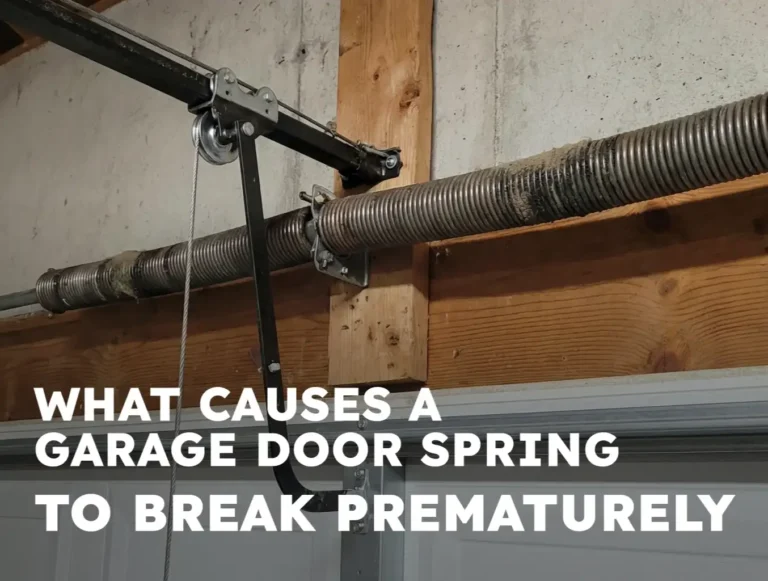
For something we use every single day, the garage door doesn’t usually get much attention – at least until something goes wrong. When it does, broken springs are the most common issue. These components handle a lot of weight, opening and closing our doors thousands of times a year. Like any other mechanism, they do not last forever. Whether it’s wear and tear, weather impact, or a lack of maintenance, springs are bound to fail eventually. Here’s the good news! Most spring problems are preventable. With a little maintenance and care, you can keep your garage door springs working smoothly and avoid unexpected breakdowns.
Let’s start by examining what causes garage door springs to break and then explore some simple strategies to keep them working longer.
How to Prevent Garage Door Springs from Breaking
Published: Feb 13, 2025 | Updated: Jul 28, 2026
Why Do Garage Door Springs Break?
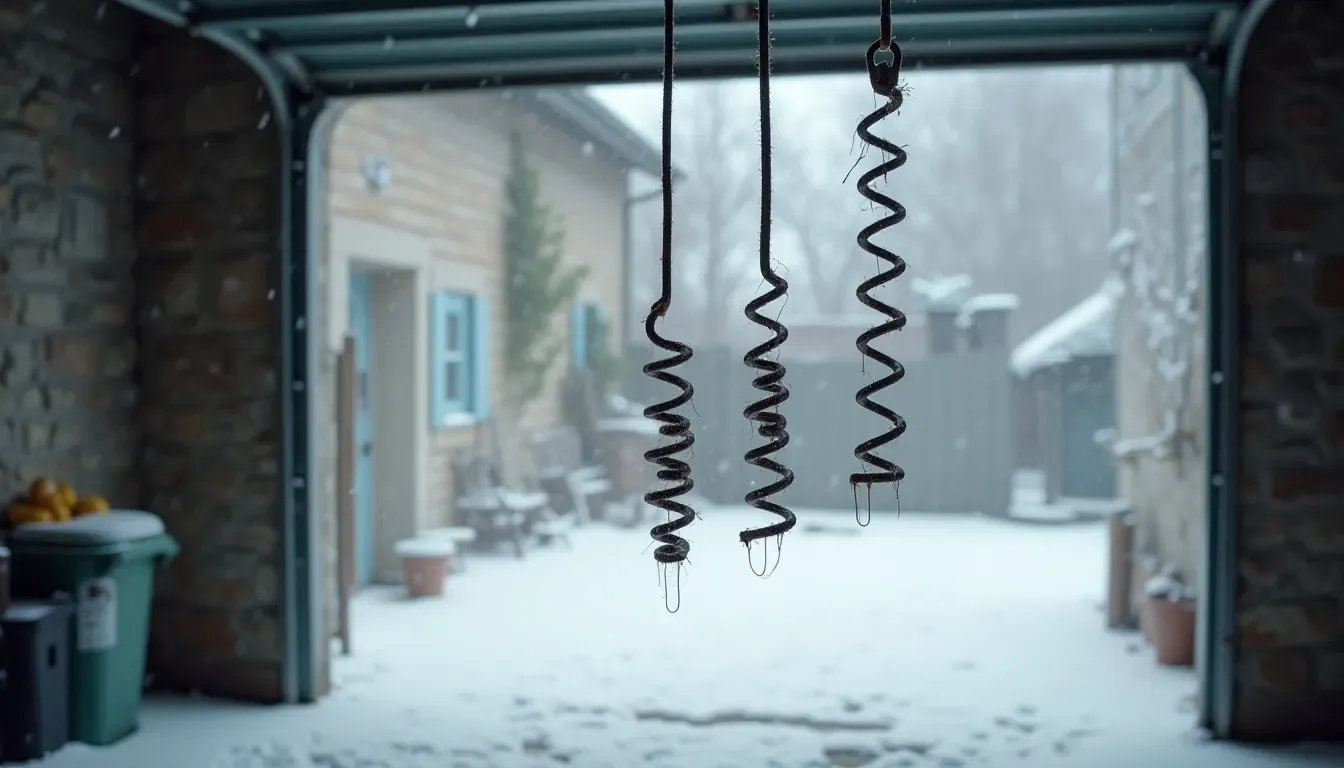
Despite their key role in any garage door system, springs often go unnoticed. They work tirelessly behind the scenes to lift a heavy door. After all, a standard two-car garage door can weigh hundreds of pounds. Over time, the repeated strain of opening and closing wears them down. However, that’s not the only thing that can cause problems. Let’s take a look at what causes garage door springs to break.
Heavy Use and Overloading
Every time you open or close your garage door, the springs go through a cycle. Most springs are designed to handle thousands of cycles, but eventually, all that use adds up. If your family opens and closes the door several times a day for various purposes, the springs will wear out faster.
Adding extra weight to the door, like insulation or hardware, can also strain the springs. They’re designed to handle a specific load, so anything beyond that puts them under more stress than they’re built for.
Environmental Effects
Weather plays a big role in how long your springs last. If you live somewhere with cold winters, the metal can become brittle, making it more likely to snap. In humid areas, moisture can lead to rust, which weakens the springs and makes them prone to breaking. Once rust sets in, even normal use can push a spring past its limit.
Incorrect installation
When springs aren’t installed correctly, they may not evenly carry the door’s weight. This uneven stress can cause one spring to wear out faster than the other or even break completely. For example, mistakes made while replacing cables on a torsion spring garage door can lead to improper tension and imbalance, causing the springs to fail prematurely.
That’s why it’s important to have your garage door installed by someone who knows what they’re doing – it can save you a lot of trouble down the road.
Lack of Regular Maintenance
In general, garage door springs don’t need a ton of upkeep,
but a little goes a long way. Over time, dirt and grime can build up, and if you neglect regular cleaning or lubrication, it makes the springs work harder than they should. Without proper care, even high-quality springs can wear out sooner than expected.
Easy Strategies to Extend the Life of Your Garage Door Springs
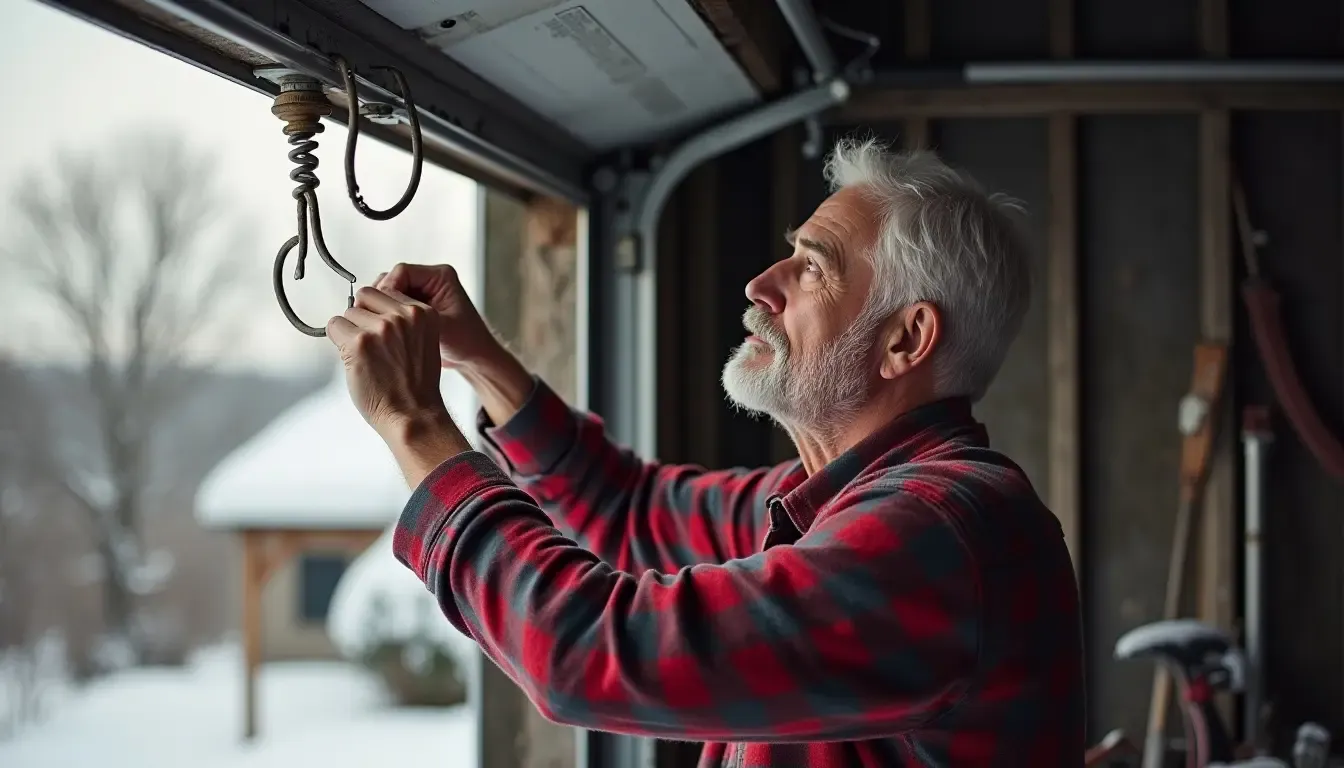
Garage door springs do a lot of heavy lifting, so it’s no surprise that they wear out over time. Fortunately, with a few simple maintenance steps, you can extend the life of your springs and save money on repairs. Whether you’re dealing with an older system or want to keep a new one running smoothly, these tips can help you keep your garage door in optimal condition year-round.
Perform Regular Lubrication
Lubrication is one of the easiest and most effective ways to prevent garage door springs from breaking prematurely. When springs are properly lubricated, they experience less friction during operation, which helps reduce wear and tear.
Use a high-quality silicone-based spray to coat the springs lightly. Apply the lubricant every three to four months or more often if you live in an area with extreme weather conditions. This will keep the springs working smoothly and prevent rust, which is a common cause of spring failure.
Keep Springs Clean and Free of Debris
Over time, dirt and grime can collect on your springs, making them less effective and more prone to failure. This is especially true in garages that are exposed to dust, moisture, or frequent outdoor use.
To keep your springs in good shape, wipe them down with a clean, dry cloth every few months. If you notice any rust forming, treat it right away with a rust remover or a lubricating spray. Cleaning the springs not only extends their life but also gives you a chance to inspect them for visible signs of wear, like cracks or gaps in the coils.
Check Door Balance Periodically
An unbalanced garage door is one of the main reasons garage door springs break prematurely. When the door isn’t properly balanced, it puts extra stress on the springs, causing them to wear out faster than they should.
Here’s how you can check the balance yourself:
If the door moves up or down instead of staying put, it’s unbalanced and could be overloading the springs. While some minor adjustments can be done at home, more significant issues may require a professional to inspect the system.
Avoid Overuse and Overloading
The more you use your garage door, the faster the springs will wear out — it’s as simple as that. Each spring is rated for a specific number of cycles, and frequent use adds up quickly. If you’re opening and closing the garage door multiple times a day, it’s putting extra stress on the springs. Of course, it does not mean that you should not use your garage anymore. Just try to limit unnecessary use whenever possible. For instance, instead of using the garage door as your main entrance, consider using a side or front door. This simple change can reduce wear on the springs over time.
Another factor to watch out for is overloading your garage door. Adding extra weight, such as insulation, heavy hardware, or attachments, can exceed the spring’s load capacity and cause it to fail more quickly. If you plan to upgrade your garage door, ensure your springs are rated for the additional weight to avoid the need for garage door spring repair sooner than expected.
Professional Inspection and Service
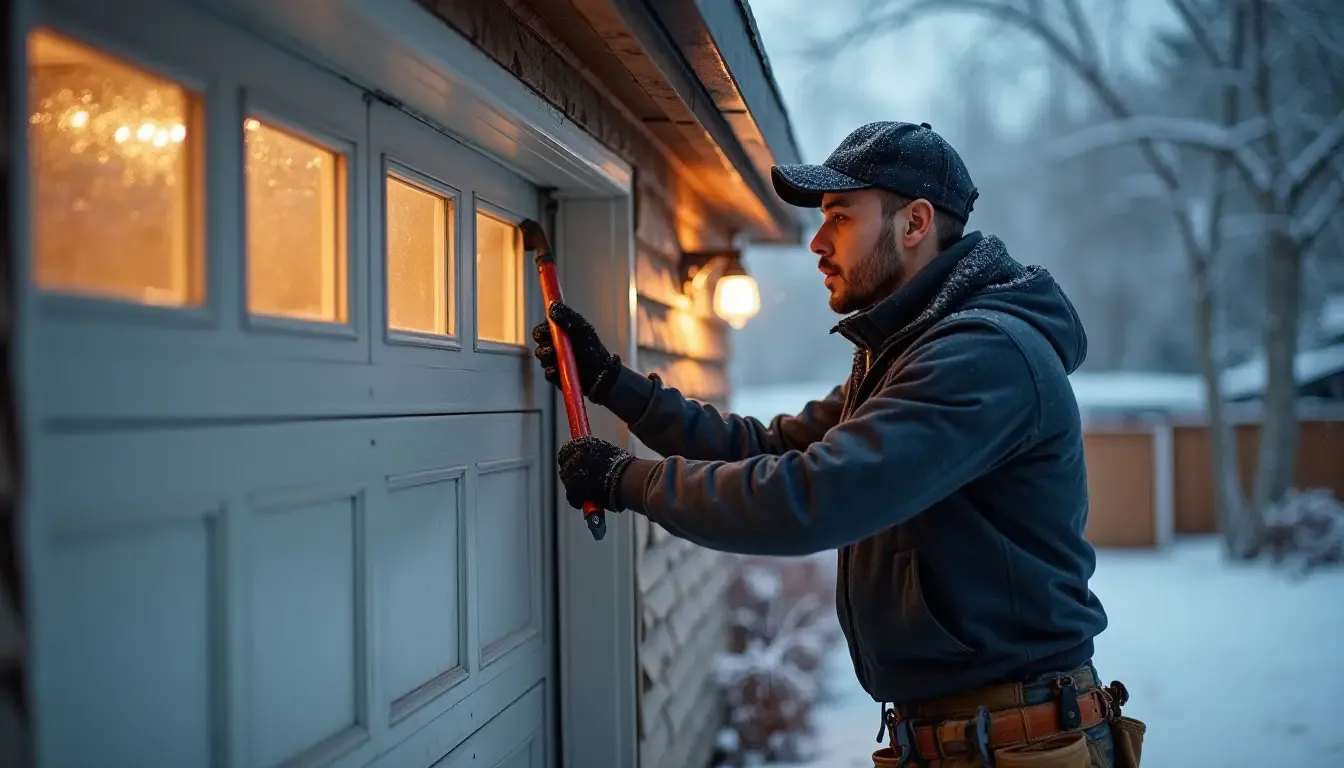
Sometimes, no matter how well you maintain your garage door, problems can still arise. If your springs make unusual noises, your door feels heavier than normal, or you notice visible wear, it’s a good idea to call a professional garage door company. Addressing these issues early can prevent bigger problems later.
An experienced technician can spot issues early and perform quick, safe repairs. For example, if you’re dealing with issues like frayed cables or worn springs, working with a trusted garage door company is the safest way to fix the problem. If you’re considering upgrades, like cable replacement, professionals have the tools and expertise to get the job done right.
An experienced technician can spot issues early and perform quick, safe repairs. For example, if you’re dealing with issues like frayed cables or worn springs, working with a trusted garage door company is the safest way to fix the problem. If you’re considering upgrades, like cable replacement, professionals have the tools and expertise to get the job done right.
Finally, regular professional inspections can save you from unexpected breakdowns and costly repairs in the future.
Conclusion
Although garage door springs are often overlooked, they play a crucial role in keeping your garage door functional and safe. By understanding what causes garage door spring breakages and following simple maintenance tips, you can avoid the hassle of sudden failures.
If you are in doubt, don’t hesitate to contact a reliable garage door company for help. Whether it’s routine maintenance, spring replacement, or garage door spring repair, 24H Garage Door is here to ensure your door stays in top shape for years to come.
Take the time to care for your springs today to save time, money, and effort in the long run.
If you are in doubt, don’t hesitate to contact a reliable garage door company for help. Whether it’s routine maintenance, spring replacement, or garage door spring repair, 24H Garage Door is here to ensure your door stays in top shape for years to come.
Take the time to care for your springs today to save time, money, and effort in the long run.
Frequently Asked Questions
What are the main reasons my garage door springs might break?
Springs commonly break from heavy use and overloading, since they are rated for a set number of cycles and a specific weight load. Environmental factors also play a role, as cold weather can make the metal brittle and humidity can cause rust that weakens the springs. Incorrect installation and a lack of regular maintenance can add uneven stress or extra strain that shortens their lifespan.
Can breaking springs actually be prevented, or is it just inevitable?
While springs do wear out eventually because they lift a heavy door thousands of times a year, most spring problems are actually preventable. With a little maintenance and care, you can keep them working smoothly and avoid unexpected breakdowns. Simple upkeep helps extend their life and save money on repairs.
Does adding insulation or extra hardware to my door affect the springs?
Yes. Springs are designed to handle a specific load, so adding extra weight like insulation or hardware puts them under more stress than they are built for. This added strain can cause the springs to wear out faster than normal.
How does regular maintenance help my springs last longer?
Even though springs do not need a lot of upkeep, a little goes a long way. Over time dirt and grime can build up, and neglecting cleaning or lubrication makes the springs work harder than they should. Lubrication is one of the key steps that helps keep even high-quality springs from wearing out sooner than expected.