When winter sets in, New Haven homeowners are likely to wake up to a number of winter garage door issues. Winter is a particularly difficult season when even opening or closing the door becomes a challenge that can frustrate any person. By knowing these problems and how to prevent them, you can keep your garage door functional all winter without breaking down.
Preparing your garage door for winter will be much easier with this guide, where we’ve compiled our expertise in protecting garage doors from harsh weather. However, in case you don’t want to deal with winter garage door issues or want to ensure your door is well-prepared, you can go for professional garage door services in New Haven. We at 24H Garage Doors are always ready to assist.
Common Winter Garage Door Problems in New Haven and How to Prevent Them
Published: Nov 12, 2024 | Updated: Jul 28, 2026
Freezing Temperatures
Among all the problems that occur with garage doors during the winter, low temperatures are probably the most well-known. Extreme cold affects different parts of the equipment and can make the springs and rollers, for instance, shrink and become rigid. This contraction can result in the garage door won’t open in cold weather, leading to undue stress on the motor and other mechanisms. If the lubricant used on the moving parts freezes, it increases the problem by adding more drag and can even hinder the door from opening. These problems can be surmounted by frequent inspections and proper lubrication with anticold products.
Ice Buildup
The formation of ice around the garage door is one of those issues that tend to develop gradually and may go unnoticed by homeowners for a long time. When water is on the tracks during the day and freezes at night, it piles ice at the bottom of the door and on the tracks. This buildup not only prevents the door from operating correctly but also creates a huge threat to safety. The extra load and interference can put much pressure on the garage door opener, which can, in turn, cause mechanical breakdown. This risk can be prevented, however, by clearing snow and ice from around the garage.
Battery Drain
During winter, for instance, the battery is drained more often, especially for garage door openers that normally operate on battery. The worst is when you need the battery to power the car when it’s cold, and the battery is equally frozen, unable to deliver the required power. An unresponsive garage door is a real irritation, and you may be wondering if the opener is the problem. Homeowners should use high-quality batteries designed for cold weather. and ensure that the garage door opener is checked for batteries regularly. Charging your batteries fully can help reduce on instances when the batteries die.
Damaged Weather Stripping
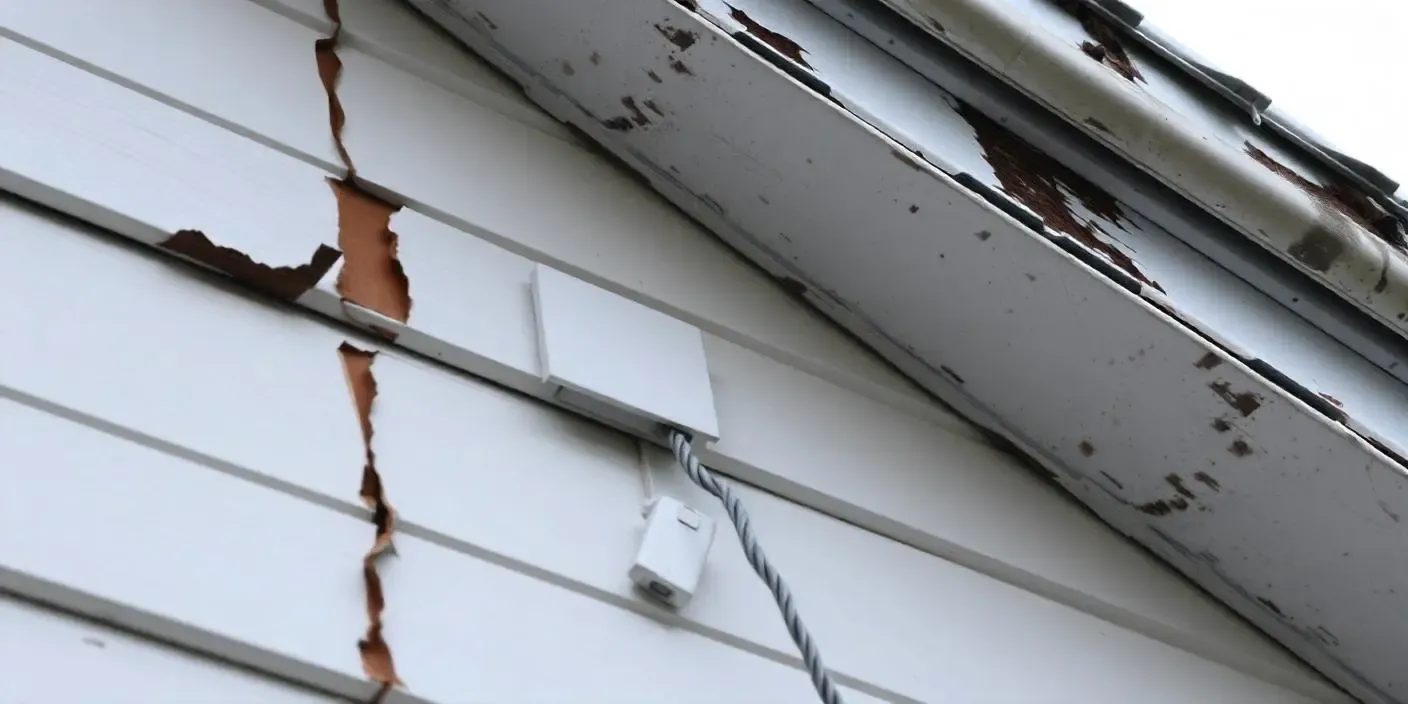
Weatherstripping is very important in helping to keep the structure of your garage door intact. Nevertheless, it is vulnerable to cracking if exposed to extreme temperatures, which leads to deterioration and brittleness. It is also placed at the bottom of doors, and if damaged, can let cold air and moisture in while allowing warm air to escape. This affects the insulation for the garage door and may affect any property that may be in the garage or car. Weatherstripping also requires frequent inspection and replacement if it has deteriorated or become damaged to help regulate the internal climate of the garage. Insulation, when used in garage doors, can also improve energy by minimizing heat from penetrating or going out.
Misalignment Issues
There are several reasons why the garage door may be out of balance, for instance, because of the cold contraction on the different materials used. This misalignment can lead to the door being crooked, and if there are gaps, it will let cold air in, or the door will jam. Thirdly, if the garage door is out of balance, it can put undue pressure on the opener and cause it to break down. Homeowners should regularly check the alignment of their garage doors and make necessary adjustments.
How to Prepare Your Garage Door for Winter
As a result, it is necessary to avoid winter garage door problems in the first place. Here are some strategies to help prepare your garage door for the cold months ahead:
1) Regular Maintenance: It is important that your garage door is well maintained so that it lasts for quite a long time. External and internal checkups, greasing, and tightening of loose screws and bolts. By following a winter maintenance schedule, your garage door will be in top shape all winter.
2) Types of Garage Door Insulation: Using the right types of garage door insulation can greatly minimize the effects of freezing temperatures. Reflective insulation and foam board insulation can be thought of as a good option to improve thermal performance. Insulation not only provides climate control but also assists in power savings.
2) Types of Garage Door Insulation: Using the right types of garage door insulation can greatly minimize the effects of freezing temperatures. Reflective insulation and foam board insulation can be thought of as a good option to improve thermal performance. Insulation not only provides climate control but also assists in power savings.
3) Keep the Area Clear: Clear the snow and ice from the door and the entire vicinity as often as you can. This will help prevent ice buildup along the tracks, ensuring the door opens and closes smoothly.
4) Battery Maintenance: Look at the batteries of the garage door opener and replace them if you see that they are bad ones. Consider using a battery heater during extremely cold winter months.
5) Seal and Protect: Check weather striping, and if any part is damaged, replace it. You may wish to install a sweep at the bottom of the garage door to prevent cold air from coming in.
4) Battery Maintenance: Look at the batteries of the garage door opener and replace them if you see that they are bad ones. Consider using a battery heater during extremely cold winter months.
5) Seal and Protect: Check weather striping, and if any part is damaged, replace it. You may wish to install a sweep at the bottom of the garage door to prevent cold air from coming in.
Conclusion
In New Haven, winters can be unforgiving, especially when it comes to garage doors for homeowners. By being aware of common winter garage door problems and taking preventative measures, you can ensure your garage door remains functional throughout the chilly season. It is also advisable to call your technician for regular maintenance, proper insulation, and monitoring. This will ensure that your garage door does not develop issues. Preparing your garage door for winter is not just about convenience. It also safeguards your investment and your family and 24H Garage Doors is always ready to assist you with this task!
Frequently Asked Questions
Why does my garage door struggle to open in cold weather?
Extreme cold affects different parts of the equipment and can make components like the springs and rollers shrink and become rigid. This contraction can keep the door from opening and puts undue stress on the motor and other mechanisms. If the lubricant on the moving parts freezes, it adds more drag and can further hinder the door from opening, which is why regular inspections and proper lubrication with anticold products help.
How does ice cause problems for my garage door?
When water sits on the tracks during the day and freezes at night, it piles up ice at the bottom of the door and on the tracks. This buildup prevents the door from operating correctly and creates a safety threat, and the extra load and interference can put pressure on the opener and lead to mechanical breakdown. You can prevent this by clearing snow and ice from around the garage.
My opener seems unresponsive in winter. Could it be the battery?
Yes, batteries drain more often during winter, especially for openers that run on battery power. A frozen or weak battery may be unable to deliver the required power, leaving you with an unresponsive door. Using high-quality batteries designed for cold weather, checking them regularly, and keeping them fully charged can help reduce instances when the batteries die.
Why does weather stripping matter in the winter?
Weatherstripping helps keep the structure of your garage door intact, but extreme temperatures can make it crack, deteriorate, and become brittle. Since it sits at the bottom of the door, damaged stripping can let cold air and moisture in while allowing warm air to escape, affecting insulation and anything stored in the garage. Inspect it frequently and replace it when it has deteriorated, and consider insulation to further improve energy efficiency.