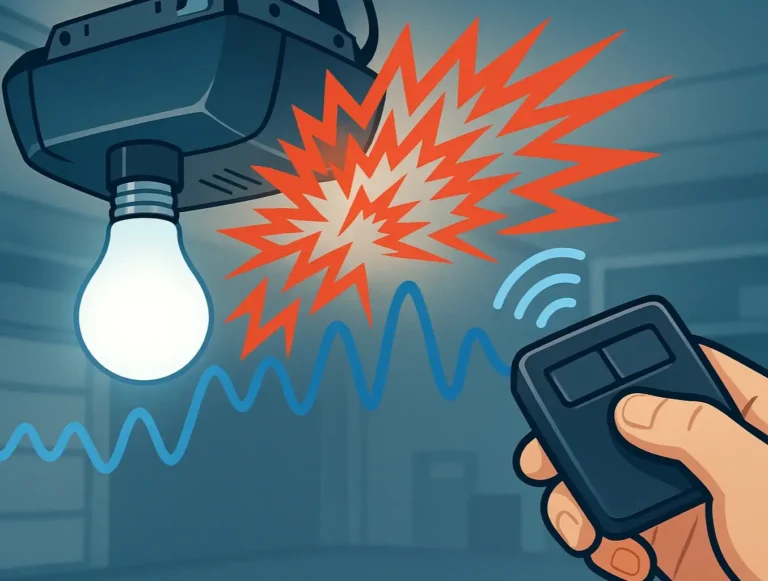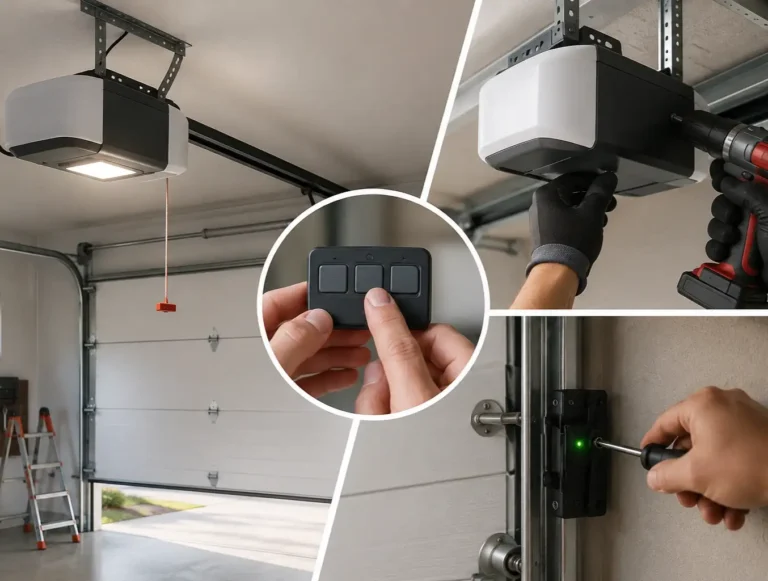
A garage door opener seems like a basic device — you press a button, and the door opens or closes, keeping your car safe and your belongings secure. Behind that smooth motion, though, is a coordinated system of parts working together. So, how does a garage door opener work? This guide breaks down the key components and how they interact, making it easy to understand even if you’re not a tech expert.
How Does a Garage Door Opener Work: A Simple Explanation
Published: Jun 25, 2025 | Updated: Jul 28, 2026
Garage Door Opener: How It Works from the Inside Out
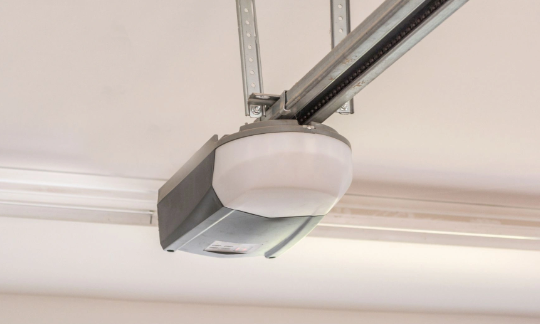
Most openers operate using an electric motor connected to a mechanism that moves the door along tracks. While there are different drive types, the core process is similar across systems.
Here’s what happens inside:
Here’s what happens inside:
How a Garage Door Opener Works with Remotes, Sensors, and Smart Tech
Today’s openers don’t just lift doors — they also talk to remotes, sensors, and even smartphones. Let’s look at how those pieces work together:
If you’re considering an upgrade, this article on smart garage door openers covers why smart features are worth exploring.
Garage Door Opener Maintenance for Long-Term Performance
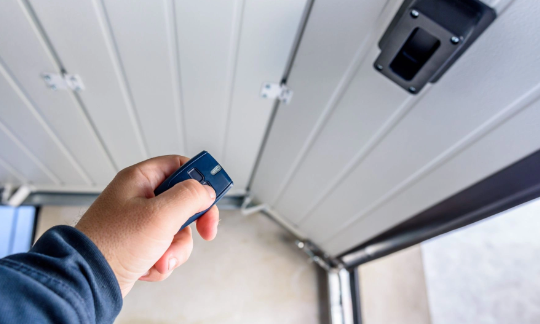
Maintaining your garage door opener doesn’t take much time — just a bit of consistency. These simple checks can help you avoid unnecessary repairs and keep your system dependable:
Even a well-installed garage door opener benefits from seasonal upkeep. A few minutes of routine care can add years to its life and help prevent unexpected breakdowns.
Wrapping Up
By now, you’ve got a clearer picture of how a garage door opener works, from the motor to the remote, and even smart tech integration. When it’s time for a new system — or if your current opener is struggling — 24H Garage Doors offers complete garage door opener installation with expert guidance tailored to your space, whether it’s residential or commercial. Feel free to reach out anytime — we’re always ready to provide professional support for your home or business.
Frequently Asked Questions
What are the main parts that make a garage door opener move?
Most openers use an electric motor connected to a mechanism that moves the door along tracks. The motor turns a gear system that drives a chain, belt, or screw, which pulls a trolley along a rail. Because the trolley is connected to the door, it physically moves the door open or closed. Limit switches control how far the door travels and stop it from going too far in either direction.
How do the safety sensors on my opener keep people and pets safe?
Safety sensors are located near the floor on both sides of the door. If something passes between them, the door won't close. This helps protect people, pets, and cars from being caught while the door is moving.
What can I do to open the door if the power goes out?
Openers include an emergency release cord, which is a manual release. It lets you disengage the door from the opener during power outages so you can operate the door by hand.
What makes a smart garage door opener different from a standard one?
Smart garage door openers connect to your home Wi-Fi, letting you operate the door remotely through an app. You can monitor activity, get alerts, and allow entry even when you're away from home or managing a business location. Standard openers rely on a remote or wall button that sends a signal to the opener's logic board to tell the motor when to run.