Regular maintenance is one of the smartest ways to extend the life of your garage door system — and it doesn’t take much. One key step? Lubricate your garage door on a consistent schedule. A well-lubricated garage door runs more quietly and lasts longer. If your door squeaks, jerks, or grinds, it’s likely due for some lubrication, so knowing how to lubricate a garage door can be handy. Keeping it properly lubricated makes your home more comfortable and your door much more dependable.
That leads us to the next question: “How often should you lubricate your garage door?”
How Often to Lubricate a Garage Door: Maintenance Timing Tips
Published: Jun 5, 2025 | Updated: Jul 28, 2026
How Often to Lubricate a Garage Door
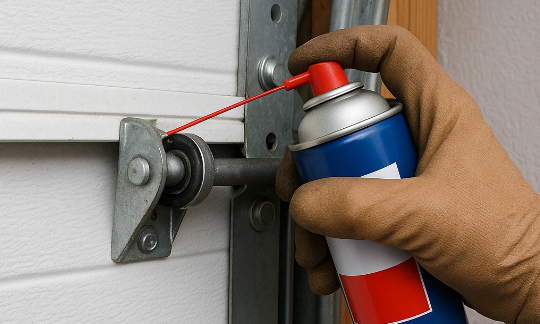
For most homeowners, the ideal timeframe is to lubricate your garage door every six months. This routine works well for standard use, helping prevent wear and tear on moving parts.
However, what if your garage door is used more than average — say, multiple times a day? Or what if you live in an area with harsh winters or humid summers? Frequent use and extreme weather can wear down parts faster, so it’s better to apply garage door lubricant about every three months.
While you’re at it, make it a habit to combine your lubrication routine with a quick visual check. Look for loose screws, worn rollers, or frayed cables. Catching these small issues early can help you avoid bigger repairs later.
However, what if your garage door is used more than average — say, multiple times a day? Or what if you live in an area with harsh winters or humid summers? Frequent use and extreme weather can wear down parts faster, so it’s better to apply garage door lubricant about every three months.
While you’re at it, make it a habit to combine your lubrication routine with a quick visual check. Look for loose screws, worn rollers, or frayed cables. Catching these small issues early can help you avoid bigger repairs later.
What Should You Use to Lubricate a Garage Door?
When it comes to lubrication, it’s not just about how often you do it — what you use also matters. Not all products are created equal. The best choices for garage door lubricant are:
These are specially made to reduce friction without attracting dirt, which can hinder performance over time.
Many homeowners mistakenly use household penetrating sprays or general-purpose oils because lubricants are often called “garage door oil.” Professionals recommend avoiding them — while they may help remove rust, they’re not meant for long-term lubrication and can lead to buildup over time.
Many homeowners mistakenly use household penetrating sprays or general-purpose oils because lubricants are often called “garage door oil.” Professionals recommend avoiding them — while they may help remove rust, they’re not meant for long-term lubrication and can lead to buildup over time.
Summing Up
Taking the time to lubricate your garage door is one of the easiest, most effective ways to keep it working like it should. As you now know how often to lubricate a garage door, check your schedule, grab the right garage door lubricant, follow our tips, and you’re all set. It’s quick, doesn’t cost much, and gives dependable performance every time the door opens and closes.
Looking for a quieter, smoother garage door? If you spot signs of wear while lubricating, it might be time to contact garage door repair services. 24H Garage Door Services is here 24/7 for everything from routine tune-ups to emergency repairs.
Looking for a quieter, smoother garage door? If you spot signs of wear while lubricating, it might be time to contact garage door repair services. 24H Garage Door Services is here 24/7 for everything from routine tune-ups to emergency repairs.
Frequently Asked Questions
How frequently should I be lubricating my garage door?
For most homeowners, the ideal timeframe is to lubricate the garage door every six months, which works well for standard use. However, if the door is used multiple times a day or you live in an area with harsh winters or humid summers, it's better to apply lubricant about every three months. Frequent use and extreme weather can wear down parts faster.
What are the signs my garage door needs lubrication?
If your door squeaks, jerks, or grinds, it's likely due for some lubrication. A well-lubricated door runs more quietly and lasts longer, making your home more comfortable and the door more dependable.
Which products are best for lubricating a garage door?
The best choices are silicone-based spray lubricants and white lithium grease. These are specially made to reduce friction without attracting dirt, which can hinder performance over time.
Can I use household oils or penetrating sprays instead?
Professionals recommend avoiding household penetrating sprays and general-purpose oils, even though lubricants are often called "garage door oil." While they may help remove rust, they're not meant for long-term lubrication and can lead to buildup over time. It also helps to combine your lubrication routine with a quick visual check for loose screws, worn rollers, or frayed cables.