Garage doors go up and down more times than we realize, and while they seem simple and small, it’s the hinges that keep everything aligned. When these parts wear out, you might notice strange sounds or a door that feels heavy or off track — signs you’re dealing with hinges problems. In this guide, we’ll show you how to inspect your garage door hinges and what to do if they need replacing.
How to Inspect and Replace Garage Door Hinges for Better Functionality
Published: May 1, 2025 | Updated: Jul 28, 2026
How to Inspect Garage Door Hinges Safely
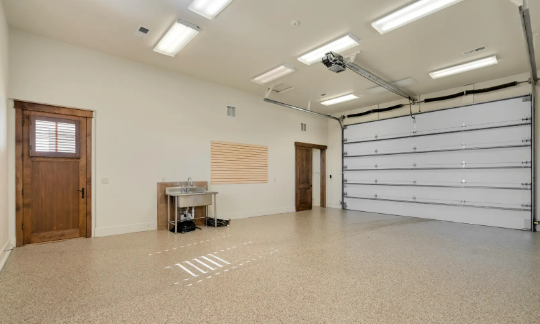
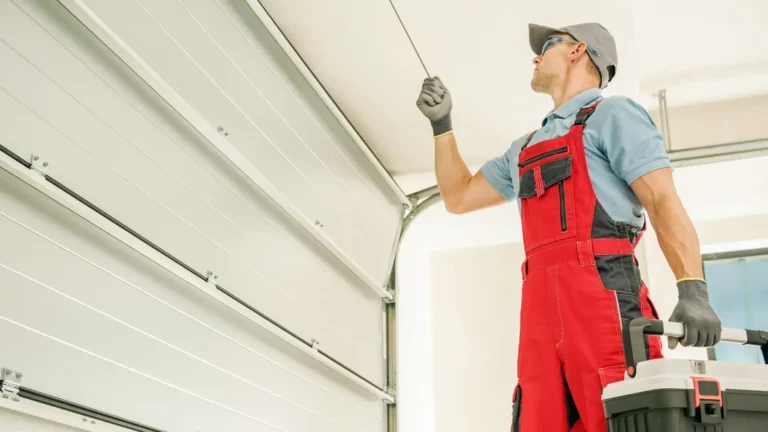
Before you start the inspection, let’s prioritize safety. Make sure your garage door is fully down and the opener is unplugged — this is really necessary to avoid any accidents while you inspect. It’s also wise to keep pets and little ones out of the way so you can concentrate. Begin at the bottom of the door and take a slow look upward, checking each hinge one by one.
Look closely at the plates for any cracks or signs of rust, no matter how small. As your hand moves along the door, gently feel around each screw. If any feel loose or seem to be pulling away from the door panel, this may be a sign of a problem. Then, look for anything that looks out of the ordinary, for example, metal that looks bent, warped, or not quite right compared to the others.
This simple but thorough check can reveal a lot about the condition of your garage door hinges. If the door feels unstable during your inspection or you’re not quite sure what you’re seeing, it’s a good idea to contact a garage door company. A quick check from a professional can help you avoid bigger issues down the road.
This simple but thorough check can reveal a lot about the condition of your garage door hinges. If the door feels unstable during your inspection or you’re not quite sure what you’re seeing, it’s a good idea to contact a garage door company. A quick check from a professional can help you avoid bigger issues down the road.
A Quick Look at Garage Door Hinges Types
If you’ve noticed any hinge problems, it’s a clear sign they’ve reached the end of their lifespan and need replacing. Before you start, it’s better to learn about different garage door hinges types.
Most homes have sectional garage doors that open upward. These rely on overhead garage door hinges to connect the panels and allow the door to bend and move along the tracks. Standard hinges are used in many of these setups because they’re basic and dependable. Larger or heavier doors usually use heavy-duty hinges designed to handle extra weight without bending or breaking.
Beyond typical options, there are also decorative garage door hinges types. They don’t just hold things together but also add some style to your garage door. However, some are purely for looks, for example, magnetic garage door hinges. These are ideal for cosmetic upgrades without tools or permanent changes.
Knowing the different garage door hinges types is important not only when selecting the best garage door hinges for your home but also when you need garage door repair or replacement.
Most homes have sectional garage doors that open upward. These rely on overhead garage door hinges to connect the panels and allow the door to bend and move along the tracks. Standard hinges are used in many of these setups because they’re basic and dependable. Larger or heavier doors usually use heavy-duty hinges designed to handle extra weight without bending or breaking.
Beyond typical options, there are also decorative garage door hinges types. They don’t just hold things together but also add some style to your garage door. However, some are purely for looks, for example, magnetic garage door hinges. These are ideal for cosmetic upgrades without tools or permanent changes.
Knowing the different garage door hinges types is important not only when selecting the best garage door hinges for your home but also when you need garage door repair or replacement.
How to Replace Garage Door Hinges Step-by-Step
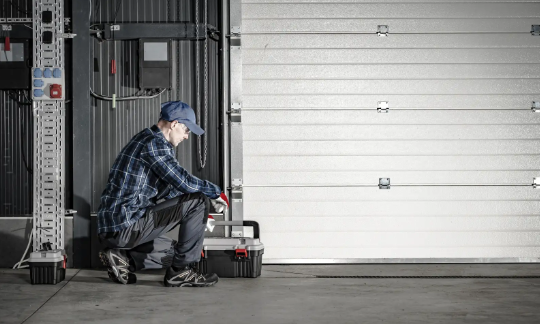
Before you start the replacement, make sure you have all the tools you’ll need: a socket wrench, a power drill, new hinges that match your door’s current setup, and a good pair of work or safety gloves to protect your hands. When you have everything within reach, the process is smooth and safe from start to finish.
Step 1. Ensure Safety
Disconnect the garage door opener from power. Then, double-check that your garage door is completely closed. This step is necessary to prevent any accidental movement and potential injury.
Step 2. Remove the Old Hinge
When the door is secured, use your socket wrench or drill to remove the screws carefully. It’s better to keep a steady hand on the hinge as you unscrew it. This way, it won’t suddenly drop or put an unexpected strain on the door panel as the last screw comes out.
Step 3. Install the New Hinge
Grab your new hinge and carefully line it up with the existing screw holes on the door. If it fits well, tighten the screws until the hinge is firmly attached. Once all the screws are tight, gently check for movement to make sure it’s secure and sitting flat against the door without any gaps or tilting. This makes sure the door moves evenly and doesn’t put extra stress on the other hinges.
If your garage door has several panels or an older system that seems complex, it’s often best to call a qualified technician from a local garage door company, CT. They have the experience to handle the job safely and correctly.
Summing Up
Garage door hinges are a small but essential component. Panels won’t get together If hinges fail, but regular checks help you catch problems early before they cause damage to the door. More importantly, it’s possible to inspect and replace them yourself, with the right tools and guidance.
Still, if you’re unsure about your skills or just want professional assistance, 24H Garage Doors is just a call away. Contact us today for a smooth and safe garage door operation.
Still, if you’re unsure about your skills or just want professional assistance, 24H Garage Doors is just a call away. Contact us today for a smooth and safe garage door operation.
Frequently Asked Questions
What are the warning signs that my garage door hinges are wearing out?
Because the hinges keep everything aligned, worn hinges can cause strange sounds or a door that feels heavy or off track. During an inspection you might also find cracks or rust on the plates, screws that feel loose or seem to be pulling away from the door panel, or metal that looks bent, warped, or not quite right compared to the others. These signs indicate the hinges have reached the end of their lifespan and need replacing.
How should I safely inspect the hinges?
Before you start, make sure the garage door is fully down and the opener is unplugged to avoid accidents, and keep pets and children out of the way so you can concentrate. Begin at the bottom of the door and take a slow look upward, checking each hinge one by one and looking closely at the plates for cracks or rust. Gently feel around each screw as your hand moves along the door, and if the door feels unstable or you're not sure what you're seeing, contact a garage door company.
Are there different types of garage door hinges?
Yes. Most homes have sectional doors that use overhead hinges to connect the panels and let the door bend and move along the tracks, with standard hinges being common because they are basic and dependable. Larger or heavier doors usually use heavy-duty hinges built to handle extra weight without bending or breaking. There are also decorative hinges that add style, including magnetic hinges that are ideal for cosmetic upgrades without tools or permanent changes.
What do I need to replace a hinge myself?
Gather your tools first: a socket wrench, a power drill, new hinges that match your door's current setup, and a good pair of work or safety gloves to protect your hands. Ensure safety by disconnecting the opener from power and double-checking that the door is completely closed to prevent accidental movement. Then use your socket wrench or drill to carefully remove the screws, keeping a steady hand on the hinge so it won't suddenly drop.