Living in New Haven means experiencing a full range of seasonal weather, from chilly winters to humid springs. While these seasonal changes add charm to the area, they can also impact your garage door.
As one of the largest moving parts of your home and a key entry point, your garage door is exposed to everything from freezing temperatures to excess humidity. Without regular maintenance, these seasonal shifts can lead to wear and tear or even serious damage.
In this guide, we will explore how New Haven’s weather impacts your garage door and provide practical tips to keep it running smoothly year-round. From winter ice to spring rust, we’ll share practical tips to protect your garage door and avoid costly repairs.
If you need expert assistance right away, our skilled team in New Haven provides professional garage door care, repairs, and installations to keep your door in top condition year-round. Reach out today for reliable service you can trust!
How Seasonal Weather Affects Garage Doors in New Haven
Published: Jan 23, 2025 | Updated: Jul 28, 2026
Garage Door Maintenance Tips for New Haven Homeowners
From icy winters to humid springs, every season brings its own set of conditions that can affect your garage door. Fortunately, with seasonal maintenance, you can prevent serious problems, extend the life of the door, and save on costly repairs.
For New Haven homeowners, being ahead of seasonal issues like rust, freezing parts, or overheating systems can make all the difference.
In this section, we’ll go over garage door maintenance tips for each season to focus on the most common issues and how to fix them. From garage door weather stripping to essential updates, these tips will help you withstand the impact of seasonal changes with ease.
Let’s explore how you can prepare your garage door for New Haven’s unpredictable weather!
In this section, we’ll go over garage door maintenance tips for each season to focus on the most common issues and how to fix them. From garage door weather stripping to essential updates, these tips will help you withstand the impact of seasonal changes with ease.
Let’s explore how you can prepare your garage door for New Haven’s unpredictable weather!
Winter Tips: Avoiding Damage from Ice and Cold
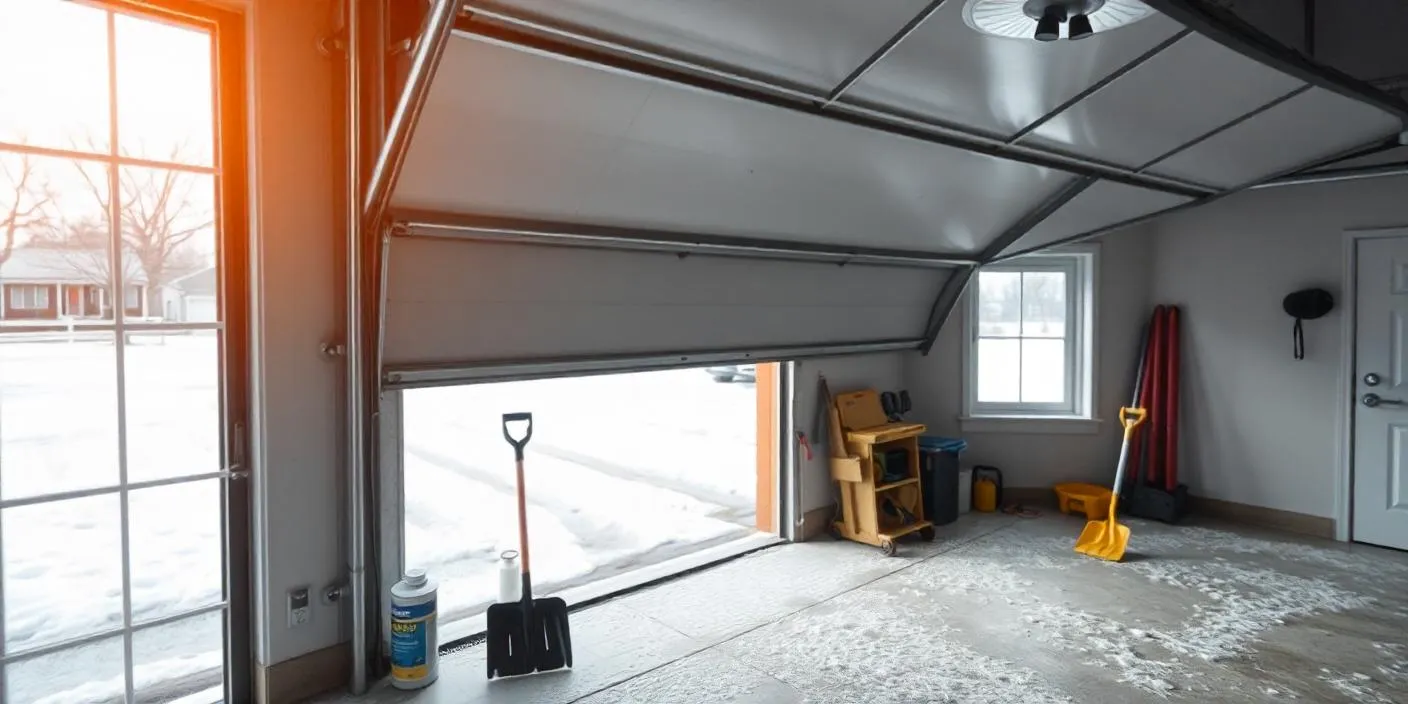
Winters in New Haven are often cold and snowy. Have you ever wondered whether cold temperatures affect garage door sensors? The answer is yes! Freezing weather can cause sensors to malfunction or become unresponsive. Thicker lubricants can cause the door to stick or operate less smoothly. Finally, ice buildup on the tracks or weather stripping can prevent the door from closing and opening properly.
Here’s how to prepare your garage door for winter:
Here’s how to prepare your garage door for winter:
Winterize your garage door now to avoid costly repairs later and keep your system running all season.
Spring Challenges: Managing Humidity and Preventing Rust
Spring in New Haven brings higher humidity, which can lead to rust on metal parts and warping in wooden garage doors. Moisture in the air can also affect your garage door’s tracks, springs, and cables.
Does sunlight affect garage door sensors? Yes! Direct sunlight can interfere with the sensor beam, tricking the system into detecting a false obstruction.
Here’s how to tackle spring’s challenges:
Does sunlight affect garage door sensors? Yes! Direct sunlight can interfere with the sensor beam, tricking the system into detecting a false obstruction.
Here’s how to tackle spring’s challenges:
These steps will help you prevent rust, protect your garage door, and keep it running smoothly throughout spring.
Summer Garage Door Care
New Haven summers are mild compared to other parts of the country. However, they can still bring their own set of challenges. Heat and sunlight can dry out lubricants, leading to grinding or squeaking in parts like hinges and rollers. To keep your garage door in top shape during summer, take the following steps:
Regular summer maintenance can help your garage door operate smoothly and prevent unnecessary wear and tear.
Fall Maintenance: Preparing Your Garage Door for Cold Months
Fall in New Haven is the perfect time to get your garage door ready for winter. The cooler weather makes it a great time to inspect and maintain your door before winter challenges set in.
Here are a few things to do:
Here are a few things to do:
Proactive fall maintenance will help you avoid winter problems like frozen sensors, strained motors, or doors getting stuck when you need them most. With a little preparation now, you can enjoy a smooth and worry-free season ahead.
The Value of Hiring a Professional for Seasonal Garage Door Care
While DIY maintenance is important, some tasks are best left to professionals. Seasonal tune-ups from a trusted garage door company can catch and resolve potential issues before they become costly problems. Professionals can realign and test sensors to make sure these parts work properly in all weather conditions, replace worn-out components like springs and cables, and conduct comprehensive inspections to enhance the door’s performance and lifespan.
Beyond routine maintenance, professionals can also recommend smart upgrades to extend your garage door’s durability and make it even more resistant to New Haven’s weather challenges. Proper insulation, for example, helps regulate the temperature inside your garage while protecting against drafts and moisture. Reinforcement bars or wind-resistant doors can offer extra protection during harsh storms. Modern smart garage door openers let you monitor and control your door remotely, especially during unpredictable weather. By trusting experienced professionals, you invest in long-term performance and reliability, ensuring your garage is ready for whatever New Haven’s seasons bring.
Conclusion
New Haven’s seasonal weather can be tough on your garage door. However, with proper maintenance and the right updates, you can keep it running smoothly all year. From winter’s ice to summer’s sunlight, each season brings unique challenges as well as opportunities to protect and extend the lifespan of your garage door.
If you’re looking for expert help, 24H Garage Doors is here to provide professional care and maintenance. Whether you need seasonal tune-ups, repairs, or a full upgrade, we’re just a call away. Reach out today to keep your garage door running smoothly, no matter the season!
If you’re looking for expert help, 24H Garage Doors is here to provide professional care and maintenance. Whether you need seasonal tune-ups, repairs, or a full upgrade, we’re just a call away. Reach out today to keep your garage door running smoothly, no matter the season!
Frequently Asked Questions (FAQ)
How does cold winter weather in New Haven affect my garage door?
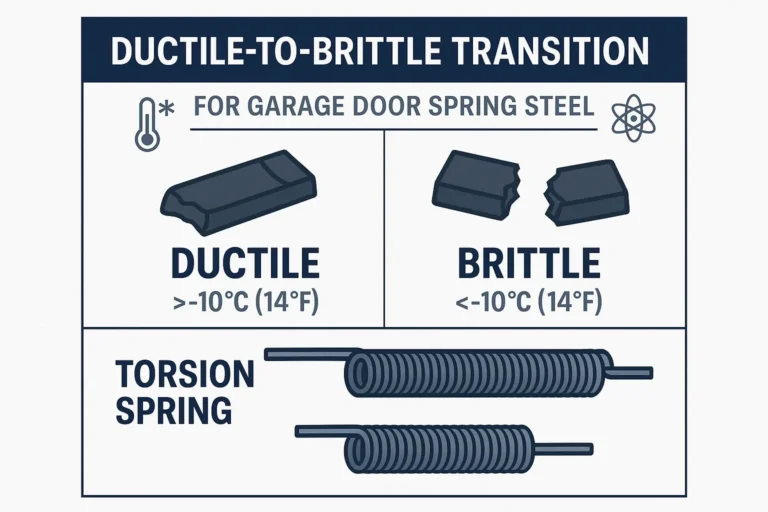
Freezing winter temperatures cause metal components like springs, tracks, and hinges to contract and become brittle, increasing the risk of spring breakage. Cold weather also thickens standard grease, making the opener motor work harder, and can freeze bottom weatherstripping seals directly to the icy pavement.
Why is my garage door sticking or reversing during spring and summer humidity?
High humidity and warm summer temperatures can cause wooden garage doors and framing to expand and warp, leading to binding within the tracks. Additionally, intense sunlight and heat can cause safety photo-eye sensors to misalign or temporarily fail, causing the door to reverse unexpectedly when closing.
How can I protect my garage door from New Haven road salt and coastal corrosion?
Road salt tracked in by vehicles and coastal salt air can rapidly corrode bottom panels, tracks, and cables. To prevent rust, regularly wash the lower sections of your garage door with mild soapy water during the winter and spring, apply a silicone-based lubricant to metal moving parts, and inspect bottom weather seals for deterioration.
What is the best lubricant for garage doors in cold Connecticut winters?
Use a high-quality, silicone-based or lithium-based garage door spray lubricant. Unlike standard WD-40 or heavy mechanics grease, silicone and lithium greases will not harden, freeze, or attract dust and grit during dropping winter temperatures.
How does weatherstripping improve my garage door’s seasonal performance?
Bottom astragal seals and perimeter vinyl weatherstripping create a tight barrier against New Haven’s freezing drafts, wind-driven rain, snow, and summer humidity. Replacing cracked or worn weatherstripping prevents moisture intrusion, keeps pests out, and helps regulate garage temperatures to lower energy bills.
When should I schedule seasonal garage door maintenance in New Haven?
We recommend scheduling professional maintenance twice a year—once in the fall before freezing winter weather sets in, and once in the spring to inspect for winter damage, clear out road salt residue, and re-balance the spring system for the warmer months.
Frequently Asked Questions
How does cold winter weather in New Haven affect my garage door?
Freezing winter temperatures cause metal components like springs, tracks, and hinges to contract and become brittle, increasing the risk of spring breakage. Cold weather also thickens standard grease, making the opener motor work harder, and can freeze bottom weatherstripping seals directly to the icy pavement.
Why is my garage door sticking or reversing during spring and summer humidity?
High humidity and warm summer temperatures can cause wooden garage doors and framing to expand and warp, leading to binding within the tracks. Additionally, intense sunlight and heat can cause safety photo-eye sensors to misalign or temporarily fail, causing the door to reverse unexpectedly when closing.
How can I protect my garage door from New Haven road salt and coastal corrosion?
Road salt tracked in by vehicles and coastal salt air can rapidly corrode bottom panels, tracks, and cables. To prevent rust, regularly wash the lower sections of your garage door with mild soapy water during the winter and spring, apply a silicone-based lubricant to metal moving parts, and inspect bottom weather seals for deterioration.
What is the best lubricant for garage doors in cold Connecticut winters?
Use a high-quality, silicone-based or lithium-based garage door spray lubricant. Unlike standard WD-40 or heavy mechanics grease, silicone and lithium greases will not harden, freeze, or attract dust and grit during dropping winter temperatures.
How does weatherstripping improve my garage door's seasonal performance?
Bottom astragal seals and perimeter vinyl weatherstripping create a tight barrier against New Haven's freezing drafts, wind-driven rain, snow, and summer humidity. Replacing cracked or worn weatherstripping prevents moisture intrusion, keeps pests out, and helps regulate garage temperatures to lower energy bills.
When should I schedule seasonal garage door maintenance in New Haven?
We recommend scheduling professional maintenance twice a year—once in the fall before freezing winter weather sets in, and once in the spring to inspect for winter damage, clear out road salt residue, and re-balance the spring system for the warmer months.