It’s typical to search for the reason when something feels off, and when your garage door starts acting up, its springs are often the first thing that comes to mind. These powerful components hold a lot of tension, and over time, they can wear down or snap. So, how to tell if a garage door spring is broken or worn out? 24H Garage Doors is here to explain. We’ll show you how to recognize these signs, so you can address the issue quickly and keep things from getting worse.
How to Tell If a Garage Door Spring Is Broken or Worn Out
Published: Apr 3, 2026 | Updated: Jul 28, 2026
Sudden, Loud Noise
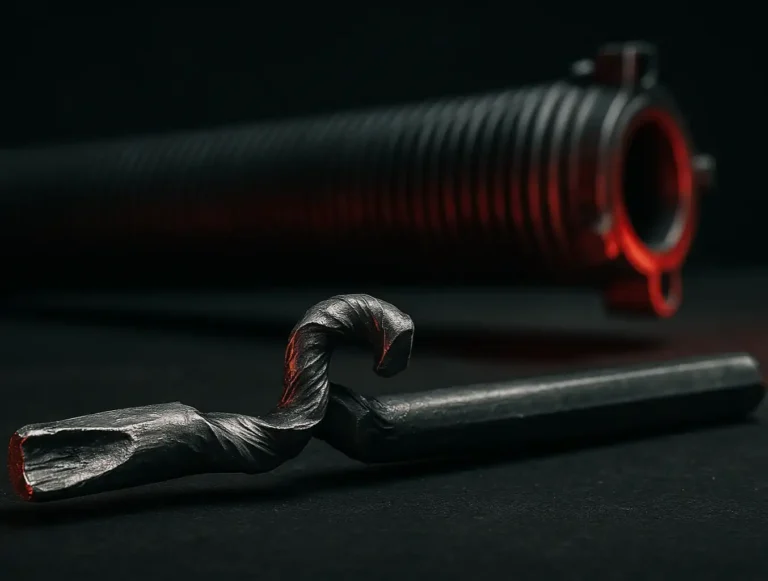
One of the most unmistakable signs of a broken garage door spring is a sudden, loud “bang” or “snap” that comes from your garage. This usually happens when the spring, which is under a lot of tension, finally gives way. Imagine you’re just getting ready to leave for work, hit the opener, and suddenly a sharp crack echoes through the garage, as if a small explosive just went off.
That loud pop happens because garage door springs are tightly wound under high tension, and when one snaps, all that built-up energy is released in an instant. That sound alone might be enough to make you wonder how to tell if a garage door spring is broken, even before you notice anything else.
That loud pop happens because garage door springs are tightly wound under high tension, and when one snaps, all that built-up energy is released in an instant. That sound alone might be enough to make you wonder how to tell if a garage door spring is broken, even before you notice anything else.
Garage Door Won’t Open or Feels Extremely Heavy
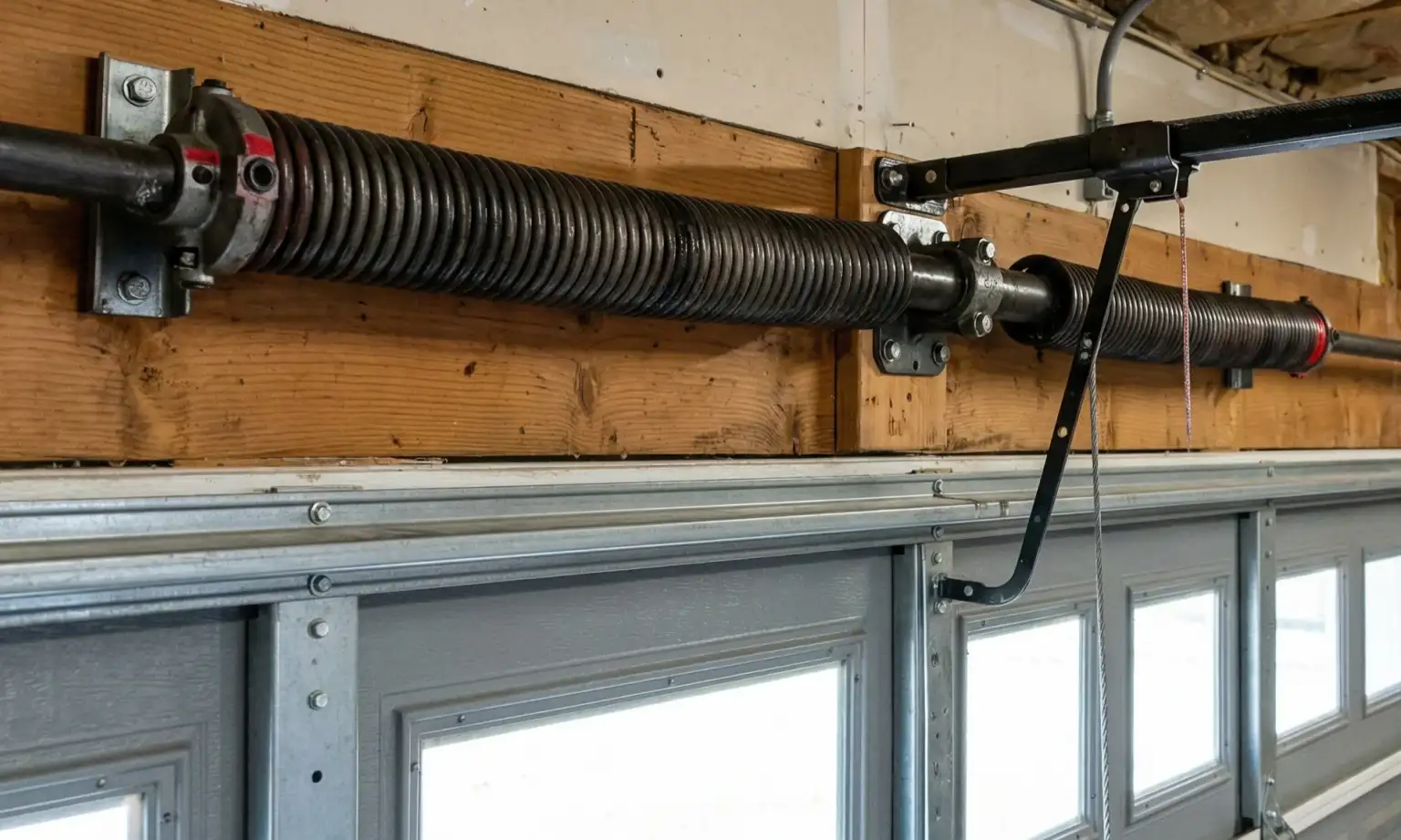
If your garage door refuses to open or feels unusually heavy when you try to lift it manually, there’s a good chance a spring has broken. Normally, the springs counterbalance the door’s weight, making it easy to lift. When one spring breaks, that support disappears, and the full weight of the door becomes apparent.
You might try to open it, only for it to barely move or fall shut right after. It’s a frustrating experience and one that clearly answers the question, “what does a broken garage door spring look like?” Not visually, but through how the door reacts when the spring fails.
You might try to open it, only for it to barely move or fall shut right after. It’s a frustrating experience and one that clearly answers the question, “what does a broken garage door spring look like?” Not visually, but through how the door reacts when the spring fails.
Visible Gap in the Spring
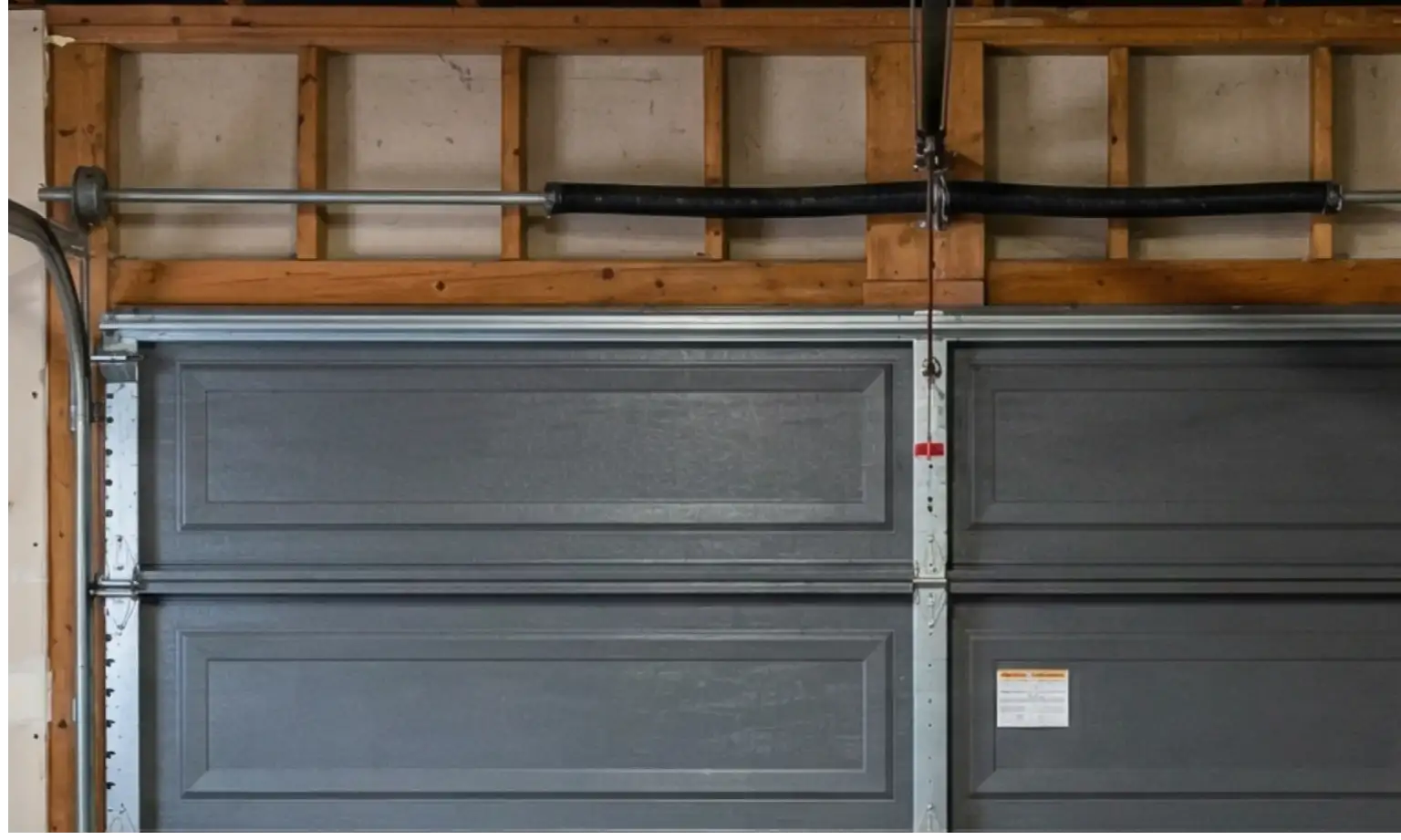
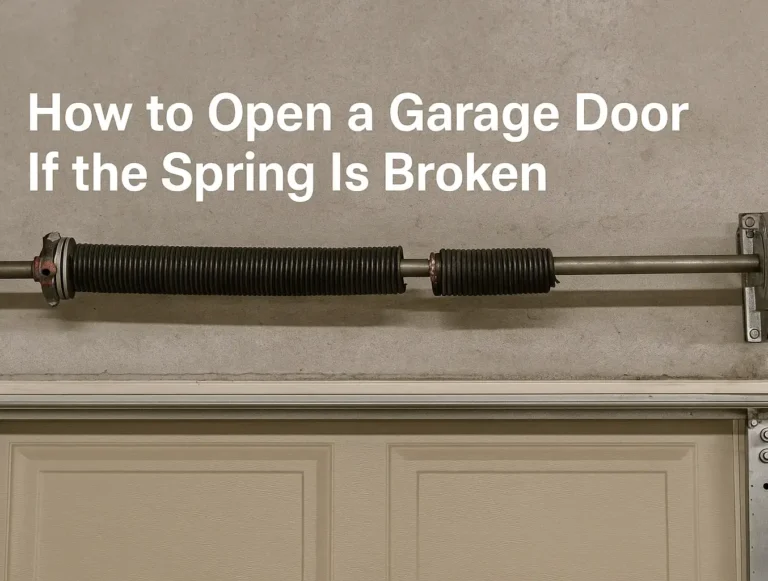
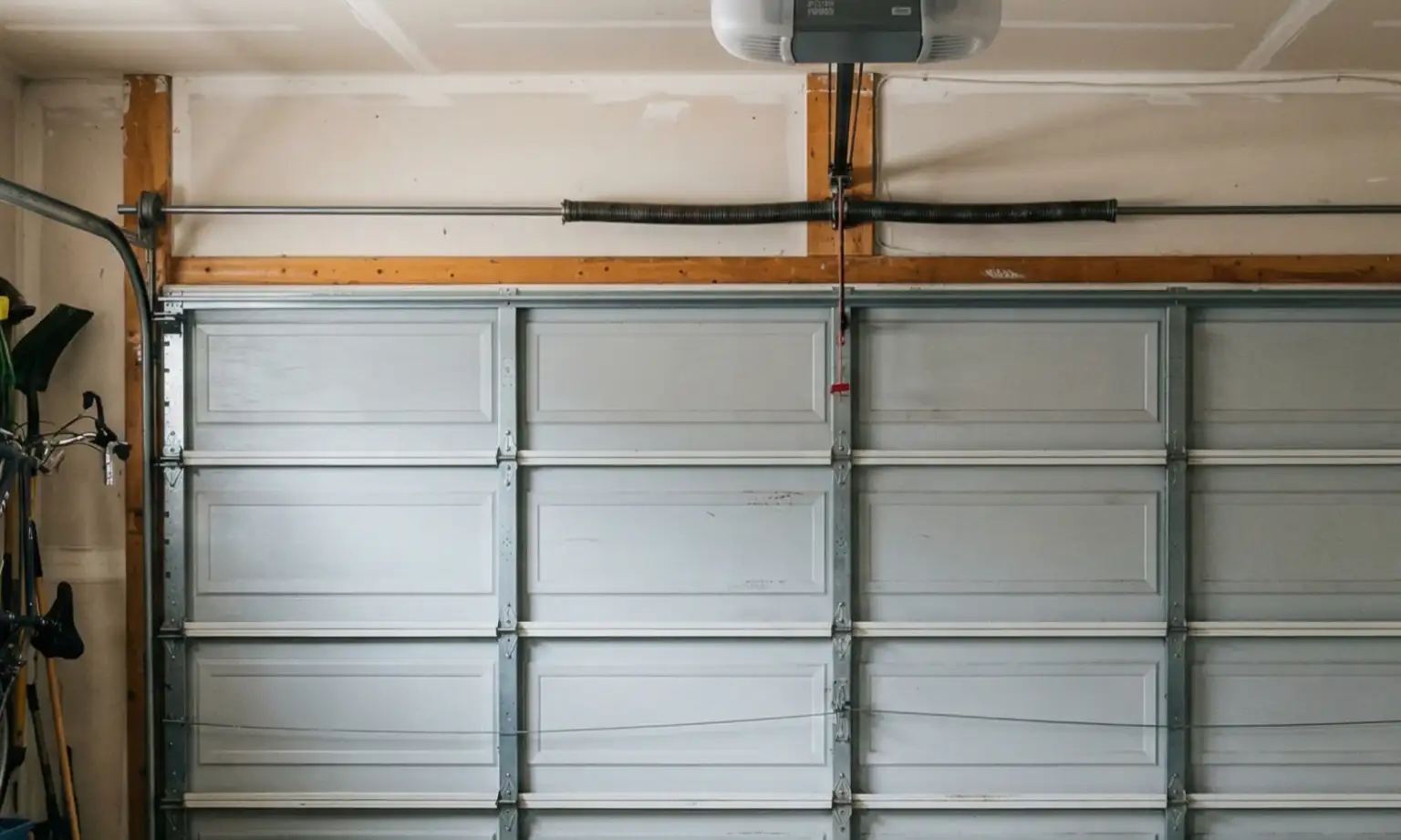
What do broken garage door springs look like? Sometimes, the answer is as simple as spotting a visible clue. Check your garage door’s torsion springs, which are typically located on a bar above the door opening. If you see a visible gap or separation in one of the coils, that spring is broken.
For extension springs, which run along the side tracks, the signs might be different — a broken spring may look stretched out, loose, or even completely disconnected.
A quick look can often confirm your suspicion, but don’t forget: these springs are under high tension and can be dangerous to handle. If anything looks off, it’s safest to contact 24H Garage Doors for a professional inspection and repair. We’ll take care of it so you don’t have to put yourself at risk.
For extension springs, which run along the side tracks, the signs might be different — a broken spring may look stretched out, loose, or even completely disconnected.
A quick look can often confirm your suspicion, but don’t forget: these springs are under high tension and can be dangerous to handle. If anything looks off, it’s safest to contact 24H Garage Doors for a professional inspection and repair. We’ll take care of it so you don’t have to put yourself at risk.
Crooked or Jerky Door Movement
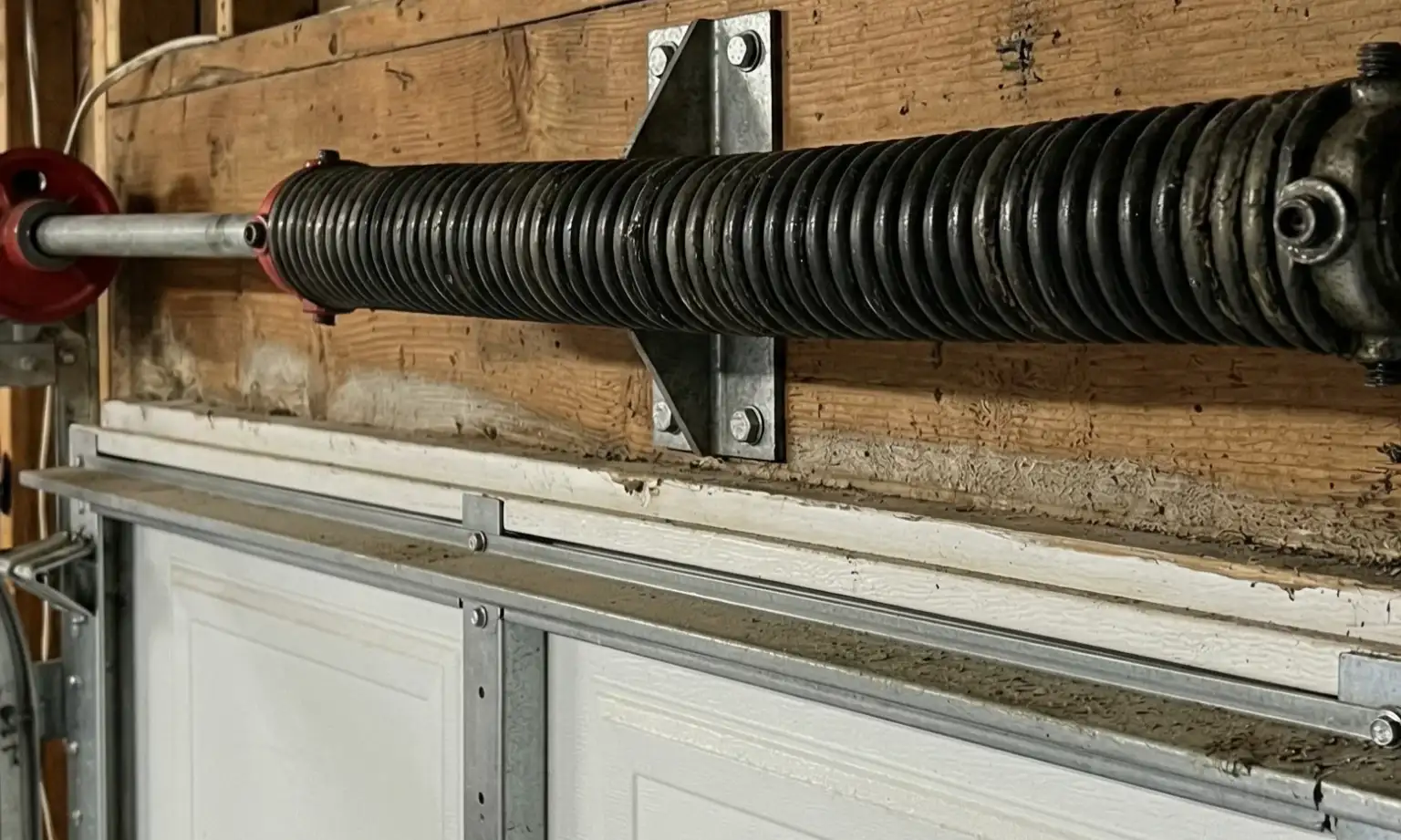
A working garage door should move smoothly and evenly. If your door is opening or closing unevenly, jerking, or getting stuck halfway, it could be a sign of a failing spring.
This uneven movement often occurs when one spring is weaker than the other, or if one has broken entirely, causing an imbalance in the system. You might notice one side of the door rising faster or the entire door hanging at an angle — a clear example of how to tell if a garage door spring is broken, even before you inspect the hardware.
This uneven movement often occurs when one spring is weaker than the other, or if one has broken entirely, causing an imbalance in the system. You might notice one side of the door rising faster or the entire door hanging at an angle — a clear example of how to tell if a garage door spring is broken, even before you inspect the hardware.
Summing Up
You now know how to tell if a garage door spring is broken by spotting the most common signs — loud snapping sounds, a door that won’t lift, or visible gaps in the spring.
If any of that sounds familiar and you’re thinking about searching for how to fix a garage door spring, here’s something to keep in mind: spring repairs are dangerous without the right tools and training.
Rather than risk injury, let a professional handle it. The team at 24H Garage Doors is ready to get your garage door working safely and smoothly again — anytime you need us.
If any of that sounds familiar and you’re thinking about searching for how to fix a garage door spring, here’s something to keep in mind: spring repairs are dangerous without the right tools and training.
Rather than risk injury, let a professional handle it. The team at 24H Garage Doors is ready to get your garage door working safely and smoothly again — anytime you need us.
Frequently Asked Questions
What does a broken garage door spring sound like when it fails?
One of the most unmistakable signs is a sudden, loud bang or snap coming from your garage. This happens because the springs are tightly wound under high tension, so when one gives way, all that built-up energy is released in an instant. The sharp crack can be startling enough to alert you before you notice anything else.
Why does my garage door suddenly feel too heavy to lift by hand?
Normally the springs counterbalance the door's weight, making it easy to lift, but when a spring breaks that support disappears and the full weight of the door becomes apparent. You might try to open it only for it to barely move or fall shut right away. A door that refuses to open or feels unusually heavy is a strong sign a spring has broken.
Is there a visible way to confirm a spring is broken?
Sometimes you can spot it directly. On torsion springs, located on a bar above the door opening, a visible gap or separation in one of the coils means that spring is broken. Extension springs, which run along the side tracks, may instead look stretched out, loose, or completely disconnected. Because these springs are under high tension and dangerous to handle, it is safest to call for a professional inspection if anything looks off.
Could jerky or crooked door movement point to a spring problem?
Yes. A working garage door should move smoothly and evenly, so if yours jerks, gets stuck halfway, or opens unevenly, a failing spring could be the cause. This often happens when one spring is weaker than the other or one has broken entirely, creating an imbalance. You might see one side of the door rising faster or the whole door hanging at an angle.