Tackling a garage door repair yourself can seem like a good way to save money. However, when it comes to garage door springs, what looks like a straightforward fix can quickly become a serious safety hazard. Understanding how to remove a garage door spring safely is important, and often, it means knowing when to call in the experts. This article from 24H Garage Doors will walk you through the dangers and the rare instances when DIY might be an option, helping you make the best decision for your safety and your home.
How to Remove a Garage Door Spring Without Risking Injury
Published: Apr 1, 2026 | Updated: Jul 28, 2026
Why Garage Door Springs Are Dangerous to Remove
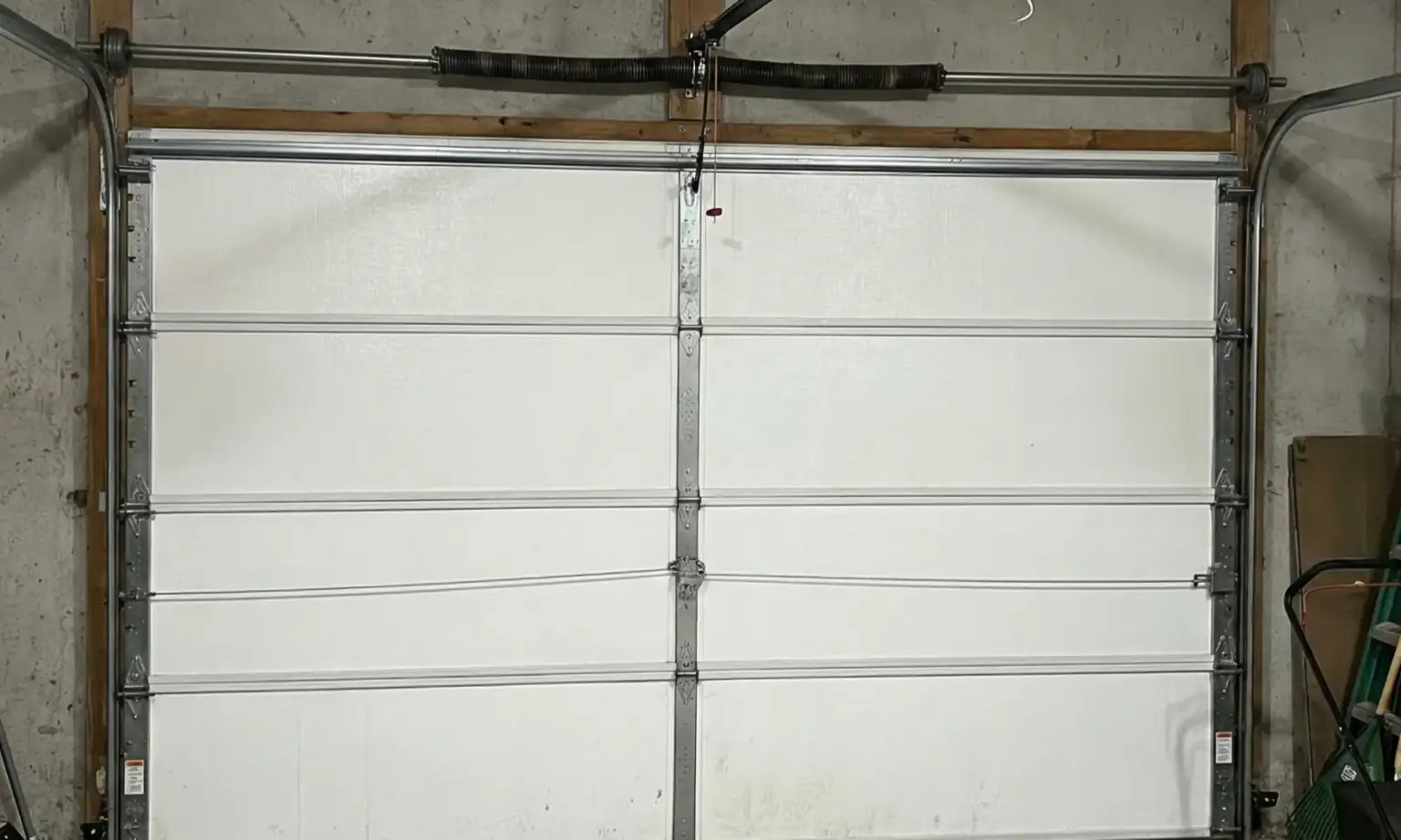
Garage door springs are under extreme tension, whether they are torsion springs (located above the door) or extension springs (running along the sides). This tension is what helps lift and lower your heavy garage door with ease. When it comes to learning how to remove garage door springs, attempting this without the right tools or knowledge is incredibly risky. Imagine trying to hold back a powerful force – that’s essentially what these springs are doing. If that force is suddenly released without control, it can cause severe injuries, including broken bones, lacerations, or worse. So, before you attempt any work, make sure you understand why the springs are so dangerous.
DIY Spring Removal: When It’s Acceptable and When to Step Back
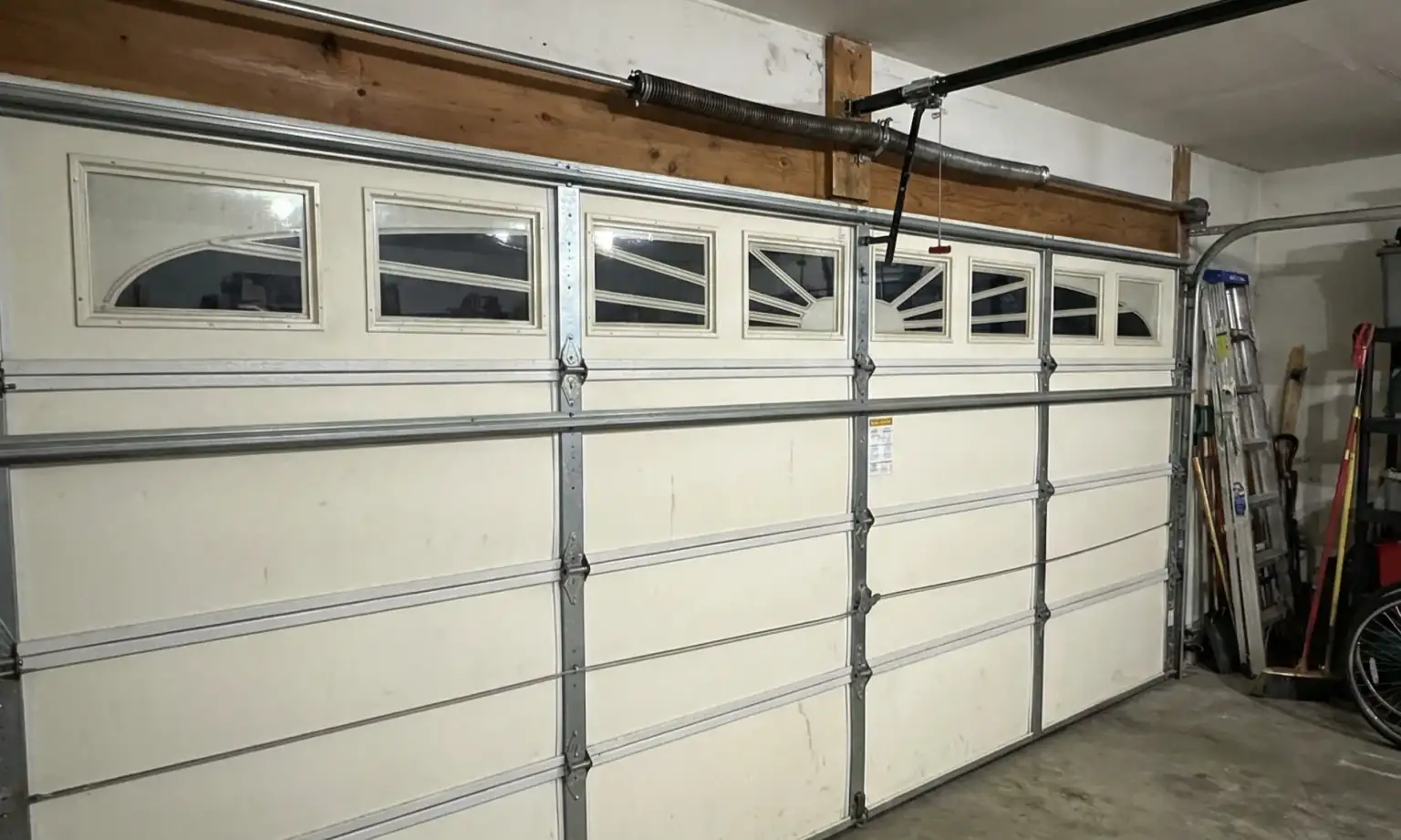
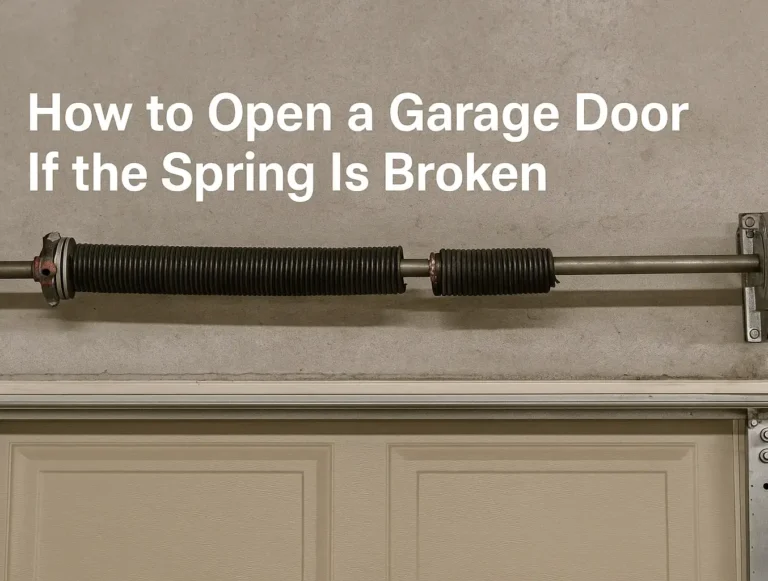
While most garage door spring issues are best left to professionals, there are a few very specific cases where a DIY approach might be safe — and only if the spring is already broken and no longer under tension. You should proceed only if the garage door is fully lowered and secured, meaning it can’t move unexpectedly. You also need to know how to check the system and confirm there’s truly no remaining tension. If you’re considering how to remove a garage door torsion spring, know that attempting this when it’s still under tension — even partially — is extremely hazardous and should never be attempted by someone without specialized training and equipment. For your safety, it’s always better to step back and leave it to the pros if you have any doubts.
Step-by-Step: How to Remove a Garage Door Spring Safely (If It’s Broken)
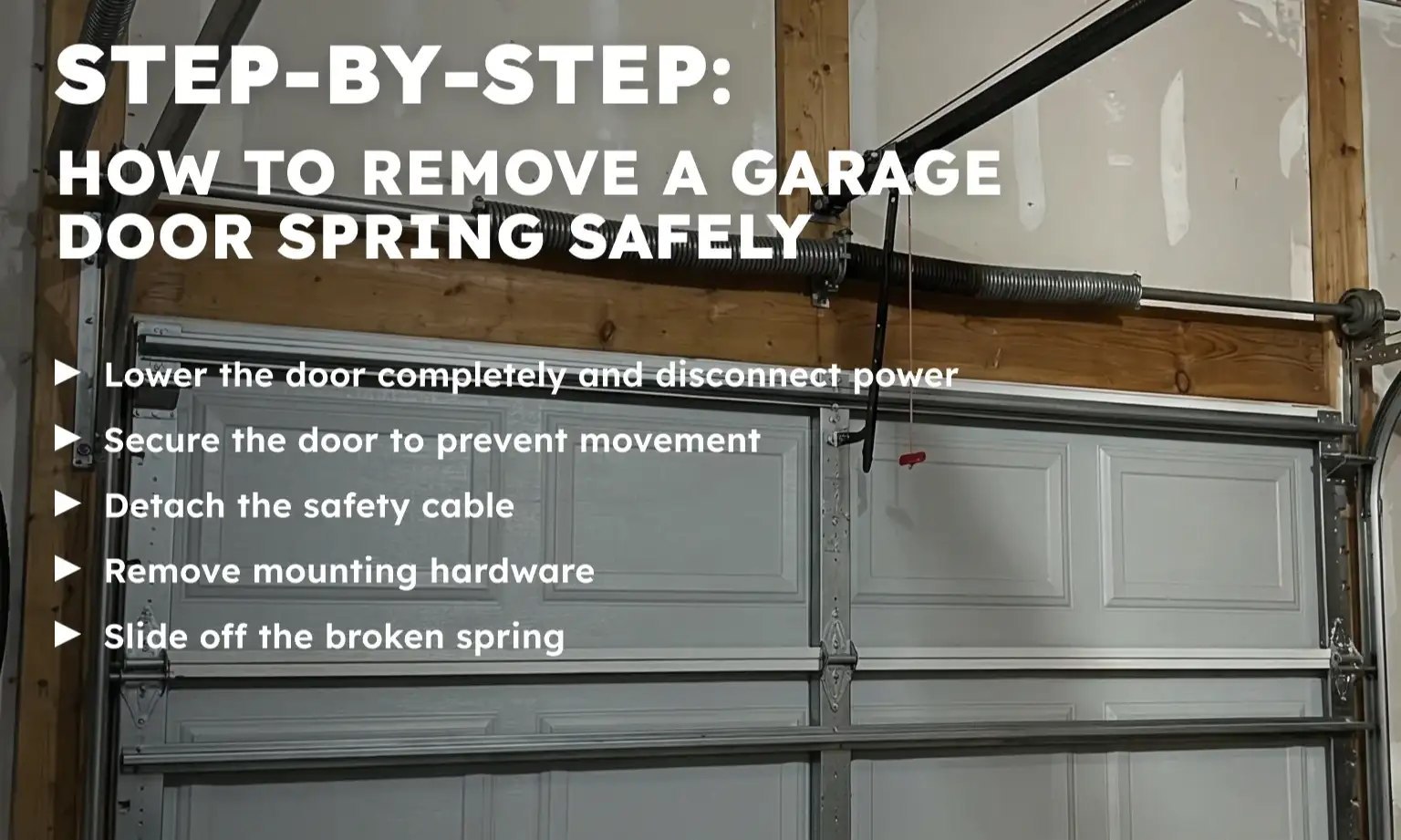
If, and only if, you’ve confirmed the spring is completely broken and poses no tension risk, here’s a general overview of the steps to remove a broken extension spring. Please note, this is for informational purposes and professional help is always recommended for garage door torsion spring removal.
Important! Always wear heavy-duty gloves and eye protection — even a broken spring can have sharp edges.
When the Job’s Too Risky — Leave It to the 24H Garage Doors Pros
For the vast majority of homeowners and business owners, dealing with garage door springs is a job best left to the experts. The risks involved are simply too high for a DIY attempt, especially with high-tension torsion springs. When you need reliable and safe garage door spring repair and replacement, 24H Garage Doors offers expert assistance. Our experienced technicians have the right tools and training to handle any spring issue safely and efficiently. Don’t put yourself or your property at risk. Contact 24H Garage Doors for professional service you can trust, and get your garage door working safely again.
Frequently Asked Questions
Why is removing a garage door spring so dangerous to do myself?
Garage door springs, whether torsion springs above the door or extension springs along the sides, are under extreme tension that helps lift and lower the heavy door. Attempting to remove them without the right tools or knowledge is incredibly risky, much like trying to hold back a powerful force. If that force is released without control, it can cause severe injuries including broken bones, lacerations, or worse.
Is there ever a situation where DIY spring removal is acceptable?
There are a few very specific cases where a DIY approach might be safe, but only if the spring is already broken and no longer under tension. The door must be fully lowered and secured so it can't move unexpectedly, and you need to know how to check the system and confirm there is truly no remaining tension. If you have any doubts, it is always better to step back and leave it to the pros.
What safety gear should I wear even if the spring is already broken?
Always wear heavy-duty gloves and eye protection, because even a broken spring can have sharp edges. Before starting, you should also lower the door completely and disconnect power so it can't move suddenly. These precautions matter even when the spring appears to pose no tension risk.
How do I keep the door from moving while I work on the spring?
After lowering the door completely, unplug the opener or turn off power at the breaker box to prevent any movement. Then secure the door by placing C-clamps or locking pliers on both tracks just above the bottom rollers, which keeps the door from shifting during removal. Removing a torsion spring in particular is best handled by a professional.