Garage doors are one of those things we often take for granted. They quietly do their job day after day, keeping our homes secure and accessible. However, when a cold draft sneaks in, the door starts making unusual noises, or energy bills begin to rise, it’s a clear reminder of how important a well-functioning garage door really is. Addressing these issues immediately can save you time, money, and effort.
The good news is that many of these problems can be avoided by choosing the right garage door from the start. A well-chosen option can make your home more comfortable, energy-efficient, and quieter.
If you’re deciding between insulated vs non-insulated garage doors, understanding the key differences is essential. In this guide, we’ll explore the benefits and challenges of both options so you can confidently choose the best fit for your home.
The Pros and Cons of Insulated vs Non-Insulated Garage Doors
Published: Feb 13, 2025 | Updated: Jul 28, 2026
The Benefits of Insulated Garage Doors

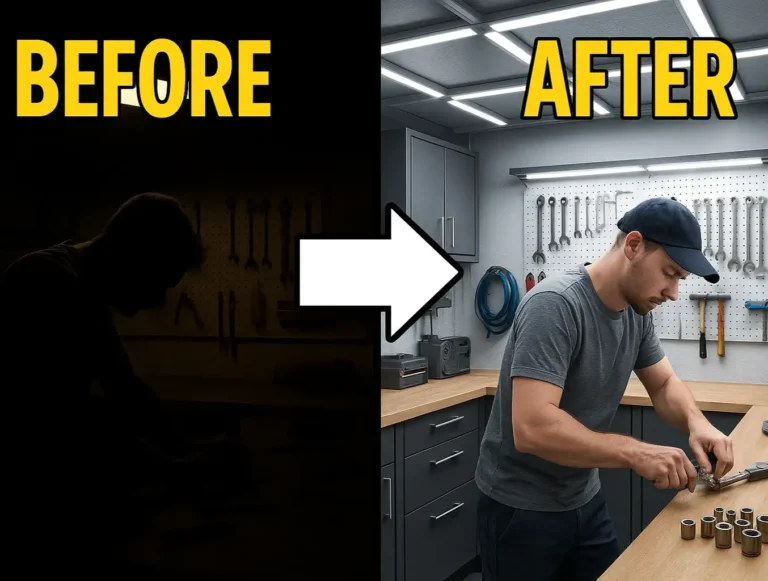
Insulated garage doors are designed to offer more than just a polished appearance. They deliver comfort and practicality, especially for homeowners who use their garages as a workspace, gym, or even a home office.
Here’s why insulated garage doors are worth considering:
Here’s why insulated garage doors are worth considering:
If you want to make the most of these benefits, consider reaching out to professional garage door services CT for expert advice on choosing and installing the best garage door insulation for your home.
Why Non-Insulated Garage Doors Might Be the Right Choice
Not every homeowner needs an insulated garage door. Sometimes, the simpler option makes the most sense, especially if you’re focused on a budget or live in a mild climate.
Here’s what makes non-insulated garage doors a great option:
Here’s what makes non-insulated garage doors a great option:
While non-insulated doors don’t offer all the advantages of insulated ones, they’re ideal for homeowners looking for simplicity and value. With proper care and regular garage door maintenance, they can still provide years of reliable performance for your home.
Considerations and Trade-Offs of Insulated Garage Doors
Not every homeowner needs an insulated garage door. Sometimes, the simpler option makes the most sense, especially if you’re focused on a budget or live in a mild climate.
Here are a few important considerations to keep in mind before choosing an insulated door:
Here are a few important considerations to keep in mind before choosing an insulated door:
Still, there are many other effective ways to insulate a non-insulated garage door, including adding weatherstripping or insulation panels. There are affordable kits and materials available on the marlet that allow you to do it yourself or work with a professional. This can be a cost-effective way to reduce drafts and stabilize the temperature inside your garage.
Challenges with Non-Insulated Garage Doors
While non-insulated doors are practical in many cases, they do have a few challenges.
Finding the Right Garage Door for Your Needs
The key question is still, which type of garage door is right for you? The answer depends on your specific needs, how you use your garage, and where you live.
If your garage is mainly for parking or storing tools, a non-insulated door might be all you need. It’s affordable, simple, and functional. However, if your garage serves as a workshop, gym, or hobby space, an insulated door can make it much more comfortable year-round.
Climate plays a role, too. In colder regions or areas with hot summers, an insulated door helps keep the garage temperature more stable and can even lower energy costs. Even in milder climates, the noise reduction and durability of insulated doors make them worth considering.
If your garage is mainly for parking or storing tools, a non-insulated door might be all you need. It’s affordable, simple, and functional. However, if your garage serves as a workshop, gym, or hobby space, an insulated door can make it much more comfortable year-round.
Climate plays a role, too. In colder regions or areas with hot summers, an insulated door helps keep the garage temperature more stable and can even lower energy costs. Even in milder climates, the noise reduction and durability of insulated doors make them worth considering.
Not sure which option is right for you, or don’t have the time to explore all the details? An experienced professional can help you assess your needs and recommend the best garage door insulation for your home.
Conclusion
The choice between insulated and non-insulated garage doors depends on your priorities. Insulated doors are perfect for attached garages or spaces you use often, thanks to their energy efficiency, quiet operation, and durability.
Non-insulated doors, on the other hand, are a solid choice for detached garages or mild climates where temperature control isn’t a priority. They’re simpler, cost-effective, and perfectly functional for basic needs.
If you’re still unsure, 24H Garage Doors is here to help. Whether you’re replacing an old door or installing a new one, our team can guide you through the process and ensure you make the right choice for your needs!
Non-insulated doors, on the other hand, are a solid choice for detached garages or mild climates where temperature control isn’t a priority. They’re simpler, cost-effective, and perfectly functional for basic needs.
If you’re still unsure, 24H Garage Doors is here to help. Whether you’re replacing an old door or installing a new one, our team can guide you through the process and ensure you make the right choice for your needs!
Frequently Asked Questions
What are the main advantages of choosing an insulated garage door?
Insulated doors help regulate temperature by keeping the cold out in winter and the heat out in summer, and if your garage is attached to your home this can reduce energy costs by preventing drafts. They are also quieter than non-insulated options, which is helpful if your garage is next to bedrooms or living spaces. In addition, they often add curb appeal and increase a home's resale value.
Would a non-insulated garage door ever be the better choice for me?
Not every homeowner needs an insulated door, and the simpler option can make the most sense if you are focused on a budget or live in a mild climate. Non-insulated doors cost less upfront while still providing a functional, reliable door. They are also a good fit if your garage is detached from your house, where insulation may not be necessary.
How does an insulated door help with noise?
Insulated doors are quieter than non-insulated options. This makes them a great choice if your garage is located next to bedrooms or living spaces where you want to reduce noise.
Can a non-insulated door still last a long time?
Yes. While non-insulated doors do not offer all the advantages of insulated ones, they are ideal for homeowners looking for simplicity and value. With proper care and regular garage door maintenance, they can still provide years of reliable performance for your home.