A garage door plays an essential role in home security, curb appeal, and everyday convenience. It protects vehicles and belongings while often serving as the main entryway for many families. Like other mechanisms, though, garage doors don’t last forever. Over time, you might start noticing a few quirks. Maybe your garage door is noisier than usual, or it doesn’t open as smoothly as it used to. These little hints could mean it’s time for some repairs or even a full replacement. Ignoring them could lead to sudden lockouts or costly damage, turning a small problem into a big inconvenience. Let us guide you in recognizing these warning signs and taking the right steps if you spot any.
Still, when it’s time to repair or replace your garage door, 24H Garage Doors will be glad to help keep things running like new.
When to Replace Your Garage Door: Key Signs to Watch For
Published: Dec 19, 2024 | Updated: Jul 28, 2026
Key Signs Your Garage Door Needs Replacing
Over time, wear and tear can take a toll on garage doors. While minor issues can often be repaired, there comes a point when replacement becomes the smarter choice. Knowing when to replace a garage door is essential for avoiding frequent repairs, ensuring safety, and maintaining energy efficiency.
Below, we’ll highlight the most common signs that indicate it’s time for a new garage door:
Below, we’ll highlight the most common signs that indicate it’s time for a new garage door:
Outdated Technology
Many older garage doors miss out on critical safety features and the efficiency of modern systems. Without updated safety sensors or automatic reverse mechanisms, they can pose a risk to both your family and property. Additionally, manual doors or outdated openers are far less convenient than newer, energy-efficient options. Upgrading to modern technology not only enhances safety but also saves time and reduces energy costs.
Strange Noises or Poor Insulation
If your garage door groans, squeaks, or bangs with every movement, it’s not just annoying – it’s a clear warning of significant problems. Strange sounds often indicate aging parts, misaligned tracks, or poor insulation. Poor insulation, in particular, can leave your garage uncomfortably warm in summer and freezing in winter, increasing energy costs. Upgrading to a quieter, insulated model can effectively resolve issues and restore convenience.
Frequent Breakdowns
Are garage door repairs becoming too frequent? Recurring breakdowns are a clear sign that the system is nearing the end of its lifespan. Over time, wear and tear on critical components like springs and cables becomes increasingly difficult and expensive to fix. In many cases, replacing the door is a more practical and cost-effective long-term solution than ongoing repairs.
Visible Wear and Damage
Obvious cracks, dents, or warped panels not only hurt your home’s curb appeal but also affect the door’s functionality. Damaged sections can cause uneven movement, poor sealing, or even prevent the door from opening or closing properly. Replacing a visibly damaged door ensures smooth operation and gives your home a fresh, polished look.
How Long Do Garage Doors Usually Last?
On average, garage doors last between 15 and 30 years, depending on materials and maintenance. Steel doors generally outlast wooden ones due to their durability. However, even the strongest doors need regular care to stay functional.
Environmental factors, like freezing temperatures or ice buildup, can also speed up wear by warping parts or misaligning tracks. Proper seasonal maintenance, especially ensuring clean and aligned tracks, is crucial to keep doors functioning year-round. To maintain garage door tracks, regularly clean them of debris, check for alignment, and lubricate moving parts to prevent unnecessary strain on the system.
If your garage door is approaching 20 years old or more, it’s worth assessing whether repairs are enough or if replacement is a smarter long-term investment. To make the best decision, consult your local garage door expert.
Environmental factors, like freezing temperatures or ice buildup, can also speed up wear by warping parts or misaligning tracks. Proper seasonal maintenance, especially ensuring clean and aligned tracks, is crucial to keep doors functioning year-round. To maintain garage door tracks, regularly clean them of debris, check for alignment, and lubricate moving parts to prevent unnecessary strain on the system.
If your garage door is approaching 20 years old or more, it’s worth assessing whether repairs are enough or if replacement is a smarter long-term investment. To make the best decision, consult your local garage door expert.
How Old Is Your Garage Door? Here’s How to Find Out
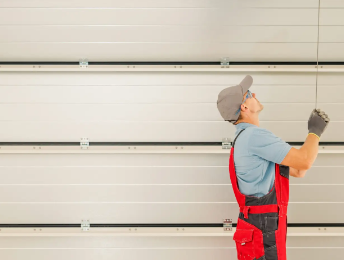
What if you just moved into a new house and have no idea how old the garage door is? While a quick inspection might reveal visible issues like rust, cracks, or worn components, it won’t always tell you the full story. If the door appears to be in good shape, here’s how you can dig a little deeper to find out its real age.
First, check the door or opener for a manufacturer’s label or stamp. They are usually located along the edge of the door, inside the panels, or on the opener mechanism. The label often includes the production date or a serial number that can give you a clue about its age. If you don’t see one, it’s worth checking any service records or maintenance logs from the previous homeowner.
First, check the door or opener for a manufacturer’s label or stamp. They are usually located along the edge of the door, inside the panels, or on the opener mechanism. The label often includes the production date or a serial number that can give you a clue about its age. If you don’t see one, it’s worth checking any service records or maintenance logs from the previous homeowner.
When all else fails, calling a professional garage door technician is the best way to get an accurate assessment. Experts can evaluate the door’s condition, identify its model, and estimate its age based on wear, technology, and design. Understanding how old the door is helps you plan for future maintenance or decide if it’s time for a replacement, ensuring it continues to operate smoothly and safely.
Conclusion
In conclusion, a reliable garage door is essential for your home’s security, convenience, and overall functionality. So that recognizing the warning signs early can help prevent unnecessary stress and costly repairs. Upgrading to a modern, efficient garage door not only enhances safety but also simplifies your daily life.
If you’re unsure about the best option for your situation, don’t hesitate to reach out to a trusted company like 24H Garage Doors. We’re here to make sure your garage door operates smoothly and safely, allowing you to enjoy its convenience while we handle the rest!
If you’re unsure about the best option for your situation, don’t hesitate to reach out to a trusted company like 24H Garage Doors. We’re here to make sure your garage door operates smoothly and safely, allowing you to enjoy its convenience while we handle the rest!
Frequently Asked Questions
What are the main warning signs that my garage door needs replacing?
Common signs include outdated technology, strange noises or poor insulation, frequent breakdowns, and visible wear or damage. While minor issues can often be repaired, these signs indicate that replacement may be the smarter choice. Recognizing them helps you avoid frequent repairs, ensure safety, and maintain energy efficiency.
How many years should I expect my garage door to last?
On average, garage doors last between 15 and 30 years, depending on the materials and maintenance. Steel doors generally outlast wooden ones because of their durability. Even the strongest doors, however, need regular care to stay functional.
Are frequent repairs a reason to just replace the whole door?
Recurring breakdowns are a clear sign that the system is nearing the end of its lifespan. Over time, wear and tear on critical components like springs and cables becomes increasingly difficult and expensive to fix. In many cases, replacing the door is a more practical and cost-effective long-term solution than ongoing repairs.
Why does an older garage door with no modern safety features pose a risk?
Many older doors miss out on critical safety features found in modern systems, such as updated safety sensors or automatic reverse mechanisms. Without these, they can pose a risk to both your family and property. Upgrading to modern technology enhances safety while also saving time and reducing energy costs.