With a range of potential risks, garage safety requires more than just a sturdy door and reliable locks. The real game-changer is advanced technology, like garage door safety sensors. These small devices may seem minor, but they play a major role in keeping your home, family, and valuables safe. Want to know what makes these sensors so essential? Join us as 24H Garage Door Services explains how safety sensors work, their key benefits, and why installing them is a smart choice for stronger security.
Garage Door Safety Sensors Explained And Why You Need Them
Published: Nov 30, 2024 | Updated: Jul 28, 2026
What Garage Door Safety Sensors Are and How They Work
A garage door safety sensor is a handy little device designed to detect anything in the way of a closing door. It’s an extra layer of protection to help prevent potential accidents. Here’s how it works: the sensor projects an invisible beam across the doorway. If something or someone breaks that beam, the sensor signals the door to stop and reverse so it won’t hit anything. This way, you’re less likely to need costly garage door services or face injuries from a door that closes at the wrong time.
Additionally, these devices can be paired with a garage door alarm sensor. While the safety sensor keeps the door from closing on things, the alarm sensor acts like a watchful guard. It alerts you if there’s unexpected movement or if someone tries to enter the garage without permission.
Together, these sensors make your garage a much safer space, protecting it from both accidents and potential intruders.
Additionally, these devices can be paired with a garage door alarm sensor. While the safety sensor keeps the door from closing on things, the alarm sensor acts like a watchful guard. It alerts you if there’s unexpected movement or if someone tries to enter the garage without permission.
Together, these sensors make your garage a much safer space, protecting it from both accidents and potential intruders.
Top Benefits of Garage Door Safety Sensors
Installing safety sensors on your garage door isn’t just about protection. These small devices provide convenience, reduce worries, and make daily life a bit smoother. Here are the main benefits of upgrading to smart sensors:
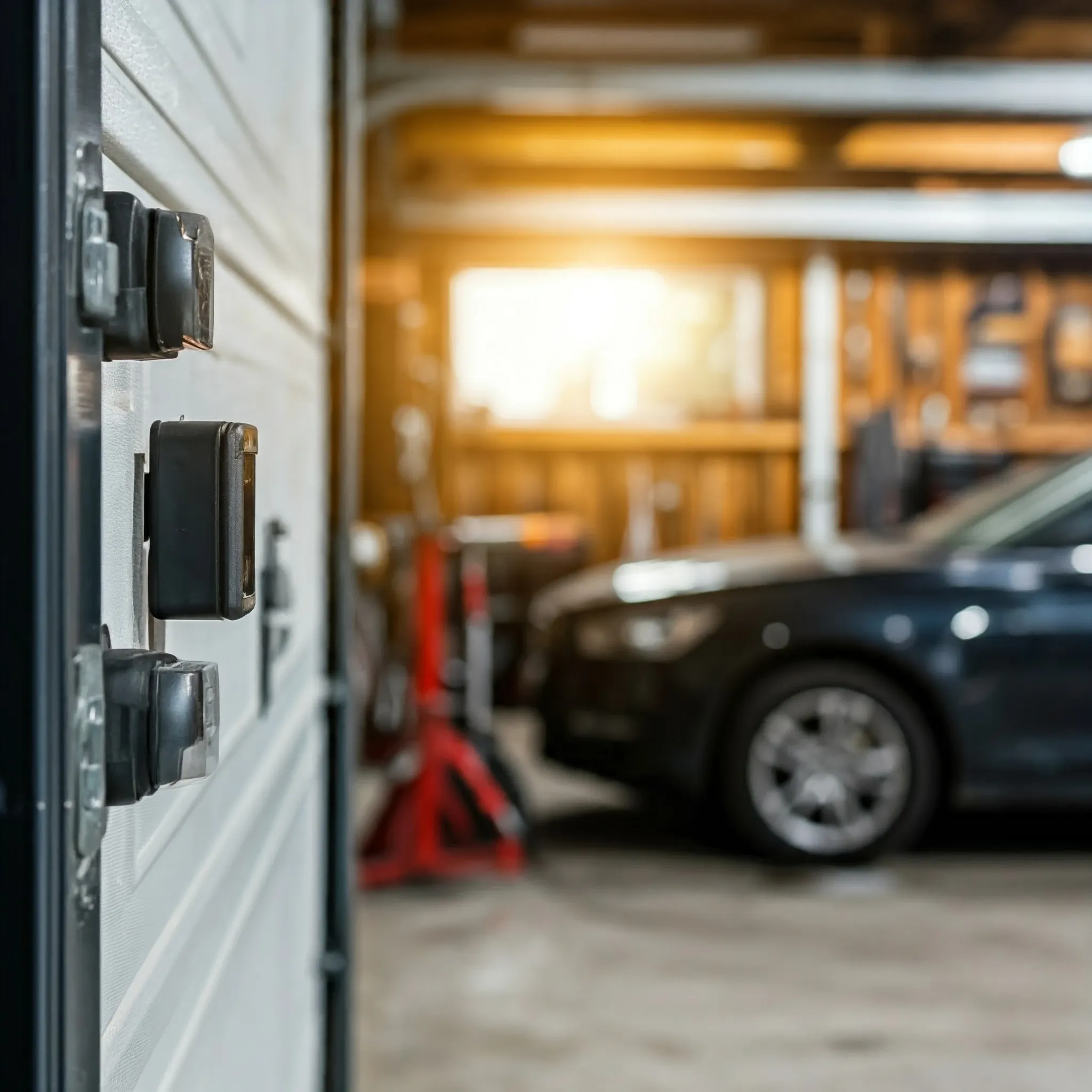
1. An Extra Set of Eyes: Garage door safety sensors serve as an additional safeguard. They detect anything in the way, whether it’s a pet, bike, or other object, and help prevent damage or injury. Installing them is especially beneficial if you use the garage as the main entrance.
2. Protecting Children and Pets: One of the main reasons for having garage door safety sensors is to protect loved ones. Kids or pets can wander into the path of a closing door without even realizing it. These sensors will stop the door and give you peace of mind that everyone is safe.
3. Better Visibility of Small Objects: Since safety sensors are near the ground, they help detect small objects that might otherwise go unseen. This prevents accidents with toys, tools, or anything else that might be near the door, helping prevent damage and costly fixes, like having to repair garage door cables or deal with misaligned tracks.
4. Enhanced Security: Adding a garage door alarm sensor provides extra protection. While the safety sensor keeps people and objects safe, the alarm sensor will alert you if someone tries to enter the garage without permission.
3. Better Visibility of Small Objects: Since safety sensors are near the ground, they help detect small objects that might otherwise go unseen. This prevents accidents with toys, tools, or anything else that might be near the door, helping prevent damage and costly fixes, like having to repair garage door cables or deal with misaligned tracks.
4. Enhanced Security: Adding a garage door alarm sensor provides extra protection. While the safety sensor keeps people and objects safe, the alarm sensor will alert you if someone tries to enter the garage without permission.
Maintaining and Troubleshooting Garage Door Safety Sensors
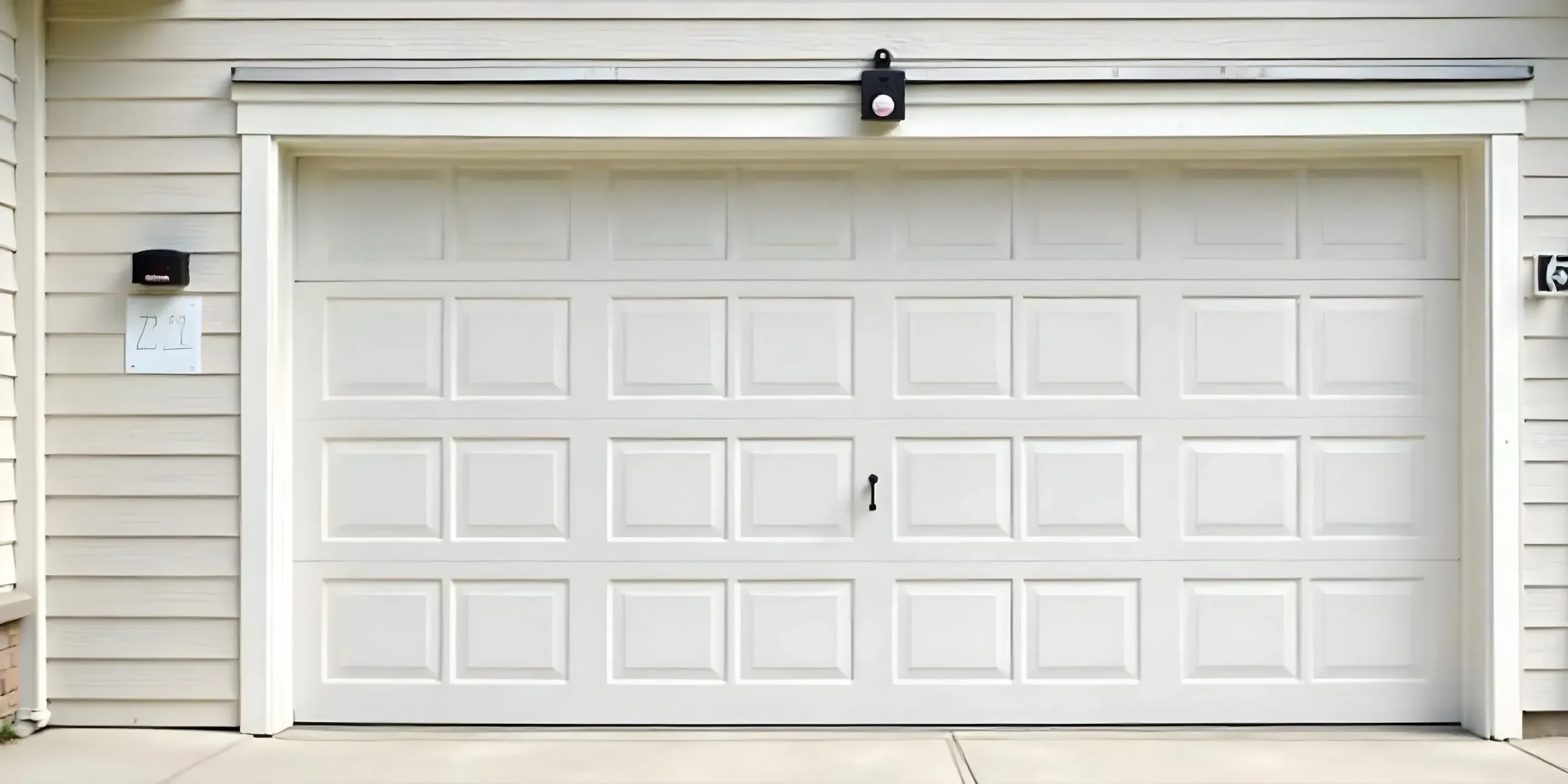
Installing garage door sensors is a smart step toward better security, but they’re only effective if you keep them in optimal condition. Regular maintenance keeps devices running reliably, and, fortunately, it’s simpler than it sounds. Start by checking for dirt or debris that could block the beam. Provide a quick clean if necessary.
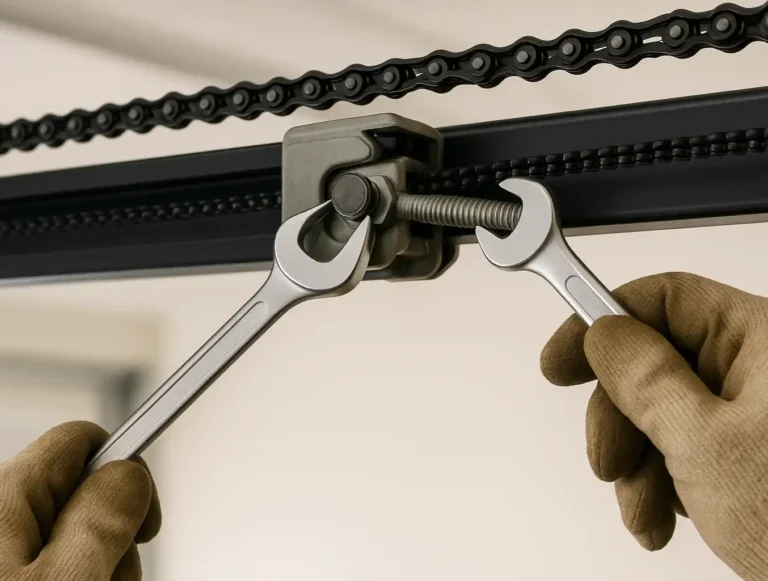
Proper alignment is also essential. If the door isn’t responding as expected, it could be due to misalignment. Adjust the sensors until the beam lines up, and things should run smoothly. It’s also a good idea to test your sensors occasionally. Place something in the door’s path; if it doesn’t stop and reverse, consider resetting it.
Proper alignment is also essential. If the door isn’t responding as expected, it could be due to misalignment. Adjust the sensors until the beam lines up, and things should run smoothly. It’s also a good idea to test your sensors occasionally. Place something in the door’s path; if it doesn’t stop and reverse, consider resetting it.
Sometimes, it’s best to call in a professional for sensor maintenance. If troubleshooting doesn’t fix the issue, a technician can help get things back on track. After all, the most important rule is to address issues promptly to prevent serious breakdowns and potential accidents.
Conclusion
In summary, door safety sensors are an essential part of a secure and functional garage. With consistent maintenance and occasional professional support, these devices will remain reliable for years, safeguarding your family and belongings. Whether you’re planning an upgrade or looking for ways to get the most out of your garage, safety sensors may be the answer. Contact 24-Hour Garage Door Services today to learn more about sensor installation, maintenance, and troubleshooting. Let’s make your garage a safer place together!
Frequently Asked Questions
How do garage door safety sensors actually work?
A garage door safety sensor projects an invisible beam across the doorway to detect anything in the path of a closing door. If something or someone breaks that beam, the sensor signals the door to stop and reverse so it won't hit anything. This provides an extra layer of protection to help prevent potential accidents and injuries.
What is the difference between a safety sensor and an alarm sensor?
The safety sensor keeps the door from closing on people or objects by detecting anything in its path. The alarm sensor, on the other hand, acts like a watchful guard that alerts you if there is unexpected movement or if someone tries to enter the garage without permission. Together, they protect your garage from both accidents and potential intruders.
Why are these sensors important for families with children or pets?
Kids or pets can wander into the path of a closing door without even realizing it. Garage door safety sensors will stop the door in these situations, giving you peace of mind that everyone is safe. Because the sensors are mounted near the ground, they also help detect small objects like toys that might otherwise go unseen.
How do I maintain and troubleshoot my safety sensors?
Start by checking for dirt or debris that could block the beam and give the sensors a quick clean if necessary. Proper alignment is also essential, so if the door isn't responding as expected, it could be due to misalignment. Adjust the sensors until the beam lines up correctly to restore reliable operation.